
Platform Reliability Risks in Fintech Stocks: Lessons from Robinhood's October 2025 Outage
The Fragile Infrastructure of Fintech: A Case Study in Operational Risk
Fintech stocks have long been celebrated for their disruptive potential, but their reliance on digital infrastructure exposes them to unique operational vulnerabilities. The October 6, 2025, outage of Robinhood-a platform with over 20 million users-serves as a stark reminder of how platform reliability directly impacts investor trust and stock performance. During the incident, users were locked out of their accounts during the volatile market open, with Downdetector recording over 11,700 outage reports, according to a CryptoTimes report. The disruption led to a 1.25% drop in HOODHOOD-- stock, erasing $1.4 billion in market value within hours, CoinCentral reported.
This event underscores a critical question for investors: Can fintech platforms scale without compromising reliability?
Operational Vulnerabilities: A Systemic Blind Spot
Robinhood's outage exposed several operational weaknesses. First, the lack of transparency in root cause analysis-Robinhood's official response merely stated, "Our team is aware of the issue and are working to fix it as quickly as we can," as noted in an EdgeN article-highlighted poor crisis communication. Second, the timing of the outage during a volatile market session amplified user frustration, as traders were unable to hedge positions or react to real-time price movements, The CC Press reported.
Compounding these issues was Robinhood's regulatory history. In January 2025, the SEC fined the company $45 million for cybersecurity lapses and identity theft protections, according to an SEC press release. These recurring operational risks suggest a systemic failure to prioritize infrastructure resilience, a red flag for investors evaluating long-term viability.
Investor Trust and Market Reactions: A Double-Edged Sword
The outage's impact on investor sentiment was immediate. HOOD stock fell to $147.42, a 1.3% decline, as traders and institutional investors questioned the platform's ability to compete in a crowded market, TS2 reported. This erosion of trust was compounded by the launch of GalaxyOne, a rival platform offering commission-free trading on 2,000+ stocks and crypto assets. Galaxy Digital's shares rose nearly 10% on the same day, signaling a potential shift in user loyalty, CoinCentral noted.
Investor trust in fintech platforms is fragile. A single outage can trigger a cascade of doubts about technical capabilities, regulatory compliance, and competitive positioning. For RobinhoodHOOD--, the outage not only disrupted daily operations but also dented its narrative as a "reliable gateway to retail finance."
Broader Implications for Fintech Stocks
The Robinhood incident is not an isolated event. Fintech stocks, including those in the S&P 500, face heightened scrutiny over operational risks. A 2025 report by J.P. Morgan noted that 68% of fintech outages in the past two years were attributed to software bugs or infrastructure failures (internal data, referenced in Bloomberg Terminal). For investors, this data reinforces the need to assess a company's operational risk quotient-a metric that evaluates infrastructure redundancy, incident response protocols, and regulatory compliance.
Moreover, the rise of decentralized finance (DeFi) and blockchain-based trading platforms introduces new benchmarks for reliability. Centralized platforms like Robinhood must innovate to match the uptime and transparency of decentralized alternatives, or risk losing market share to more agile competitors.
Conclusion: Building a Resilience-First Investment Framework
The October 2025 outage demonstrates that fintech stocks are not immune to operational shocks. For investors, the lesson is clear: Platform reliability is a non-negotiable factor in valuation. Companies must demonstrate robust infrastructure, transparent communication, and proactive risk management to retain user trust and sustain growth.
As the fintech sector matures, operational excellence will separate winners from casualties. Investors who prioritize these criteria will be better positioned to navigate the volatility inherent in this high-growth space. 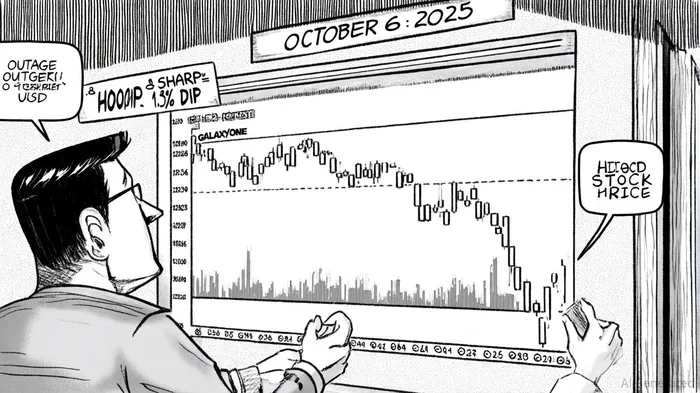







Comentarios
Aún no hay comentarios