
US Plans to Disrupt Iran's Oil Exports by Halting Vessels at Sea
Generado por agente de IACyrus Cole
jueves, 6 de marzo de 2025, 6:24 am ET1 min de lectura
SHIP--
The United States is considering a drastic measure to disrupt Iran's oil exports by halting vessels at sea. This plan, part of the Trump Administration's maximum pressure campaign, aims to further isolate Iran's petroleum sector, which funds its nuclear program, missile technology, and support for regional terrorist proxies. The move comes as Iran faces intensified competition with Russia and Venezuela for non-sanctioned tankers, with over 100 vessels previously used for Iranian oil shipments now blacklisted by the U.S.
The U.S. sanctions have already led to a significant drop in Iranian oil exports, from 1.76 million barrels per day (bpd) in November 2024 to about 1.5 million bpd. The reduction in available tankers and the buildup of floating storage have exacerbated supply chain disruptions, driving up global oil prices and prompting some refiners to seek alternative crude supplies. For instance, China’s November Iranian crude oil imports fell to a four-month low of 1.31 million barrels per day (Mbd), a sharp drop of 524 kbd m/m, due to reduced shipments from Iran and mounting shipping difficulties driven by tougher U.S. sanctions.
The geopolitical repercussions of this plan are far-reaching. China and India, major importers of Iranian crude, have shown caution in dealing with sanctioned tankers. The U.S. Office of Foreign Assets Control added four Indian companies to its latest list of entities sanctioned for their involvement in the international trade of Iranian crude oil. This action highlights the U.S.'s determination to target all aspects of Iran’s oil supply chain, as Secretary of the Treasury Scott Bessent stated: “The United States will use all our available tools to target all aspects of Iran’s oil supply chain, and anyone who deals in Iranian oil exposes themselves to significant sanctions risk.”
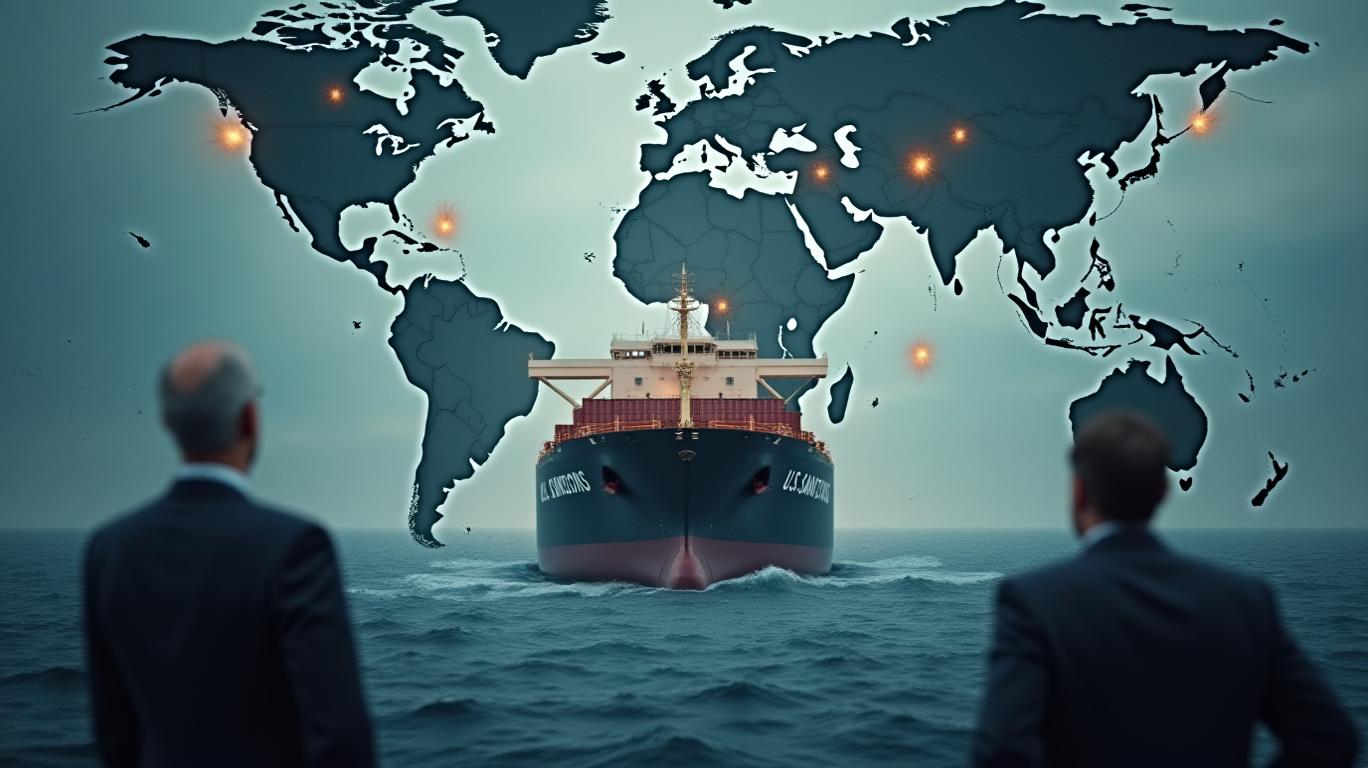
In response, Iran and its allies may adapt their strategies to circumvent these sanctions. They could increase the use of the "shadow fleet" of tankers, rely more on ship-to-ship (STS) transfers in international watersWAT--, diversify export routes, and invest in domestic refining capacity. These methods would help Iran to continue its oil exports despite the challenges posed by the sanctions. However, the long-term impact of these measures on global oil prices and supply chains remains uncertain, as the U.S. continues to impose additional costs on Iran's petroleum sector.
WAT--
The United States is considering a drastic measure to disrupt Iran's oil exports by halting vessels at sea. This plan, part of the Trump Administration's maximum pressure campaign, aims to further isolate Iran's petroleum sector, which funds its nuclear program, missile technology, and support for regional terrorist proxies. The move comes as Iran faces intensified competition with Russia and Venezuela for non-sanctioned tankers, with over 100 vessels previously used for Iranian oil shipments now blacklisted by the U.S.
The U.S. sanctions have already led to a significant drop in Iranian oil exports, from 1.76 million barrels per day (bpd) in November 2024 to about 1.5 million bpd. The reduction in available tankers and the buildup of floating storage have exacerbated supply chain disruptions, driving up global oil prices and prompting some refiners to seek alternative crude supplies. For instance, China’s November Iranian crude oil imports fell to a four-month low of 1.31 million barrels per day (Mbd), a sharp drop of 524 kbd m/m, due to reduced shipments from Iran and mounting shipping difficulties driven by tougher U.S. sanctions.
The geopolitical repercussions of this plan are far-reaching. China and India, major importers of Iranian crude, have shown caution in dealing with sanctioned tankers. The U.S. Office of Foreign Assets Control added four Indian companies to its latest list of entities sanctioned for their involvement in the international trade of Iranian crude oil. This action highlights the U.S.'s determination to target all aspects of Iran’s oil supply chain, as Secretary of the Treasury Scott Bessent stated: “The United States will use all our available tools to target all aspects of Iran’s oil supply chain, and anyone who deals in Iranian oil exposes themselves to significant sanctions risk.”
In response, Iran and its allies may adapt their strategies to circumvent these sanctions. They could increase the use of the "shadow fleet" of tankers, rely more on ship-to-ship (STS) transfers in international watersWAT--, diversify export routes, and invest in domestic refining capacity. These methods would help Iran to continue its oil exports despite the challenges posed by the sanctions. However, the long-term impact of these measures on global oil prices and supply chains remains uncertain, as the U.S. continues to impose additional costs on Iran's petroleum sector.

Divulgación editorial y transparencia de la IA: Ainvest News utiliza tecnología avanzada de Modelos de Lenguaje Largo (LLM) para sintetizar y analizar datos de mercado en tiempo real. Para garantizar los más altos estándares de integridad, cada artículo se somete a un riguroso proceso de verificación con participación humana.
Mientras la IA asiste en el procesamiento de datos y la redacción inicial, un miembro editorial profesional de Ainvest revisa, verifica y aprueba de forma independiente todo el contenido para garantizar su precisión y cumplimiento con los estándares editoriales de Ainvest Fintech Inc. Esta supervisión humana está diseñada para mitigar las alucinaciones de la IA y garantizar el contexto financiero.
Advertencia sobre inversiones: Este contenido se proporciona únicamente con fines informativos y no constituye asesoramiento profesional de inversión, legal o financiero. Los mercados conllevan riesgos inherentes. Se recomienda a los usuarios que realicen una investigación independiente o consulten a un asesor financiero certificado antes de tomar cualquier decisión. Ainvest Fintech Inc. se exime de toda responsabilidad por las acciones tomadas con base en esta información. ¿Encontró un error? Reportar un problema


SOBRE NOSOTROS
Nuestra historiaAutores de noticiasBase de conocimientosPolítica de privacidadTérmino de usoDescargo de responsabilidad de corretaje de tercerosTérminos de uso de AIMEDivulgaciones de riesgos de AInvest AICarrerasCONTÁCTENOS
Email: support@ainvest.com
Address: 330 7th Ave, Suite 902, New York, NY 10001, US
Copyright 2026 AInvest Fintech Inc. All rights reserved.


Comentarios
Aún no hay comentarios