
Ping An Bank's Green Transition Loan: Fueling Yulin Chemical's Clean Coal Initiative
Generado por agente de IACyrus Cole
miércoles, 22 de enero de 2025, 5:22 am ET2 min de lectura
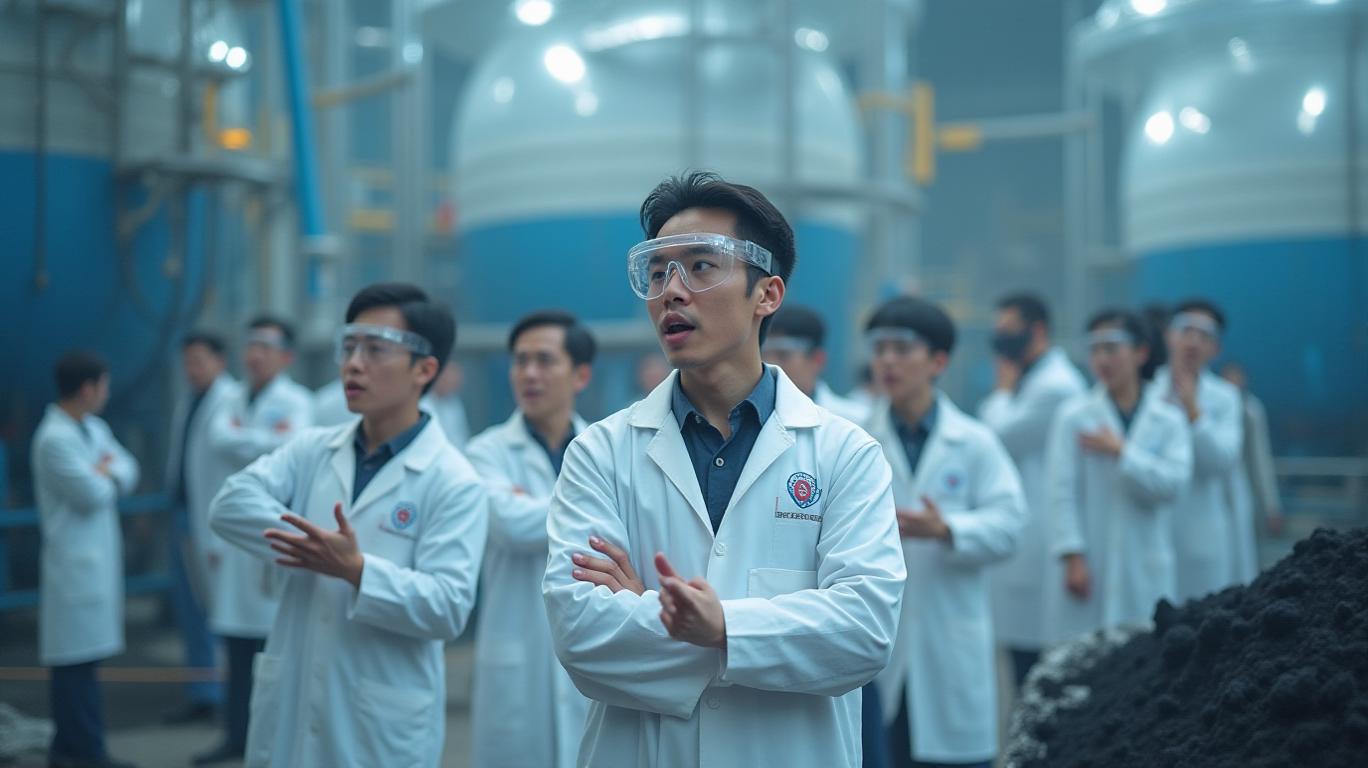
Ping An Bank, a subsidiary of Ping An Insurance Group (HKEX: 2318), has provided a RMB2.3 billion (USD 322 million) loan to Yulin Chemical to support its Coal Clean and Efficient Conversion Demonstration Project. This strategic investment aligns with China's "dual carbon" goals, aiming to peak carbon emissions by 2030 and achieve carbon neutrality before 2060. The project, listed in the National Development and Reform Commission's 2024 Catalogue, promotes cleaner and more efficient coal processing, contributing to China's low-carbon development goals.
The project employs advanced technologies to convert organic and inorganic sulfur into usable sulfur and repurpose slag, a byproduct of turning coal into a fuel gas, for building materials. This circular economy model maximizes resource use and minimizes environmental impact, embodying the principles of "reduce, reuse, and recycle." By implementing these technologies, the project reduces waste, reuses byproducts, and minimizes environmental impact, all while promoting sustainable development and aligning with China's low-carbon goals.
Since June 2022, Ping An Bank has provided a cumulative RMB3.44 billion (equivalent to USD 481.6 million) in loans to the project, demonstrating its commitment to supporting China's "dual carbon" goals and facilitating industrial upgrades in high-carbon sectors. This investment is part of Ping An Bank's green finance strategy, which focuses on transition finance to support projects with significant carbon reduction potential, particularly in sectors with high emissions or those facing challenges in direct emission reduction.
Ping An Bank's green finance business continues to grow, with green insurance premium income reaching RMB37.34 billion (equivalent to USD 5.2 billion) in the first three quarters of 2024. As of June 30, 2024, Ping An's green investment of insurance funds and green loan balance stood at RMB124.88 billion (equivalent to USD 17.5 billion) and RMB164.63 billion (equivalent to USD 23.0 billion), respectively. This growth reflects Ping An Bank's dedication to supporting a green transition and environmental upgrades in traditional sectors such as coal power, steel, and chemicals.
In light of China's "dual carbon" goals, high-carbon industries face significant pressure to transition to more sustainable practices. This transition presents a substantial funding gap, estimated to reach RMB487 trillion (equivalent to USD 68.2 trillion) over the next 30 years, an average of approximately RMB16 trillion (equivalent to USD 2.2 trillion) annually. Traditional high-carbon sectors, such as coal power, steel, and cement, often struggle to secure financing for these critical upgrades, despite having transition plans. Ping An Bank's green finance strategy, particularly its focus on transition finance, plays a crucial role in filling this funding gap and supporting the growth and sustainability of high-carbon industries in China.
By providing financing for industrial upgrades, Ping An Bank enables high-carbon industries to adopt cleaner technologies and reduce their environmental impact. This approach helps these industries enhance their long-term sustainability and adapt to the changing regulatory environment. Ping An Bank's commitment to supporting a green transition in traditional sectors, along with its integration of ESG factors in investment management, ensures that the projects and industries it supports are not only financially viable but also environmentally responsible and socially beneficial.
In conclusion, Ping An Bank's RMB2.3 billion loan to Yulin Chemical's Coal Clean and Efficient Conversion Demonstration Project aligns with China's "dual carbon" goals and supports the growth and sustainability of high-carbon industries in China. By focusing on transition finance and integrating ESG factors in investment management, Ping An Bank helps high-carbon industries become more sustainable and resilient in the long run.



Divulgación editorial y transparencia de la IA: Ainvest News utiliza tecnología avanzada de Modelos de Lenguaje Largo (LLM) para sintetizar y analizar datos de mercado en tiempo real. Para garantizar los más altos estándares de integridad, cada artículo se somete a un riguroso proceso de verificación con participación humana.
Mientras la IA asiste en el procesamiento de datos y la redacción inicial, un miembro editorial profesional de Ainvest revisa, verifica y aprueba de forma independiente todo el contenido para garantizar su precisión y cumplimiento con los estándares editoriales de Ainvest Fintech Inc. Esta supervisión humana está diseñada para mitigar las alucinaciones de la IA y garantizar el contexto financiero.
Advertencia sobre inversiones: Este contenido se proporciona únicamente con fines informativos y no constituye asesoramiento profesional de inversión, legal o financiero. Los mercados conllevan riesgos inherentes. Se recomienda a los usuarios que realicen una investigación independiente o consulten a un asesor financiero certificado antes de tomar cualquier decisión. Ainvest Fintech Inc. se exime de toda responsabilidad por las acciones tomadas con base en esta información. ¿Encontró un error? Reportar un problema


SOBRE NOSOTROS
Nuestra historiaAutores de noticiasBase de conocimientosPolítica de privacidadTérmino de usoDescargo de responsabilidad de corretaje de tercerosTérminos de uso de AIMEDivulgaciones de riesgos de AInvest AICarrerasCONTÁCTENOS
Email: support@ainvest.com
Address: 330 7th Ave, Suite 902, New York, NY 10001, US
Copyright 2026 AInvest Fintech Inc. All rights reserved.


Comentarios
Aún no hay comentarios