
Phillips Edison & Co's Q3 2025 Earnings: A Strategic Catalyst for Grocery-Anchored Real Estate Growth
Operational Metrics: A Foundation for Sustainable Growth
PECO's operational strength is evident in its occupancy rates and leasing performance. As of September 30, 2025, the company achieved a 97.6% leased portfolio occupancy rate and a 97.9% same-center occupancy rate, figures reported in the press release. These figures, among the highest in the sector, reflect the enduring appeal of grocery-anchored properties amid shifting retail dynamics. Furthermore, the company executed leases with an average rent spread of 23.5% for combined renewals and new leases, demonstrating its capacity to secure premium pricing in a competitive market, as detailed in that press release.
Acquisition activity also accelerated during the quarter, with $21.9 million in assets acquired, including two shopping centers and two land parcels, according to the press release. Post-quarter, PECOPECO-- added $74.2 million in assets, signaling a disciplined approach to capital allocation. This momentum aligns with the company's long-term strategy to expand its portfolio of high-traffic, necessity-driven properties.
Dividend Sustainability: Balancing Payouts and Growth
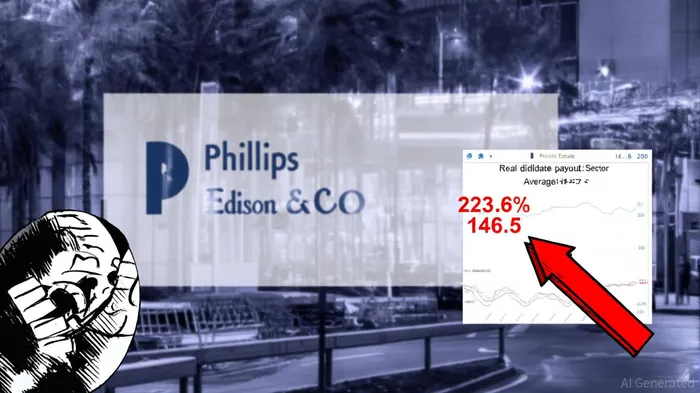
While PECO's operational metrics are robust, its dividend sustainability remains a critical area of focus. The company's dividend payout ratio of 223.6%-significantly higher than the Real Estate sector average of 146.5%-raises questions about its ability to maintain current distributions, as noted in the press release. This ratio, calculated using trailing earnings, contrasts with an alternative estimate of 50.43% for the current year, according to MarketBeat's dividend page.
Despite these concerns, PECO's 6.8% full-year FFO growth guidance provides a buffer for dividend coverage. The company's 3.57% yield, while attractive, must be weighed against its elevated payout ratio. Investors should monitor quarterly cash flow generation and the pace of asset acquisitions to assess whether the dividend remains viable in the long term, as discussed in the press release.
Strategic Positioning and Long-Term Outlook
PECO's focus on grocery-anchored real estate positions it to benefit from structural trends, including e-commerce complementarity and demographic-driven demand for essential services. The company's CEO, Jeff Edison, emphasized this advantage, noting the "favorable demand" for its asset class in the press release. With a 10.4% year-over-year revenue increase and a 10.2% rise in rental income, as noted in a Nasdaq article, PECO's financial performance reinforces its ability to fund both growth and shareholder returns.
However, the path forward requires careful management of leverage and a continued emphasis on high-quality acquisitions. The recent post-quarter asset purchases, totaling $74.2 million, suggest confidence in the company's underwriting capabilities. If executed prudently, these investments could enhance long-term equity value while supporting dividend sustainability.
Conclusion
Phillips Edison & Co's Q3 2025 results underscore its strengths in occupancy, leasing, and strategic acquisitions. While the company's elevated dividend payout ratio warrants caution, its robust FFO growth and sector-leading positioning in grocery-anchored real estate provide a compelling case for long-term investors. The key will be maintaining a balance between capital deployment and dividend discipline-a challenge that PECO appears well-equipped to navigate.





Comentarios
Aún no hay comentarios