
Philippines Says Easing Cycle Nearing End as Inflation Ticks Up
The Philippine government has revised its economic growth target for 2026, projecting expansion of 5% to 6%, down from the previous 6% to 7%. The move reflects the ongoing impact of a corruption scandal involving public works projects.
Economic Planning Secretary Arsenio Balisacan noted that the effects of the scandal will likely persist in early 2026, though with diminishing intensity. The slowdown has been attributed to tighter infrastructure spending and investor uncertainty.
President Ferdinand Marcos Jr. signed the 2026 budget into law, emphasizing his commitment to responsible fiscal management. The budget includes reduced funding for the Department of Public Works and Highways, which is at the center of the corruption controversy.
Why Did This Happen?
The Philippine economy grew between 4.8% and 5% in 2025, below the 5.5% to 6.5% target. A major factor was the corruption scandal that led to delayed infrastructure spending and eroded investor confidence.
Marcos has taken steps to address the issue, including reducing unprogrammed appropriations, which are often vulnerable to misuse. These measures aim to ensure taxpayer funds are spent responsibly and to restore trust in the government's fiscal policies according to Bloomberg.
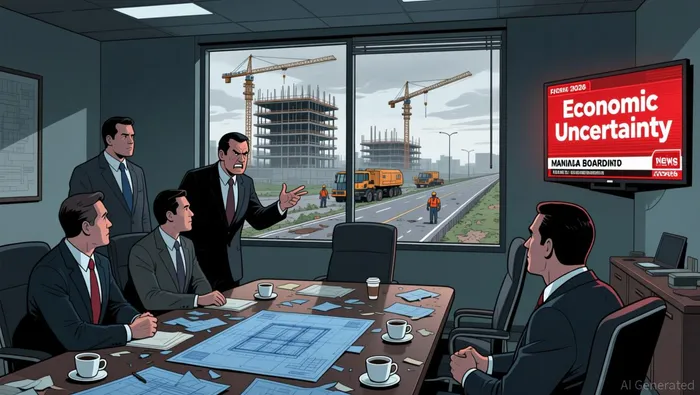
Investor sentiment has been affected by the scandal, with the peso reaching a record low of 59.26 in 2025. The government expects the currency to stabilize within the 58 to 60 range against the U.S. dollar in 2026.
The budget also allocates increased funds to education and healthcare, signaling a shift toward long-term development goals. These allocations are intended to support economic resilience and reduce reliance on infrastructure-driven growth according to business analysts.
How Did Markets React?
Despite the near-term challenges, Balisacan expressed optimism about a rebound in the second half of 2026. He cited expectations of benign inflation and increased consumer spending as potential drivers of economic recovery.
The government's focus on prudent spending and accountability will be key in restoring investor confidence. Marcos has pledged to enforce laws that prevent political interference in financial assistance distribution, further emphasizing fiscal discipline.
The revised growth targets reflect both domestic and global uncertainties. Analysts will be watching whether the measures taken to address corruption and improve governance can translate into sustained economic momentum.
With the budget now in place, the government's ability to implement its plans and meet revised growth targets will determine the path of the Philippine economy in 2026.







Comentarios
Aún no hay comentarios