
Philippines Cracks Down on Unlicensed Crypto Exchanges, Blocks Coinbase, Gemini
Philippines Takes Decisive Step in Crypto Crackdown
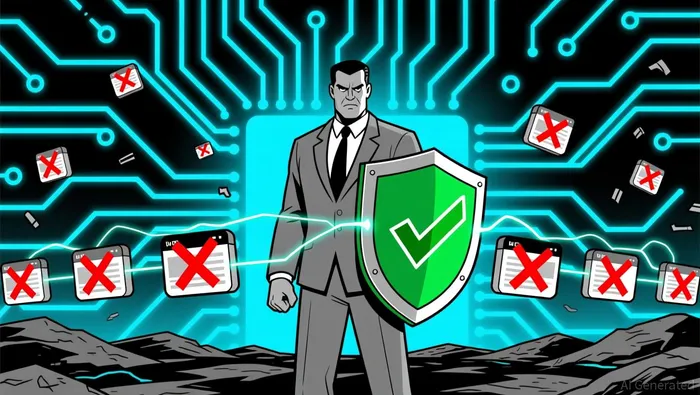
The Philippines has taken a decisive step in its growing regulatory crackdown on cryptocurrency, blocking access to major global exchanges including CoinbaseCOIN-- and Gemini. The move, enforced through internet service providers (ISPs), comes after a directive from the National Telecommunications Commission (NTC) targeting over 50 unlicensed platforms. The Bangko Sentral ng Pilipinas (BSP), the central bank, flagged these platforms for operating without proper authorization under local financial laws.
Users across the country have reported that Coinbase and Gemini are now inaccessible via major ISPs, confirming the implementation of the regulatory directive. The action follows a broader enforcement strategy that began with similar measures against Binance in 2024 as detailed in previous reports. Regulators have emphasized that the restrictions aim to protect consumers and ensure compliance with anti-money laundering (AML) and know-your-customer (KYC) standards.
The enforcement marks a shift from previous informal tolerance of international platforms to a strict compliance regime as regulators have stated. The BSP has been instrumental in identifying non-compliant exchanges and working with the NTC to execute ISP-level blocks. Over 50 platforms have been flagged, with 10 recently identified by the Securities and Exchange Commission (SEC), including OKX and Bybit.
Why the Standoff Happened
The blocking of Coinbase and Gemini is rooted in local regulations that require all virtual asset service providers (VASPs) to register with the BSP. The central bank has updated its regulatory framework to ensure that only licensed entities can offer cryptocurrency services as part of a broader initiative. The move is part of a larger initiative to combat illicit financial activities such as fraud and money laundering, which regulators say have increased with the rise of unregulated crypto platforms.
Under the Manual of Regulations for Non-bank Financial Institutions and BSP Circular No. 1206, virtual asset service providers must meet stringent operational and compliance standards as required by the central bank. Failure to comply results in swift action, as demonstrated by the recent restrictions. The enforcement has also been supported by the SEC, which clarified it could not assist users in retrieving funds from unlicensed exchanges.
How Markets Reacted
The restrictions have had a tangible impact on user access to global crypto exchanges, with some facing login or withdrawal issues. ISPs such as PLDT and Smart have implemented the blocks, leading to disruptions for users attempting to access platforms like OKX, MEXC, and Kraken. The move has also drawn public reaction, with some users calling for clearer regulation rather than outright bans and urging for blockchain development under government oversight.
Despite the crackdown, licensed local exchanges are expanding their services to meet demand. PDAX and GoTyme have launched new crypto offerings, such as stablecoin-based payroll systems and crypto trading within banking apps. These initiatives are seen as a way to bridge traditional finance with blockchain technology while ensuring compliance with local laws.
What Analysts Are Watching
Financial experts have praised the government's efforts to regulate the crypto space, noting that compliance fosters innovation and consumer trust. The Philippine crypto market is now dominated by licensed VASPs, which handle around 70% of domestic transactions. Analysts suggest that the regulatory environment is striking a balance between innovation and protection, requiring platforms to maintain capital reserves and report suspicious activities.
The crackdown has also had a broader effect on market stability. Data from the Anti-Money Laundering Council (AMLC) shows a 15% drop in suspicious crypto transactions in 2024 compared to the previous year. However, some industry observers caution that the restrictions may push users to less secure or offshore platforms, undermining the goal of consumer protection.
As the sector continues to evolve, regulators are expected to maintain a firm stance on licensing and compliance. The focus is on creating a secure and transparent market for digital assets, ensuring that Filipino users benefit from crypto's potential without the risks of unregulated markets as officials have emphasized.





Comentarios
Aún no hay comentarios