
Philippine Automotive Market: Pivoting to Profit in Commercial Vehicles and Electrification
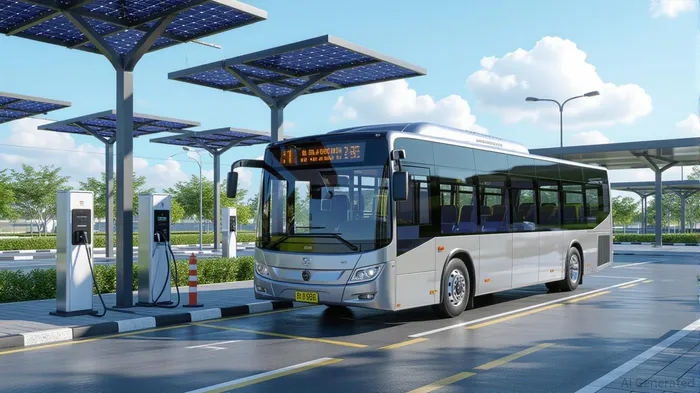
The Philippine automotive market is at a crossroads. While passenger car sales have stumbled under the weight of high interest rates, cautious consumer spending, and a challenging economic environment, a more resilient story is unfolding in commercial vehicles and electrified models. For investors, this divergence presents a golden opportunity: to sidestep the headwinds of the passenger segment and capitalize on the sectors poised to redefine the industry.
The Passenger Car Doldrums: A Cautionary Tale
Let's start with the bad news. Passenger car sales in the Philippines have cratered in 2025, with a 24% year-on-year decline in the first seven months of the year. April's 35.5% drop to just 6,498 units is the steepest slump since early 2022. Why? A perfect storm of factors: tighter loan conditions, fewer selling days due to holidays, and a high base effect from last year's robust performance. Even with the central bank's aggressive rate cuts (now at 5.25%), consumer confidence remains fragile.
But here's the twist: this isn't a death knell for the industry. It's a signal to pivot.
Commercial Vehicles: The Unsung Growth Engine
While passenger cars are struggling, commercial vehicles are powering ahead. In July 2025, commercial vehicle sales rose 11% year-on-year to 215,440 units, with light commercial vehicles (LCVs) up 3.2% and heavy-duty trucks surging 134.7%. For the first four months of the year, commercial sales grew 10.3%, outpacing the overall market's 2.5% gain.
This resilience is no accident. The Philippine economy's 5.5% Q2 growth and infrastructure spending are fueling demand for logistics and transport. Toyota MotorTM-- Philippines and Mitsubishi Motors are leading the charge, with Toyota's 47.74% market share and a 6.4% sales increase. Investors should take note: companies with a strong commercial vehicle footprint are better positioned to weather macroeconomic volatility.
Electrification: The Long Game
Now, let's talk about the future. Electrified vehicles are no longer a niche—they're a growth imperative. In April 2025, EV sales hit 1,509 units, with four-month totals reaching 6,820 units (5.69% market share). Hybrids dominate this segment (5,744 units), but battery electric vehicles (BEVs) and plug-in hybrids (PHEVs) are gaining traction. Nissan's 409 BEV sales and Tesla's 396 units in the Philippines highlight the competitive landscape.
The government's EO12 zero-tariff policy, which extends tax breaks for hybrids and EVs until 2028, is a game-changer. Combine that with lower interest rates, and you have a recipe for sustained growth. For investors, this means doubling down on companies with electrification roadmaps. Toyota's hybrid dominance and Tesla's aggressive expansion in Southeast Asia are two clear plays.
Strategic Moves for Investors
So, where should your money go?
- Commercial Vehicle Leaders: ToyotaTM-- and Mitsubishi are the obvious choices. Their market share, coupled with the tailwinds of infrastructure spending, makes them resilient plays.
- Electrification Pioneers: Nissan and TeslaTSLA-- are leading the charge in BEVs. For a more diversified bet, consider companies like HondaHMC--, which is scaling up hybrid production.
- Policy-Driven Opportunities: The EO12 program is a long-term catalyst. Look for suppliers and battery manufacturers that benefit from this policy tailwind.
But don't ignore the risks. The passenger car sector's decline could linger if economic conditions worsen. Stick to sectors with clear growth drivers—commercial vehicles and electrification—and avoid overexposure to struggling passenger car brands.
The Bottom Line
The Philippine automotive market is a microcosm of a broader trend: adapt or die. While passenger cars are in retreat, commercial vehicles and electrified models are charting a path forward. For investors, the key is to align with the sectors that are not just surviving but thriving.
As the year progresses, keep a close eye on CAMPI's full-year sales forecast (500,000 units) and the rollout of new EV models. The road ahead may be bumpy, but the destination is clear. It's time to shift gears and invest with the future in mind.





Comentarios
Aún no hay comentarios