
Pharma Giants at a Crossroads: Navigating Pricing Reforms and Geopolitical Risks for Long-Term Gains
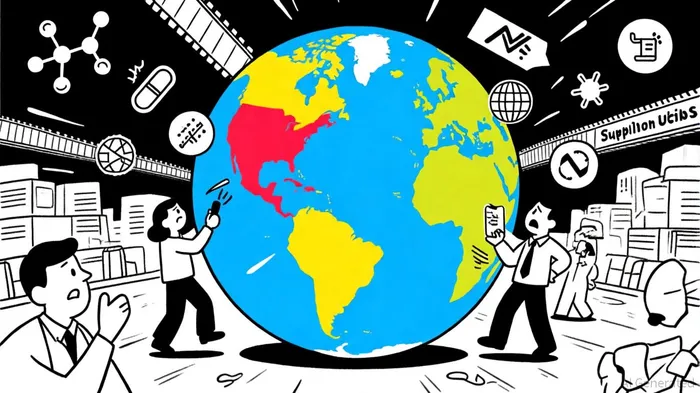
The pharmaceutical industry is facing a seismic shift as governments worldwide crack down on drug pricing, impose tariffs, and redefine market access rules. For global pharma giants, the stakes are high: short-term profitability is under siege, but long-term opportunities lie in adapting to a new era of value-based innovation. Let's break down the risks and rewards.
U.S. Reforms: A Double-Edged Sword
The U.S. has taken center stage in reshaping drug pricing. Medicare negotiations, inflation-linked price caps, and transparency mandates are slashing profit margins for Big Pharma. According to a report by PharmaFocus America, these reforms have directly challenged traditional pricing models, forcing companies to cut R&D budgets or absorb losses[1]. Compounding the pressure, 2025 pharmaceutical tariffs—capped at 15% after initial 250% proposals—have spiked costs for imported raw materials and finished drugs[2].
The response? Reshoring production and diversifying supply chains. However, these moves come with risks: increased costs could lead to drug shortages, while generic manufacturers—already squeezed—may struggle to compete. Patients may benefit from lower prices, but there's a danger of delayed access to breakthrough therapies or reduced investment in unprofitable but critical areas like antibiotics[1].
EU Reforms: Shorter Exclusivity, Sharper Competition
The EU's 2025 Pharmaceutical Package is a game-changer. By reducing market exclusivity from two to one year (with limited extensions) and expanding Bolar exemptions for generics, the bloc is accelerating price erosion for innovators[2]. The total exclusivity period now stands at nine years instead of ten, raising concerns about innovation incentives.
Yet, the reforms also create opportunities. The transferable exclusivity voucher for antimicrobials and the Global Orphan Marketing Authorization rule aim to balance affordability with R&D incentives[2]. Companies must now prioritize cross-border collaborations and outcomes-based pricing models to offset shorter monopolies. For investors, firms that master value-based contracts and regional launch strategies will outperform.
Asia's Rise: China's NRDL and the Innovation Gambit
Asia, particularly China, is redefining the pharma landscape. The National Healthcare Security Administration's (NHSA) 2024 NRDL negotiations added 38 “globally new” drugs to its catalog, signaling a shift toward rewarding first-in-class innovation[1]. China's share of the global drug development pipeline has surged from 3% in 2013 to 28% in 2023, making it a critical market[1].
However, affordability remains a priority. The NHSA's budget impact assessments and integration with commercial insurance (e.g., the Huiminbao catalog) ensure that even innovative drugs are priced to fit China's cost-conscious system[1]. For global players, success here requires balancing premium pricing for breakthroughs with compliance in a highly regulated environment.
Geopolitical Risks vs. Long-Term Profitability
The combined impact of U.S. tariffs, EU exclusivity cuts, and China's innovation-driven pricing creates a volatile landscape. Short-term risks include margin compression, supply chain bottlenecks, and reduced R&D spending. Yet, long-term gains await companies that pivot to value-based models, embrace regional manufacturing, and prioritize first-in-class innovation.
Investment Implications
For investors, the key is to identify firms that are ahead of the curve. Look for companies:
1. Reshoring production to mitigate tariff risks (e.g., PfizerPFE--, Merck).
2. Leveraging value-based contracts in the EU (e.g., NovartisNVS--, Roche).
3. Expanding R&D in China's innovation hubs (e.g., AstraZenecaAZN--, Sanofi).
Conversely, avoid firms overly reliant on narrow-margin generics or slow to adapt to regional pricing pressures. The pharma giants that thrive will be those that treat regulatory challenges as catalysts for reinvention.





Comentarios
Aún no hay comentarios