
PG&E's Strategic Philanthropy in Food Insecurity: A Model for Long-Term Value Creation in the Energy Sector
In an energy sector increasingly scrutinized for its environmental and social impacts, corporate social responsibility (CSR) has evolved from a peripheral activity to a strategic imperative. For utilities like Pacific Gas and Electric (PG&E), addressing systemic challenges such as food insecurity is not merely an act of charity but a calculated move to align with long-term value creation and risk management. PG&E's 2025 initiatives in this domain-spanning $1.12 million in donations to food banks, emergency preparedness partnerships, and equity-focused grant allocations-demonstrate how targeted CSR can fortify brand resilience, deepen community trust, and cultivate regulatory goodwill. These efforts position PG&E as a compelling investment amid sector-wide volatility.
Strategic Philanthropy as Risk Mitigation
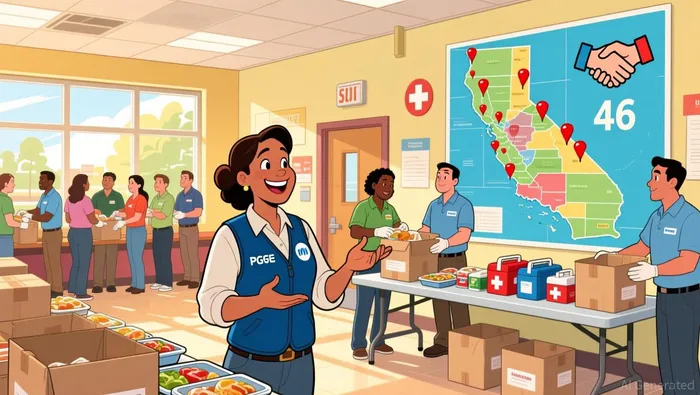
PG&E's approach to food insecurity mitigation is rooted in addressing both immediate needs and systemic vulnerabilities. According to a report by the PG&E Corporation Foundation, the company allocated $1.12 million in 2025 to support over 50 food distribution organizations, providing approximately 3.13 million meals for individuals and families in need across 46 counties in Northern and Central California. This funding is particularly critical amid federal cuts to SNAP (CalFresh) and other essential programs, which have strained local food banks. By proactively addressing these gaps, PG&E reduces the risk of regulatory backlash or public scrutiny that could arise from inaction in a sector already under pressure to demonstrate social accountability.
Moreover, PG&E's partnerships with 25 local food banks in high fire-risk areas to ensure food availability during Public Safety Power Shutoff (PSPS) events exemplify its integration of CSR with operational risk management. These agreements guarantee food replacement during and up to three days after outages, safeguarding vulnerable populations while reinforcing the company's role as a community stabilizer. Such measures mitigate reputational risks tied to PSPS events, which have historically drawn criticism for their disruptive impact.
Equity-Driven Philanthropy and Community Trust
PG&E's CSR strategy emphasizes equity, with grant allocations weighted by county poverty and unemployment levels using the California Department of Social Services' formula. This data-driven approach ensures that higher-need communities receive proportionate support, fostering goodwill in regions where PG&E's operations are most visible. For instance, tribal food banks and senior meal programs-often overlooked in broader philanthropy-have received targeted funding, aligning with the company's commitment to social equity.
Community trust, a critical asset for utilities navigating regulatory and environmental challenges, is further bolstered by PG&E's employee engagement. In 2024, coworkers volunteered over 43,000 hours and contributed nearly $3 million in personal donations to food insecurity initiatives. This grassroots involvement humanizes the company, transforming it from a corporate entity into a collaborative partner in community resilience.
Regulatory Goodwill and Investor Confidence
Regulatory scrutiny remains a persistent risk for energy companies, particularly those with a history of operational controversies. PG&E's 2025 Corporate Sustainability Report underscores how its food insecurity initiatives align with broader regulatory expectations for utilities to contribute to public welfare. By addressing food insecurity-a pressing issue exacerbated by climate-related disruptions-PG&E signals its commitment to societal challenges that regulators increasingly prioritize.
Investor confidence is similarly reinforced by these efforts. PG&E's 2025 earnings guidance, which includes a non-GAAP core earnings range of $1.48 to $1.52 per share, reflects financial stability amid sector volatility. The company's ability to balance profitability with CSR-such as its $31.9 million in charitable contributions in 2025-demonstrates a mature approach to stakeholder capitalism. Investors, particularly those prioritizing ESG criteria, are likely to view these initiatives as a hedge against long-term risks, including regulatory penalties or community resistance to infrastructure projects.
Conclusion: A Blueprint for Energy Sector Resilience
PG&E's food insecurity mitigation efforts illustrate how strategic philanthropy can transcend short-term altruism to become a cornerstone of corporate strategy. By addressing immediate needs, embedding equity into grantmaking, and aligning with regulatory priorities, PG&E not only strengthens its brand but also insulates itself from risks that could erode shareholder value. In a sector where public perception and regulatory approval are as critical as operational efficiency, PG&E's model offers a compelling case for how CSR can drive sustainable growth. For investors, this represents a rare alignment of ethical imperatives and financial prudence-a rare but invaluable asset in today's volatile energy landscape.







Comentarios
Aún no hay comentarios