
PG&E's 2024 Tax Asset Write-Down: A Setback in a Turbulent Energy Landscape
PG&E Corporation’s 2024 financial results revealed a stark reality for the utility giant: a $143 million post-tax loss stemming from a tax asset write-down, compounded by regulatory headwinds, wildfire liabilities, and investor skepticism. While the company reported modest earnings growth, the tax-related stumble underscores the precarious balancing act utilities face between operational progress and systemic risks.
The Tax Asset Write-Down: A Regulatory Quagmire
At the heart of PG&E’s 2024 struggles was a $143 million post-tax write-down tied to IRS disallowances of deductions for historical costs. Two factors drove this loss:
1. San Bruno Gas Explosion Costs: The IRS rejected $70 million in deductions for expenses related to the 2010 gas explosion, citing revised tax policies.
2. Natural Gas Safe Harbor Method Changes: A 2023 IRS revenue procedure altered tax treatment for safety investments, forcing PG&E to write down $213 million pre-tax in deferred tax assets.
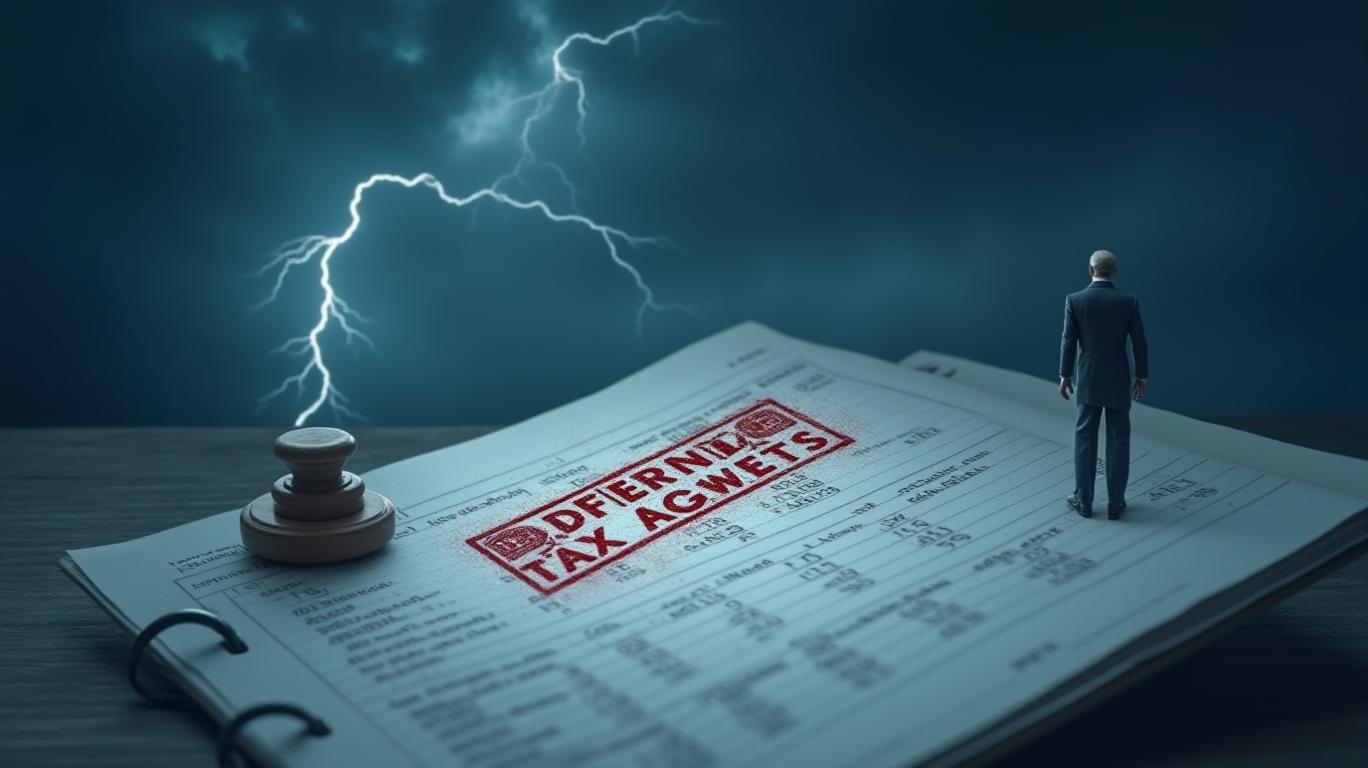
The write-down, classified as a non-core item, highlights the regulatory uncertainty utilities face. While PG&E’s management framed this as a one-time adjustment, the broader message is clear: legacy liabilities and shifting tax policies can destabilize even cost-conscious utilities.
Financial Performance: Cost Cuts Offset by Revenue Misses
PG&E’s 2024 results were a mixed bag. The company exceeded Q1 earnings estimates (37 cents vs. 35 cents per share), driven by a 17% drop in operating expenses and a $45 million Dixie wildfire settlement. However, full-year revenue fell short of expectations ($24.42 billion vs. $24.74 billion), signaling top-line pressures.
Operating cash flow surged to $8.0 billion, up from $4.7 billion in 2023, thanks to cost-saving initiatives like $200 million in non-fuel O&M savings. Yet net income from continuous operations remained constrained at $615 million, with expenses outpacing operating revenue ($7.59 billion vs. $5.94 billion).
Market Reaction: Skepticism Over Storm Clouds
Investors punished PG&E’s stock, sending shares down 3.44% to $15.29 on February 14, 2025. The sell-off reflected concerns about:
- Debt Burden: A debt-to-equity ratio of 2.24 raised liquidity fears, even as the P/E ratio of 11.74 suggested undervaluation relative to peers.
- Regulatory Risks: PG&E’s request for an 11.3% return on equity (ROE) highlighted perceived risks in infrastructure projects.
- Wildfire Fund Uncertainty: With California’s wildfire fund nearing depletion, PG&E warned of higher customer rates or investor demands for risk premiums.
Regulatory and Operational Crosscurrents
PG&E faces a complex landscape of challenges:
1. Wildfire Mitigation: While achieving zero major wildfires caused by its equipment in 2024, the company remains exposed to systemic risks. Southern California’s $54 billion wildfire damages in 2024 spooked investors, driving up PG&E’s borrowing costs.
2. Grid Modernization Costs: A $63 billion capital plan through 2028 hinges on securing a $15 billion DOE loan guarantee. Without it, customers could face annual rate hikes of $100 million+, risking affordability and political backlash.
3. Federal Policy Uncertainty: Tariffs on Canadian, Chinese, and Mexican imports threaten supply chain costs, while climate policies complicate grid upgrades.
Outlook: Navigating the Storm
PG&E’s 2025 guidance hints at cautious optimism:
- Earnings: Non-GAAP core EPS raised to $1.48–$1.52, up from 2024’s $1.36.
- Growth: 1–3% annual power demand growth through 2045, fueled by California’s clean energy transition.
However, risks loom large. The DOE loan’s uncertain fate, wildfire fund depletion, and a 20.1% EBIT margin strained by $7.59 billion in total expenses leave little room for error.
Conclusion: A Fragile Path to Recovery
PG&E’s 2024 loss serves as a stark reminder of the utility sector’s vulnerability to regulatory shifts, legacy liabilities, and macroeconomic pressures. While cost discipline and safety milestones provide a foundation, the stock’s 3.44% decline and debt-to-equity ratio of 2.24 reflect investor wariness.
To regain confidence, PG&E must:
1. Secure the $15 billion DOE loan to fund grid upgrades without overburdening customers.
2. Resolve wildfire fund uncertainties to stabilize borrowing costs.
3. Demonstrate consistent top-line growth amid rising expenses.
Until then, PG&E remains a bet on California’s clean energy future—weighed down by the storms of its past.








Comentarios
Aún no hay comentarios