
Perpetua Resources' Stibnite Gold Project: A Strategic Bet on U.S. Mineral Independence
The White House’s designation of Perpetua Resources’ Stibnite Gold Project as a Transparency Project under President Trump’s 2025 Executive Order marks a pivotal moment for U.S. critical mineral security. With China’s ban on antimony exports to the U.S., this Idaho-based project has become a linchpin in the nation’s efforts to reduce reliance on foreign supply chains. Here’s why investors should pay close attention to its progress—and its risks.
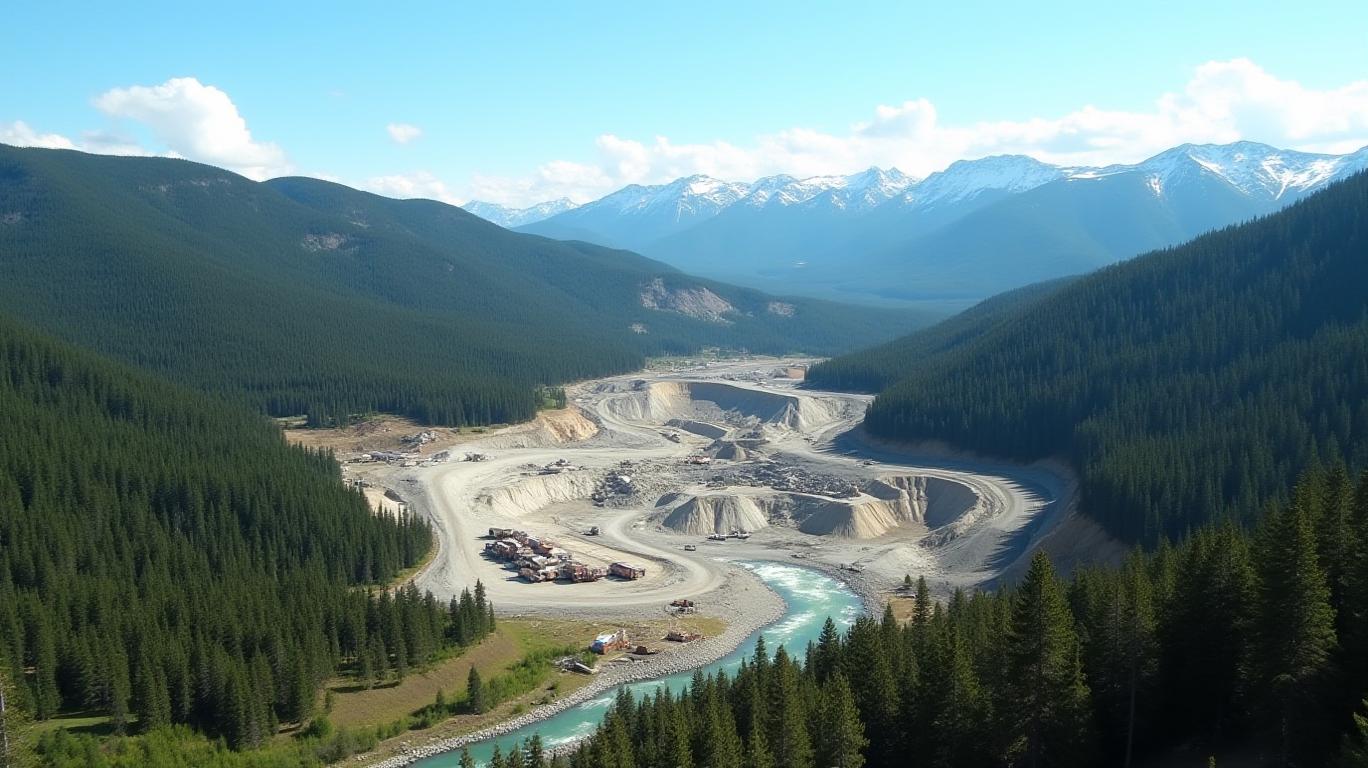
Strategic Importance: Antimony’s Critical Role
Antimony is a mineral vital for defense (munitions, small arms), advanced energy storage (lithium-ion batteries), and flame-retardant materials. The U.S. currently lacks domestic production of this critical mineral, with China historically supplying over 80% of its needs. Perpetua’s Stibnite Gold Project is the only U.S. source of antimony, capable of meeting up to 35% of national demand during its first six years of production, according to the U.S. Geological Survey. With China’s export ban now in effect, the project’s success could alleviate a major vulnerability in U.S. supply chains.
Project Details and Timeline
The Stibnite Gold Project is nearing key regulatory milestones. The U.S. Forest Service issued a Final Record of Decision (ROD) in January 2025, clearing major environmental hurdles. The final permit—a Clean Water Act 404 permit from the U.S. Army Corps of Engineers—is expected by Q2 2025, which would greenlight construction. Once operational, the project will produce 450,000 ounces of gold annually alongside antimony, creating a dual revenue stream to ensure financial stability.
Note: Perpetua ResourcesPPTA-- is listed on the TSX as PERP. Investors should monitor its stock for permit approvals and funding updates.
Federal Backing and Funding
The project has secured $75 million in Defense Production Act (DPA) Title III awards from the Department of Defense, aimed at accelerating construction and permitting. Additionally, the U.S. Export-Import Bank (EXIM) provided a $1.8 billion Letter of Interest (LOI) for financing, though this remains conditional on final regulatory approvals. These funds underscore the U.S. government’s commitment to fast-tracking projects critical to national security.
Environmental and Economic Benefits
Beyond its mineral production goals, the Stibnite Gold Project prioritizes environmental remediation. It will restore 12 miles of salmon-spawning habitats in the East Fork South Fork Salmon River, address legacy contamination from abandoned mines, and create hundreds of family-wage jobs in rural Idaho. The project’s energy grid—relying on Idaho’s low-carbon electricity—aligns with ESG principles, while a partnership with Ambri, a U.S. battery firm, ensures antimony supply for low-carbon energy infrastructure.
Risks and Challenges
Despite its strategic importance, the project faces hurdles:
1. Permitting Delays: The Clean Water Act permit could face legal challenges, particularly from environmental groups or Indigenous communities, such as the Nez Perce Tribe, which has raised concerns about salmon habitats.
2. Financing Risks: While EXIM’s LOI is encouraging, final funding hinges on due diligence and market conditions. The project’s estimated $1.3 billion cost, inflated by post-pandemic prices, may strain Perpetua’s balance sheet.
3. Operational Uncertainty: Antimony markets are volatile, and global competition from China remains a threat.
Conclusion: A High-Reward, High-Risk Play
The Stibnite Gold Project is a strategic investment for those betting on U.S. critical mineral independence. Its designation as a Transparency Project and federal funding signal strong government support, while its antimony reserves and environmental remediation commitments offer long-term value. However, investors must weigh these advantages against regulatory, financial, and market risks.
Key Data Points to Watch:
- Q2 2025: Army Corps of Engineers’ Clean Water Act permit decision.
- $1.8 billion EXIM Loan: Final approval timeline and terms.
- Antimony Market Dynamics: Post-China-ban demand trends and global pricing.
If Perpetua secures permits and financing, the Stibnite Gold Project could become a cornerstone of U.S. supply chain resilience, rewarding investors with exposure to a mineral in high global demand. The stakes are high, but so are the rewards—a classic risk-reward scenario in the critical minerals race.





Comentarios
Aún no hay comentarios