
PepsiCo: A Dividend Aristocrat Delivering Stability Amid Volatility
The market's current obsession with high-growth tech and speculative bets has left a category of steady performers undervalued: dividend aristocrats. Among them, PepsiCoPEP-- (PEP) stands out with a robust 4.4% dividend yield, a 53-year streak of annual increases, and a fortress balance sheet. This article explores why PEP offers a compelling mix of income security and undervaluation, despite near-term headwinds.
Dividend Sustainability: A 53-Year Proven Track Record
PepsiCo's dividend aristocrat status is no accident. The June 2025 dividend increase to $5.69 annually (up 5% from 2024) underscores its commitment to shareholders. With a dividend payout ratio of just 58% (well below the 70% threshold considered risky), PEP has ample room to sustain growth. Historically, its dividend CAGR of 9.28% since 2023 highlights a pattern of disciplined capital allocation.
The company's dividend safety is further bolstered by its $11.5 billion in annual free cash flow, which has grown steadily even amid inflationary pressures. This cash engine allows PEP to fund dividends, repurchases, and reinvestment without overleveraging.
Wide Economic Moat: Brands, Scale, and Resilience
PepsiCo's economic moat is built on three pillars:
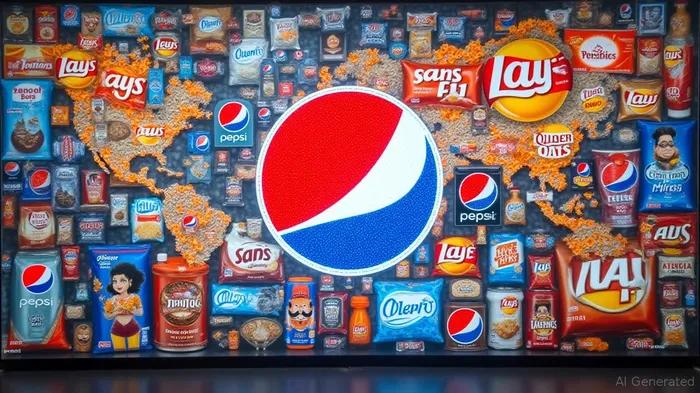
1. Brands with Global Reach: Its portfolio spans 23 billion-dollar brands, including PepsiPEP--, Gatorade, and Quaker, which dominate diverse categories from beverages to snacks. These brands thrive in both mature and emerging markets.
2. Operational Excellence: Vertical integration, efficient supply chains, and pricing power enable PEP to navigate inflation. The company's Q1 2025 results showed a 5% organic revenue growth, driven by price hikes offsetting input costs.
3. Portfolio Diversification: A balanced mix of beverages (52% of revenue) and snacks (48%) provides stability. Snacks, particularly healthier options like Quaker and Naked juices, are outperforming, aligning with shifting consumer preferences.
Valuation: An Undervalued Income Machine
At a forward P/E of 18.5 (below its five-year average of 21), PEP trades at a discount despite its high-quality earnings. Analysts estimate a 9% upside to the stock price, suggesting the market has yet to fully appreciate its value. The dividend yield of 4.4%—well above the S&P 500's 1.5%—offers a compelling risk-reward trade-off.
Risks and Mitigants
No investment is without risk. Key concerns include:
- Supply Chain Costs: Rising input prices could squeeze margins. However, PEP's pricing discipline and scale limit this risk.
- Consumer Shifts: Health trends threaten sugary beverages, but PEP's push into healthier snacks and beverages (e.g., Bubly sparkling water, GoodFor brands) is a proactive hedge.
Investment Thesis: A Defensive Core Position
PepsiCo's combination of dividend sustainability, wide moat, and undervaluation makes it a standout choice for income-focused investors. Even in a slowing economy, its recession-resistant brands and global diversification provide ballast.
Actionable Takeaway:
- Income Seekers: Consider PEP as a core holding for steady dividends and capital appreciation.
- Dividend Growth Investors: The stock's 53-year growth streak and conservative payout ratio suggest room for further increases.
- Risk Management: Pair PEP with higher-growth equities to balance portfolios.
In a market skewed toward volatility and speculation, PepsiCo exemplifies the power of compounding returns through dividends and brand strength. For investors prioritizing safety and income, PEP remains a rare blend of stability and opportunity.





Comentarios
Aún no hay comentarios