
PepeNode: A Game-Changer in the Memecoin Ecosystem for Institutional Investors
The memecoinMEME-- landscape of 2025 has evolved beyond viral memes and speculative hype, with projects like PepeNode (PEPENODE) redefining utility through gamified mechanics and deflationary tokenomics. For institutional investors seeking strategic onboarding into the memecoin sector, PepeNode presents a compelling case study. However, its anonymous team, regulatory ambiguities, and high valuation demand a nuanced analysis.
Innovation Through Gamification and DeFi Synergy
PepeNode distinguishes itself by merging blockchain gaming with decentralized finance (DeFi). Users can purchase virtualCYBER-- Miner Nodes, construct server rooms, and optimize hash rate generation to earn rewards in PEPENODE and other memeMEME-- coins like PepePEPE-- and Fartcoin, according to The Holy Coins. This "mine-to-earn" model introduces a structured, interactive layer to memecoin participation, diverging from passive speculation. The platform's deflationary mechanism-burning 70% of tokens spent on upgrades-aims to reduce supply and drive scarcity, as reported by Techpoint Africa.
The project's presale has already raised $1.7 million, with early participants earning a 750% annual percentage yield. Analysts like Alessandro De Crypto highlight its potential for a 1,000x price surge in 2025, citing the convergence of blockchain gaming trends and meme coin virality. Post-token generation event (TGE), PepeNode plans to transition to on-chain mining and integrate NFT-based upgrades, further enhancing its utility, according to Meme Insider.
Tokenomics and Market Positioning
PepeNode's tokenomics are designed to incentivize long-term participation. With a fixed supply of 210 billion tokens and a 70% burn rate for node upgrades, the project aligns with deflationary models that have historically driven value appreciation in crypto assets, according to InsideBitcoins. Price predictions suggest a bullish trajectory, with estimates ranging from $0.005 in 2025 to $0.0245 by 2030, per CryptoNews. These projections are underpinned by the presale's success, the platform's gamified user retention, and the broader growth of blockchain gaming.
However, the project's fully diluted valuation (FDV) of $210 million at presale raises eyebrows. For context, this valuation is unusually high for a project with limited on-chain activity and an anonymous team. Institutional investors must weigh this against the token's utility and the likelihood of exchange listings, which could enhance liquidity and market depth.
Risks and Red Flags
Despite its innovative framework, PepeNode faces significant scrutiny. The team remains largely anonymous, with the project registered under Neuriki LTD, a British Virgin Islands-based shell company. While the token contract was audited by Coinsult (identifying no critical vulnerabilities), the staking system, mining dashboard, and future NFT mechanics lack formal audits. This creates operational risks for users interacting with these components.
Additionally, the whitepaper allocates a large percentage of tokens to team-controlled wallets without a clear vesting schedule. Combined with the absence of KYC verification and minimal community engagement, these factors raise concerns about transparency and accountability. While the project includes MiCA-aligned disclaimers, meaningful governance or fund usage disclosures remain absent.
Strategic Onboarding for Institutional Investors
For institutional-grade exposure, PepeNode's risks must be mitigated through rigorous due diligence. Key considerations include:
1. Audit Coverage: Demand comprehensive third-party audits for all platform components, notNOT-- just the token contract.
2. Regulatory Alignment: Monitor compliance with evolving MiCA regulations and ensure the project's disclaimers reflect genuine adherence.
3. Liquidity Planning: Assess the impact of the presale's high FDV on market dynamics and evaluate post-TGE listing strategies.
4. Team Transparency: Advocate for public identification of core developers and advisors to build trust.
Conclusion
PepeNode represents a bold experiment in memecoin utility, blending gamification with deflationary economics. Its potential to disrupt the sector is evident, but institutional investors must navigate a landscape rife with anonymity and regulatory uncertainties. By prioritizing transparency, audit rigor, and strategic onboarding, PepeNode could evolve from a speculative meme coin to a legitimate DeFi-gaming hybrid. However, its success hinges on addressing red flags and delivering on its ambitious roadmap.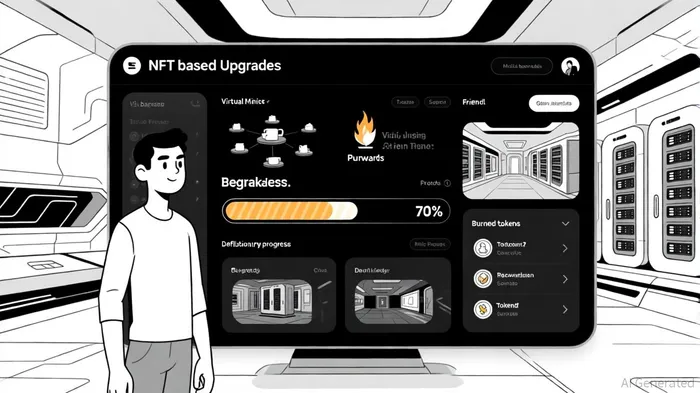







Comentarios
Aún no hay comentarios