
U.S. Pending Home Sales: A Glimmer of Hope Amidst Lingering Challenges
Generado por agente de IATheodore Quinn
viernes, 28 de marzo de 2025, 6:03 pm ET1 min de lectura
The U.S. housing market is showing signs of life, with pending home sales rising 2.0% in February 2025. However, the overall picture remains one of caution, as the Pending Home Sales Index (PHSI) still lags behind historical norms. The PHSI, which stands at 72.0, is well below the 100 mark that represents the level of contract activity in 2001. This modest increase, while encouraging, is overshadowed by the 3.6% year-over-year decline in contract signings, indicating that the market is far from robust health.
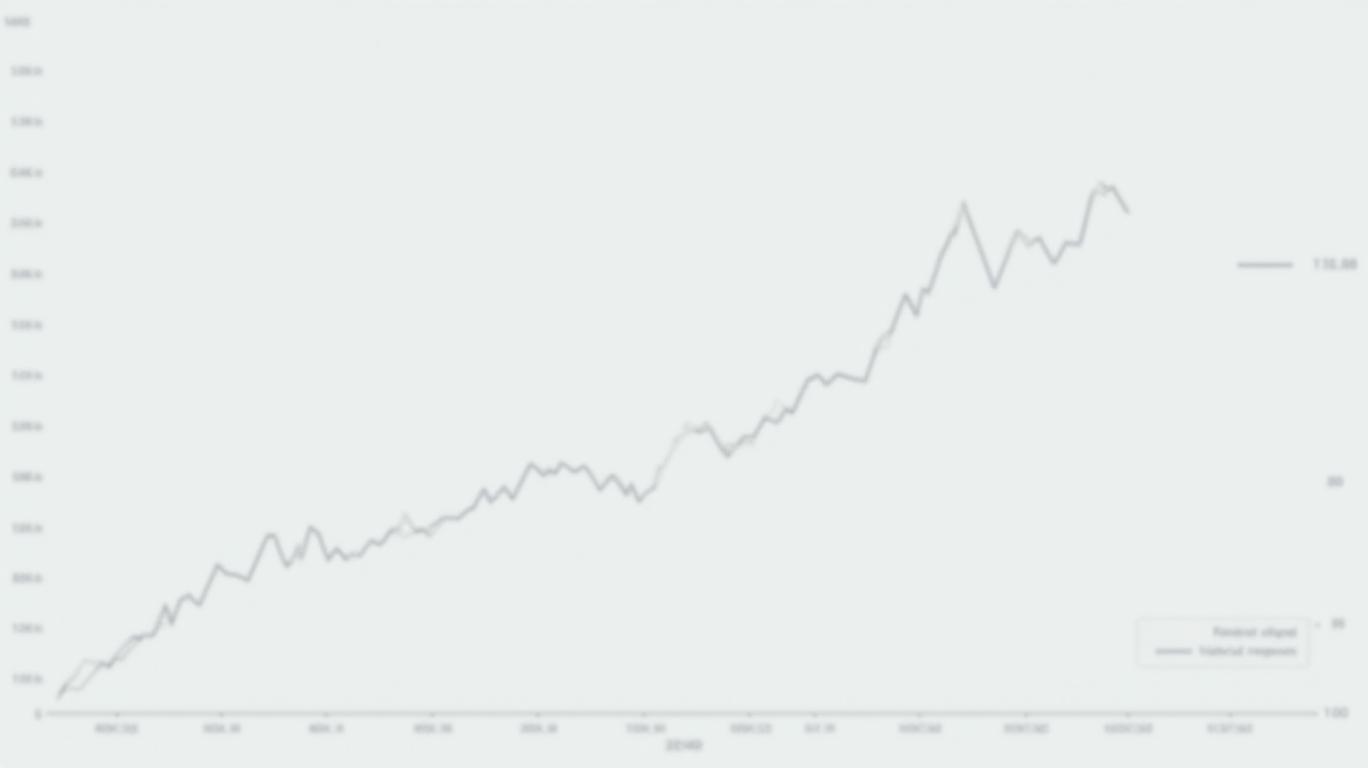
The primary culprit behind this lag is the high mortgage rates, which have created a double-edged sword for the market. On one hand, they make homes less affordable for buyers, dampening demand. On the other, they create a "mortgage rate lock-in effect," where homeowners are reluctant to sell their current homes for fear of losing their low mortgage rates. This effect is particularly pronounced in the Midwest, where contract signings have declined the most, by 4.7% year-over-year.
The National Association of Realtors (NAR) forecasts that mortgage rates will average 6.4% in 2025 and 6.1% in 2026, which are still relatively high compared to historical averages. However, the NAR also expects existing-home sales to rise by 6% in 2025 and accelerate another 11% in 2026, and new-home sales to rise by 10% in 2025 and another 5% in 2026. This suggests that despite the current challenges, there is potential for growth in the housing market in the coming years.
Investors and homebuyers alike should keep a close eyeEYE-- on mortgage rates, as a meaningful decline could boost both demand and supply in the housing market. However, the current high national debt will prevent mortgage rates from falling drastically, according to NAR Chief Economist Lawrence Yun. This means that while there is potential for growth, it may be slow and steady rather than a sudden surge.
In conclusion, the U.S. housing market is showing signs of life, but it is far from robust health. High mortgage rates and the mortgage rate lock-in effect are the primary culprits behind the lag in pending home sales. However, there is potential for growth in the coming years, and investors and homebuyers should keep a close eye on mortgage rates and the broader economic landscape.



Divulgación editorial y transparencia de la IA: Ainvest News utiliza tecnología avanzada de Modelos de Lenguaje Largo (LLM) para sintetizar y analizar datos de mercado en tiempo real. Para garantizar los más altos estándares de integridad, cada artículo se somete a un riguroso proceso de verificación con participación humana.
Mientras la IA asiste en el procesamiento de datos y la redacción inicial, un miembro editorial profesional de Ainvest revisa, verifica y aprueba de forma independiente todo el contenido para garantizar su precisión y cumplimiento con los estándares editoriales de Ainvest Fintech Inc. Esta supervisión humana está diseñada para mitigar las alucinaciones de la IA y garantizar el contexto financiero.
Advertencia sobre inversiones: Este contenido se proporciona únicamente con fines informativos y no constituye asesoramiento profesional de inversión, legal o financiero. Los mercados conllevan riesgos inherentes. Se recomienda a los usuarios que realicen una investigación independiente o consulten a un asesor financiero certificado antes de tomar cualquier decisión. Ainvest Fintech Inc. se exime de toda responsabilidad por las acciones tomadas con base en esta información. ¿Encontró un error? Reportar un problema




Comentarios
Aún no hay comentarios