
Paying for a Greener Mattress Industry
Generado por agente de IAHarrison Brooks
lunes, 13 de enero de 2025, 9:19 am ET2 min de lectura
BOX--
In recent years, the mattress industry has come under scrutiny for its environmental impact, with consumers and manufacturers alike seeking more sustainable practices. As a result, mattress recycling programs have emerged as a solution to reduce waste and promote eco-friendliness. However, these programs often come with a cost, which consumers may indirectly bear through fees or higher prices. This article explores the reasons behind these costs and the benefits they bring to the mattress industry and the environment.
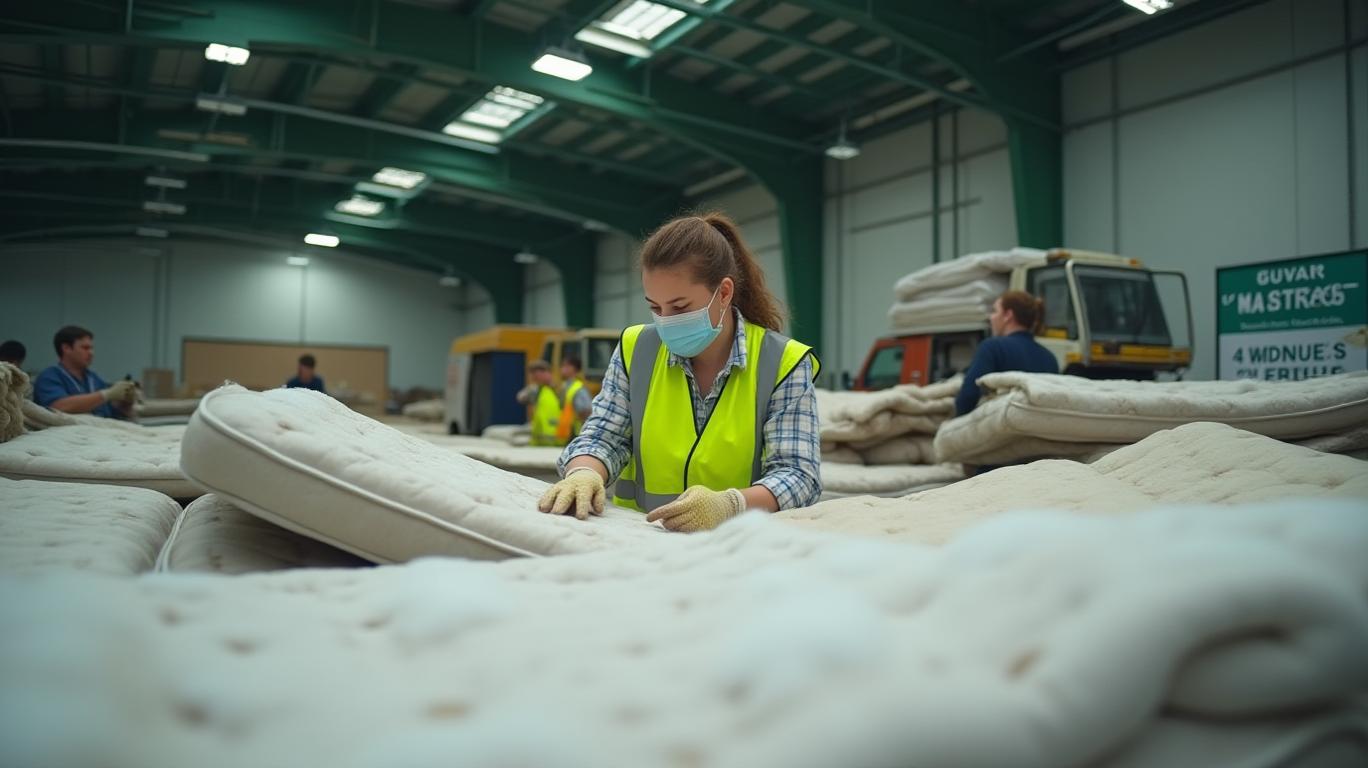
The mattress industry generates a significant amount of waste, with an estimated 15 to 20 million mattresses discarded annually in the United States alone (Mattress Recycling Council, 2025). Traditional disposal methods, such as landfilling or incineration, contribute to environmental degradation and resource depletion. Mattress recycling programs offer an alternative solution, transforming waste into valuable resources and reducing the environmental impact of the mattress industry.
One of the primary costs associated with mattress recycling programs is the establishment and maintenance of recycling infrastructure. These programs require dedicated facilities, equipment, and personnel to collect, sort, and process used mattresses. Additionally, funding is needed for operational costs, administration, and public education campaigns to raise awareness about the importance of mattress recycling.
To fund these initiatives, some states have implemented recycling fees, which are typically added to the purchase price of new mattresses. These fees, ranging from $16 to $23 per mattress or box spring, help finance state recycling programs and divert used mattresses from landfills. For instance, in Oregon, a $22.50 fee per unit was implemented on January 1, 2025, with more than half of the funds going towards operational costs (Oregon Department of Environmental Quality, 2025).
While these fees may seem like an additional burden for consumers, they ultimately contribute to a more sustainable mattress industry and a cleaner environment. By funding recycling programs, consumers are investing in a circular economy that reduces waste, conserves resources, and minimizes the environmental impact of mattress production and disposal.
Moreover, mattress recycling programs create new job opportunities and stimulate economic growth. The establishment of convenient drop-off locations and recycling sector jobs can help reduce illegal dumping and support local economies. In Oregon, for example, the mattress recycling program aims to create new jobs and reduce illegal dumping by providing easy-to-access recycling options for residents (Source: Oregon Department of Environmental Quality).
In addition to the environmental benefits, mattress recycling programs offer financial incentives for manufacturers and retailers. By participating in recycling initiatives, companies can enhance their corporate social responsibility image, attract eco-conscious consumers, and potentially reduce their waste management costs. Furthermore, the development of recycled materials and products can open up new revenue streams and markets for mattress manufacturers.
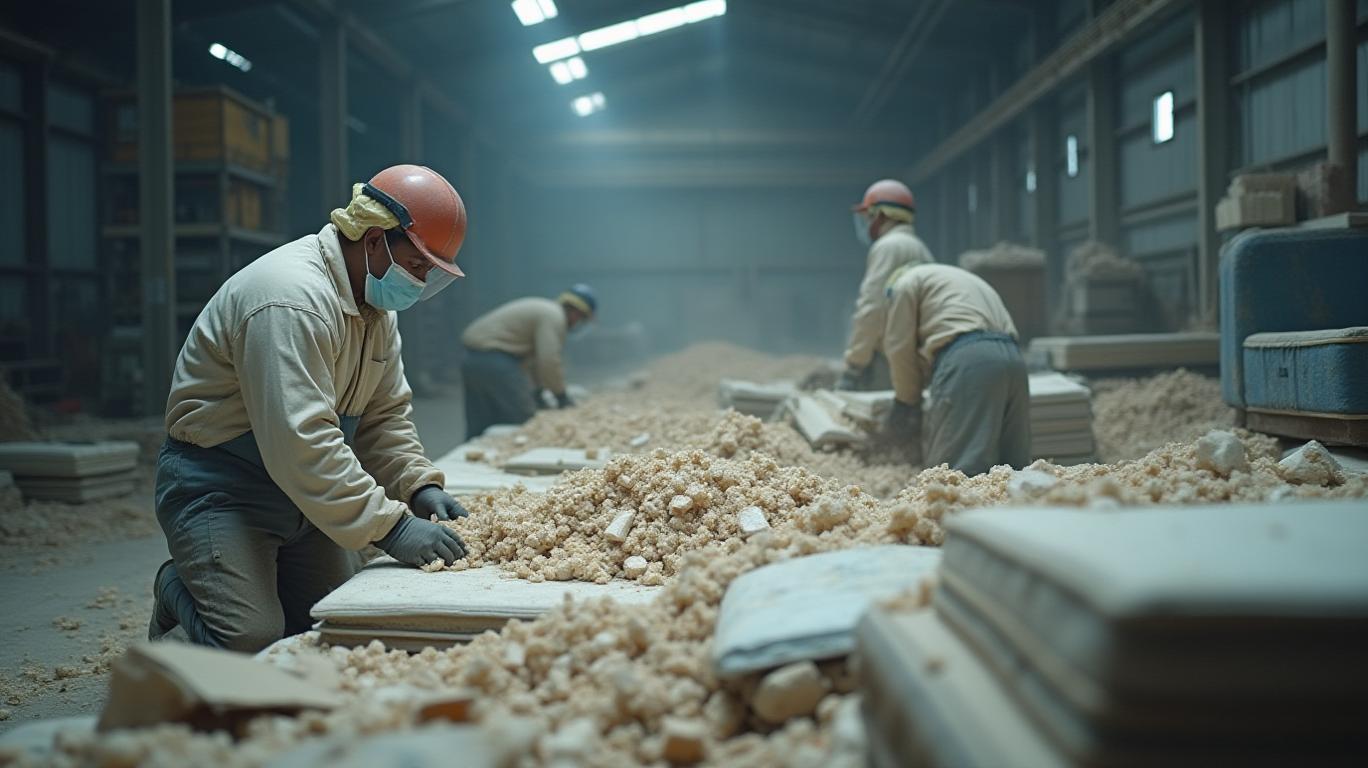
However, it is essential to acknowledge the challenges and limitations of mattress recycling programs. Recycling complex mattress compositions, tracing legacy chemicals in old mattresses, and ensuring convenient recycling infrastructure are among the key obstacles that must be addressed. Additionally, consumer awareness and education are crucial for the success of these programs, as they rely on public participation and support.
In conclusion, while mattress recycling programs may come with a cost for consumers, they ultimately contribute to a more eco-friendly mattress industry and a cleaner environment. By funding recycling infrastructure, creating jobs, and promoting sustainable practices, these programs offer a win-win situation for both consumers and the mattress industry. As the demand for sustainability grows, it is essential for consumers to recognize the value of investing in a greener future through mattress recycling initiatives.
Word count: 600
WM--
In recent years, the mattress industry has come under scrutiny for its environmental impact, with consumers and manufacturers alike seeking more sustainable practices. As a result, mattress recycling programs have emerged as a solution to reduce waste and promote eco-friendliness. However, these programs often come with a cost, which consumers may indirectly bear through fees or higher prices. This article explores the reasons behind these costs and the benefits they bring to the mattress industry and the environment.
The mattress industry generates a significant amount of waste, with an estimated 15 to 20 million mattresses discarded annually in the United States alone (Mattress Recycling Council, 2025). Traditional disposal methods, such as landfilling or incineration, contribute to environmental degradation and resource depletion. Mattress recycling programs offer an alternative solution, transforming waste into valuable resources and reducing the environmental impact of the mattress industry.
One of the primary costs associated with mattress recycling programs is the establishment and maintenance of recycling infrastructure. These programs require dedicated facilities, equipment, and personnel to collect, sort, and process used mattresses. Additionally, funding is needed for operational costs, administration, and public education campaigns to raise awareness about the importance of mattress recycling.
To fund these initiatives, some states have implemented recycling fees, which are typically added to the purchase price of new mattresses. These fees, ranging from $16 to $23 per mattress or box spring, help finance state recycling programs and divert used mattresses from landfills. For instance, in Oregon, a $22.50 fee per unit was implemented on January 1, 2025, with more than half of the funds going towards operational costs (Oregon Department of Environmental Quality, 2025).
While these fees may seem like an additional burden for consumers, they ultimately contribute to a more sustainable mattress industry and a cleaner environment. By funding recycling programs, consumers are investing in a circular economy that reduces waste, conserves resources, and minimizes the environmental impact of mattress production and disposal.
Moreover, mattress recycling programs create new job opportunities and stimulate economic growth. The establishment of convenient drop-off locations and recycling sector jobs can help reduce illegal dumping and support local economies. In Oregon, for example, the mattress recycling program aims to create new jobs and reduce illegal dumping by providing easy-to-access recycling options for residents (Source: Oregon Department of Environmental Quality).
In addition to the environmental benefits, mattress recycling programs offer financial incentives for manufacturers and retailers. By participating in recycling initiatives, companies can enhance their corporate social responsibility image, attract eco-conscious consumers, and potentially reduce their waste management costs. Furthermore, the development of recycled materials and products can open up new revenue streams and markets for mattress manufacturers.
However, it is essential to acknowledge the challenges and limitations of mattress recycling programs. Recycling complex mattress compositions, tracing legacy chemicals in old mattresses, and ensuring convenient recycling infrastructure are among the key obstacles that must be addressed. Additionally, consumer awareness and education are crucial for the success of these programs, as they rely on public participation and support.
In conclusion, while mattress recycling programs may come with a cost for consumers, they ultimately contribute to a more eco-friendly mattress industry and a cleaner environment. By funding recycling infrastructure, creating jobs, and promoting sustainable practices, these programs offer a win-win situation for both consumers and the mattress industry. As the demand for sustainability grows, it is essential for consumers to recognize the value of investing in a greener future through mattress recycling initiatives.
Word count: 600

Divulgación editorial y transparencia de la IA: Ainvest News utiliza tecnología avanzada de Modelos de Lenguaje Largo (LLM) para sintetizar y analizar datos de mercado en tiempo real. Para garantizar los más altos estándares de integridad, cada artículo se somete a un riguroso proceso de verificación con participación humana.
Mientras la IA asiste en el procesamiento de datos y la redacción inicial, un miembro editorial profesional de Ainvest revisa, verifica y aprueba de forma independiente todo el contenido para garantizar su precisión y cumplimiento con los estándares editoriales de Ainvest Fintech Inc. Esta supervisión humana está diseñada para mitigar las alucinaciones de la IA y garantizar el contexto financiero.
Advertencia sobre inversiones: Este contenido se proporciona únicamente con fines informativos y no constituye asesoramiento profesional de inversión, legal o financiero. Los mercados conllevan riesgos inherentes. Se recomienda a los usuarios que realicen una investigación independiente o consulten a un asesor financiero certificado antes de tomar cualquier decisión. Ainvest Fintech Inc. se exime de toda responsabilidad por las acciones tomadas con base en esta información. ¿Encontró un error? Reportar un problema




Comentarios
Aún no hay comentarios