
Paul Atkins Sworn In As SEC Chairman, Digital Asset Industry Hails Shift
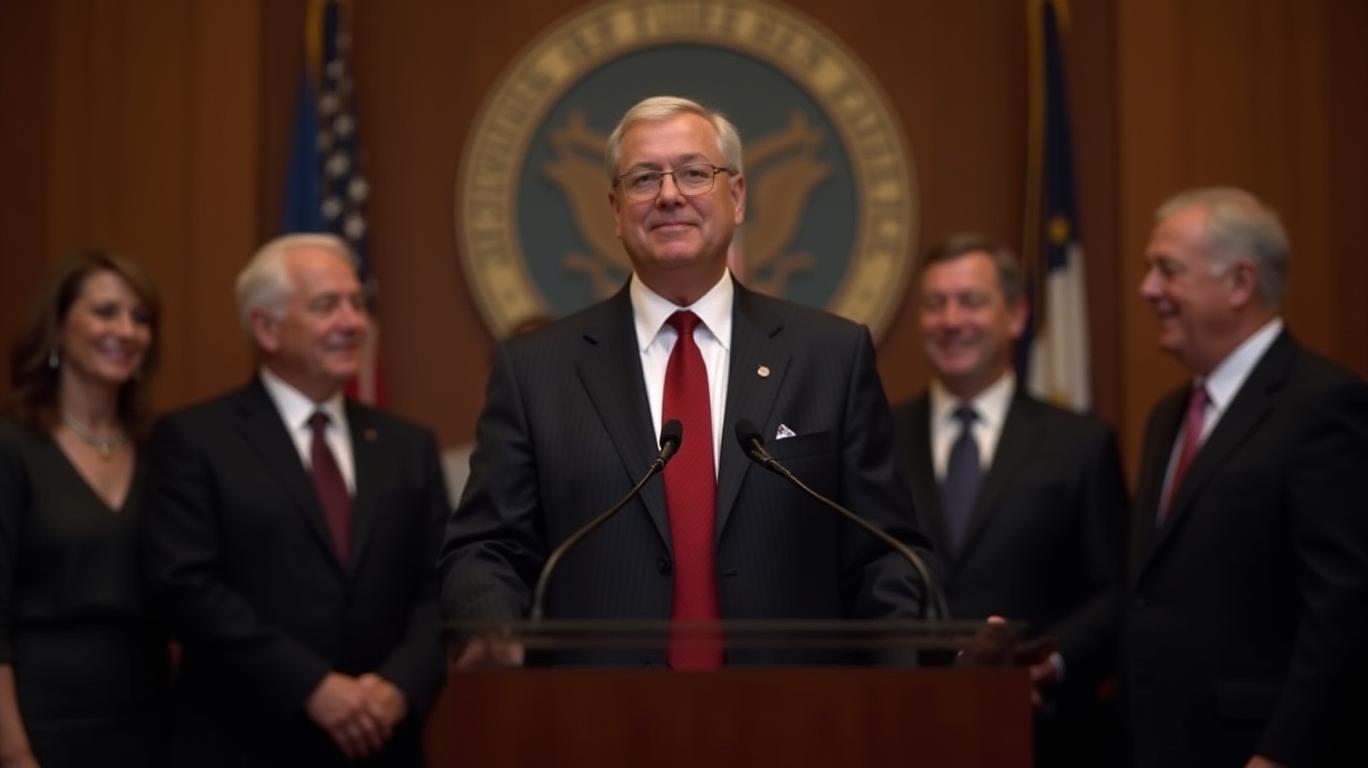
Paul Atkins was sworn in as Chairman of the US Securities and Exchange Commission on Monday, marking a significant shift in leadership that has been met with enthusiasm by the digital asset industry. His confirmation by the US Senate on April 9 followed President Donald Trump's nomination late last year. Atkins expressed his gratitude for the trust and confidence placed in him, stating his commitment to advancing the SEC's mission to facilitate capital formation, maintain fair markets, and protect investors.
Atkins is expected to have a private swearing-in ceremony with Trump at the Oval Office on Tuesday. His return to the SEC comes after serving as a commissioner from 2002 to 2008, during which he advocated for market-driven regulation and pro-business policies. His appointment is seen as a potential turning point for digital asset markets, which have long sought regulatory clarity after years of uncertainty and enforcement-heavy oversight under previous leadership.
Atkins' stance on regulation is viewed as a counterbalance to past SEC actions that critics say hindered industry growth. He has supported a more measured regulatory approach through his work with the Chamber of Digital Commerce, calling for clear rules that do not stifle innovation. His financial disclosures filed in March revealed significant exposure to the crypto sector, including equity stakes in Anchorage Digital and Securitize, as well as a limited partnership in the crypto-focused fund Off the Chain Capital. His total family assets may exceed $580m, mostly tied to his consulting firm and his wife’s business.
Atkins' financial interest in crypto firms has drawn scrutiny but also shows his familiarity with the sector. Industry participants hope his leadership will bring more nuance to regulation, calling for a clearer and more transparent framework. Key areas of focus include token classification and custody rules. His confirmation comes as debate over crypto regulation intensifies in Washington, with lawmakers divided on how to foster innovation while protecting consumers.







Comentarios
Aún no hay comentarios