
Patreon CEO Criticizes AI Firms for 'Bogus Excuse' of Fair Use to Avoid Paying Artists
Patreon CEO Jack Conte has publicly criticized artificial intelligence companies for using the legal doctrine of 'fair use' as a justification to train models on creators' work without paying for it. Conte argued that this approach is a 'bogus excuse' and undermines the value of independent artists and content producers according to Fortune.
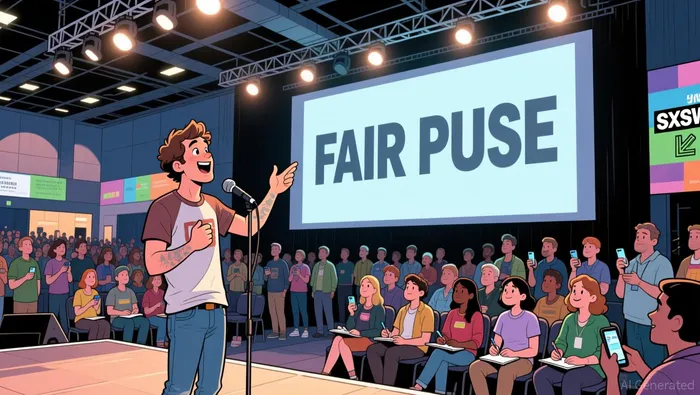
Conte made his remarks at the South by Southwest (SXSW) conference, where he emphasized the need for a more equitable system. He pointed out that while AI companies claim fair use, they simultaneously pay major publishers like Condé Nast and Warner Music GroupWMG-- millions to license similar content according to Fortune. This double standard, he said, leaves smaller creators uncompensated for their contributions to AI training datasets as reported by American Bazaar.
Several legal actions against AI companies are already underway. OpenAI faces lawsuits from publishers like the New York TimesNYT-- and dictionary makers Encyclopaedia Britannica and Merriam-Webster for using their content without permission according to Cyber Corsairs. In addition, Anthropic reached a $1.5 billion settlement with authors in September 2025 according to TechCrunch. These developments indicate a growing legal and ethical reckoning over content usage in AI development.
Why Did This Happen?
Jack Conte's criticism stems from a broader shift in the content and AI industries. As AI companies train models on vast amounts of user-generated and copyrighted material, questions of ownership and compensation have become more urgent. Conte noted that smaller creators lack the legal leverage of major media companies and are thus left out of licensing deals according to Fortune.
This discrepancy is not new. AI companies have long relied on legal loopholes to justify using content without permission or payment. Conte challenged the logic behind this by asking, 'If it's legal to just use it, why pay?' according to Fortune. This line of argument highlights the need for a consistent and fair approach to content licensing.
What Are Analysts Watching Next?
Analysts are closely monitoring how AI companies respond to these criticisms and legal challenges. Conte's remarks at SXSW have reignited the conversation about fair compensation for creators. The growing legal pressure may force AI firms to adopt more transparent and equitable licensing practices according to Cyber Corsairs.
The outcome of ongoing lawsuits could set legal precedents that affect the entire AI industry. If courts rule that AI companies must pay for content used in model training, it could lead to a fundamental shift in how AI models are developed and monetized. This could also have implications for the broader creator economy, where independent artists rely on fair compensation to sustain their work according to TechBuzz AI.
What Does This Mean for Investors?
For investors, the legal and ethical challenges facing AI companies are significant. The potential costs of litigation, restructuring, and licensing agreements could impact AI firms' profitability and valuation. Investors are advised to consider the long-term sustainability of companies' business models and their ability to adapt to regulatory and market pressures according to TechCrunch.
In the near term, the AI industry may see increased scrutiny from regulators and the public. Companies that proactively address these concerns by offering fair compensation to creators could position themselves for more sustainable growth in the long run.





Comentarios
Aún no hay comentarios