
Passive Investing: The Retirement Game Changer
Generado por agente de IAJulian West
sábado, 18 de enero de 2025, 9:05 am ET2 min de lectura
ATUS--
As we approach retirement, many of us wonder how to make our money work for us without constantly monitoring the market. The answer lies in passive investing, a strategy that has gained popularity among investors like Atul, who discovered the power of index funds during the COVID-19 pandemic. Let's explore why passive investing is best for almost everyone saving for retirement.

1. Lower Costs and Fees
Passive investing, through index funds and ETFs, is less expensive than actively managed funds. According to the Investment Company Institute, the average expense ratio for index equity mutual funds in 2022 was 0.05%, compared to 0.66% for actively managed equity mutual funds. This lower cost structure allows passive investors to keep more of their returns and compound their wealth over time.
| Fund Type | Average Expense Ratio |
| --- | --- |
| Actively Managed | 0.66% |
| Index | 0.05% |
2. Market Efficiency and Long-Term Performance
Passive investing is based on the assumption that markets are efficient, meaning that all publicly available information is already reflected in the prices of securities. This principle, known as the Efficient Market Hypothesis, suggests that it is impossible to consistently outperform the market through active management. Instead, passive investors aim to capture the market's overall performance by investing in index funds or ETFs that track a specific market index.
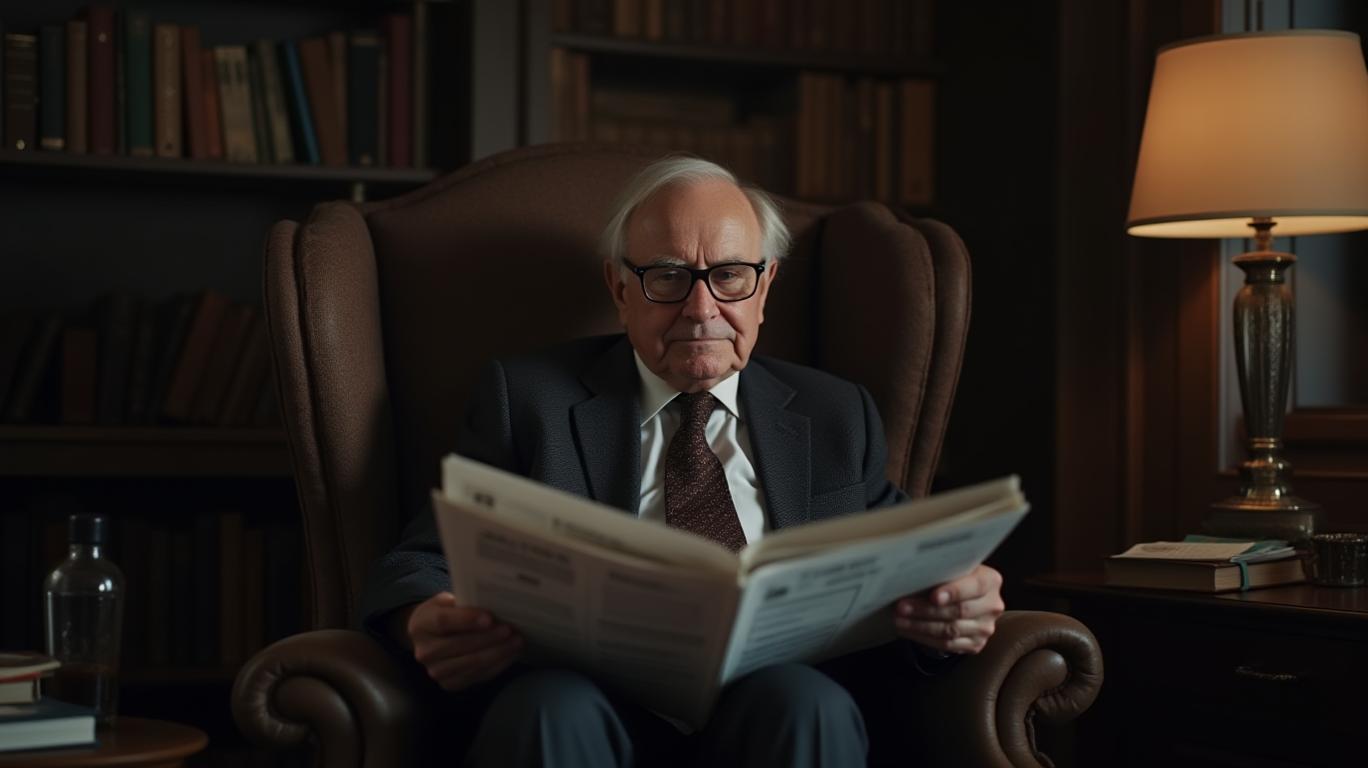
Warren Buffett, one of the most successful investors of all time, is a strong advocate of passive investing. In his 2013 letter to shareholders, he wrote, "Most investors, both institutional and individual, will find that the best way to own common stocks is through an index fund that charges minimal fees."
3. Diversification and Risk Management
Passive investing often provides better diversification, as it is based on a broad market index or a representative sample of securities. This diversification helps to spread risk and reduce the impact of individual security performance on the overall portfolio. By investing in a diversified portfolio of index funds or ETFs, passive investors can minimize the risk of underperforming individual securities or sectors.
| Passive Investing | Active Investing |
| --- | --- |
| Diversified portfolio based on market index | Concentrated portfolio or individual securities |
| Spreads risk across multiple securities | May have higher risk due to concentrated holdings |
4. Time and Effort
Passive investing requires minimal intervention, allowing investors to focus on other aspects of their lives. By investing in index funds or ETFs, passive investors can adopt a "buy and hold" strategy, which eliminates the need for constant market monitoring and trading. This hands-off approach allows investors to save time and reduce stress, making passive investing an ideal choice for those saving for retirement.

In conclusion, passive investing is best for almost everyone saving for retirement due to its lower costs, market efficiency, diversification, and time-saving benefits. By investing in index funds or ETFs, retirees can capture the market's overall performance, minimize risk, and enjoy a hands-off approach to investing. So, why not let your money work for you while you enjoy your retirement? Give passive investing a try and experience the difference for yourself.
GPCR--
As we approach retirement, many of us wonder how to make our money work for us without constantly monitoring the market. The answer lies in passive investing, a strategy that has gained popularity among investors like Atul, who discovered the power of index funds during the COVID-19 pandemic. Let's explore why passive investing is best for almost everyone saving for retirement.
1. Lower Costs and Fees
Passive investing, through index funds and ETFs, is less expensive than actively managed funds. According to the Investment Company Institute, the average expense ratio for index equity mutual funds in 2022 was 0.05%, compared to 0.66% for actively managed equity mutual funds. This lower cost structure allows passive investors to keep more of their returns and compound their wealth over time.
| Fund Type | Average Expense Ratio |
| --- | --- |
| Actively Managed | 0.66% |
| Index | 0.05% |
2. Market Efficiency and Long-Term Performance
Passive investing is based on the assumption that markets are efficient, meaning that all publicly available information is already reflected in the prices of securities. This principle, known as the Efficient Market Hypothesis, suggests that it is impossible to consistently outperform the market through active management. Instead, passive investors aim to capture the market's overall performance by investing in index funds or ETFs that track a specific market index.
Warren Buffett, one of the most successful investors of all time, is a strong advocate of passive investing. In his 2013 letter to shareholders, he wrote, "Most investors, both institutional and individual, will find that the best way to own common stocks is through an index fund that charges minimal fees."
3. Diversification and Risk Management
Passive investing often provides better diversification, as it is based on a broad market index or a representative sample of securities. This diversification helps to spread risk and reduce the impact of individual security performance on the overall portfolio. By investing in a diversified portfolio of index funds or ETFs, passive investors can minimize the risk of underperforming individual securities or sectors.
| Passive Investing | Active Investing |
| --- | --- |
| Diversified portfolio based on market index | Concentrated portfolio or individual securities |
| Spreads risk across multiple securities | May have higher risk due to concentrated holdings |
4. Time and Effort
Passive investing requires minimal intervention, allowing investors to focus on other aspects of their lives. By investing in index funds or ETFs, passive investors can adopt a "buy and hold" strategy, which eliminates the need for constant market monitoring and trading. This hands-off approach allows investors to save time and reduce stress, making passive investing an ideal choice for those saving for retirement.
In conclusion, passive investing is best for almost everyone saving for retirement due to its lower costs, market efficiency, diversification, and time-saving benefits. By investing in index funds or ETFs, retirees can capture the market's overall performance, minimize risk, and enjoy a hands-off approach to investing. So, why not let your money work for you while you enjoy your retirement? Give passive investing a try and experience the difference for yourself.

Divulgación editorial y transparencia de la IA: Ainvest News utiliza tecnología avanzada de Modelos de Lenguaje Largo (LLM) para sintetizar y analizar datos de mercado en tiempo real. Para garantizar los más altos estándares de integridad, cada artículo se somete a un riguroso proceso de verificación con participación humana.
Mientras la IA asiste en el procesamiento de datos y la redacción inicial, un miembro editorial profesional de Ainvest revisa, verifica y aprueba de forma independiente todo el contenido para garantizar su precisión y cumplimiento con los estándares editoriales de Ainvest Fintech Inc. Esta supervisión humana está diseñada para mitigar las alucinaciones de la IA y garantizar el contexto financiero.
Advertencia sobre inversiones: Este contenido se proporciona únicamente con fines informativos y no constituye asesoramiento profesional de inversión, legal o financiero. Los mercados conllevan riesgos inherentes. Se recomienda a los usuarios que realicen una investigación independiente o consulten a un asesor financiero certificado antes de tomar cualquier decisión. Ainvest Fintech Inc. se exime de toda responsabilidad por las acciones tomadas con base en esta información. ¿Encontró un error? Reportar un problema




Comentarios
Aún no hay comentarios