
Party City Files for Bankruptcy a Second Time: Retail Déjà Vu
Generado por agente de IAEli Grant
sábado, 21 de diciembre de 2024, 2:22 am ET1 min de lectura
DLTR--
Party City, the largest retailer of party goods in the U.S., Canada, and Mexico, has filed for bankruptcy for the second time in two years. The Woodcliff Lake-based company, which emerged from bankruptcy in September 2023, has once again sought Chapter 11 protection, citing a heavy debt load and operational challenges.
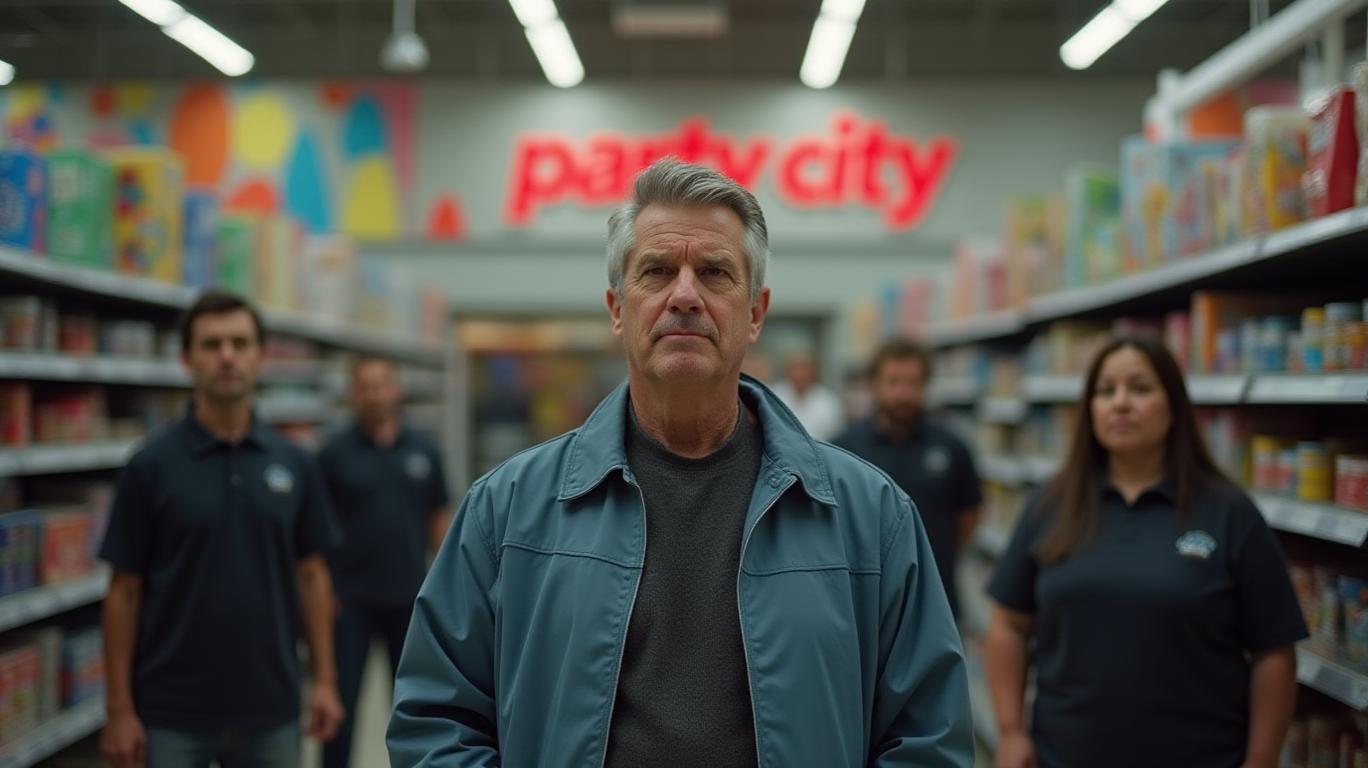
Party City's financial struggles can be attributed to several factors, including shifts in consumer behavior and market trends. The rise of e-commerce has led to a decline in foot traffic at physical stores, with consumers increasingly preferring the convenience and variety offered by online platforms. Additionally, the pandemic has accelerated this trend, as lockdowns and social distancing measures have further reduced in-person shopping. Party City's heavy debt load, exacerbated by the pandemic's impact on sales, has strained its liquidity and profitability.
Party City's restructuring plan, announced in its second bankruptcy filing, aims to address financial challenges by reducing debt and optimizing capital structure. The company plans to close underperforming stores, convert others to next-generation prototypes, and improve its online shopping experience. However, to ensure long-term sustainability, Party City must also address its high debt load, which topped $1.7 billion in 2021. The company's agreement with senior secured noteholders for $150 million in debtor-in-possession financing is a step in the right direction, but Party City must continue to reduce debt and improve liquidity to stabilize its financial health.
Party City's competitors have made strategic moves to adapt to the changing retail landscape, which has influenced the company's ability to recover from its financial struggles. For instance, Dollar Tree, a major competitor, has expanded its product offerings to include more party supplies, directly competing with Party City. Additionally, other retailers like Walmart and Target have increased their focus on party goods, further intensifying competition.
In conclusion, Party City's second bankruptcy filing underscores the challenges faced by brick-and-mortar retailers in an evolving market. The company's struggles can be attributed to several factors, including shifts in consumer behavior and market trends. To ensure long-term sustainability, Party City must address its high debt load, diversify its product offerings, and strengthen its brand to better compete in the evolving retail landscape.
GPCR--
TGT--
WMT--
Party City, the largest retailer of party goods in the U.S., Canada, and Mexico, has filed for bankruptcy for the second time in two years. The Woodcliff Lake-based company, which emerged from bankruptcy in September 2023, has once again sought Chapter 11 protection, citing a heavy debt load and operational challenges.
Party City's financial struggles can be attributed to several factors, including shifts in consumer behavior and market trends. The rise of e-commerce has led to a decline in foot traffic at physical stores, with consumers increasingly preferring the convenience and variety offered by online platforms. Additionally, the pandemic has accelerated this trend, as lockdowns and social distancing measures have further reduced in-person shopping. Party City's heavy debt load, exacerbated by the pandemic's impact on sales, has strained its liquidity and profitability.
Party City's restructuring plan, announced in its second bankruptcy filing, aims to address financial challenges by reducing debt and optimizing capital structure. The company plans to close underperforming stores, convert others to next-generation prototypes, and improve its online shopping experience. However, to ensure long-term sustainability, Party City must also address its high debt load, which topped $1.7 billion in 2021. The company's agreement with senior secured noteholders for $150 million in debtor-in-possession financing is a step in the right direction, but Party City must continue to reduce debt and improve liquidity to stabilize its financial health.
Party City's competitors have made strategic moves to adapt to the changing retail landscape, which has influenced the company's ability to recover from its financial struggles. For instance, Dollar Tree, a major competitor, has expanded its product offerings to include more party supplies, directly competing with Party City. Additionally, other retailers like Walmart and Target have increased their focus on party goods, further intensifying competition.
In conclusion, Party City's second bankruptcy filing underscores the challenges faced by brick-and-mortar retailers in an evolving market. The company's struggles can be attributed to several factors, including shifts in consumer behavior and market trends. To ensure long-term sustainability, Party City must address its high debt load, diversify its product offerings, and strengthen its brand to better compete in the evolving retail landscape.

Divulgación editorial y transparencia de la IA: Ainvest News utiliza tecnología avanzada de Modelos de Lenguaje Largo (LLM) para sintetizar y analizar datos de mercado en tiempo real. Para garantizar los más altos estándares de integridad, cada artículo se somete a un riguroso proceso de verificación con participación humana.
Mientras la IA asiste en el procesamiento de datos y la redacción inicial, un miembro editorial profesional de Ainvest revisa, verifica y aprueba de forma independiente todo el contenido para garantizar su precisión y cumplimiento con los estándares editoriales de Ainvest Fintech Inc. Esta supervisión humana está diseñada para mitigar las alucinaciones de la IA y garantizar el contexto financiero.
Advertencia sobre inversiones: Este contenido se proporciona únicamente con fines informativos y no constituye asesoramiento profesional de inversión, legal o financiero. Los mercados conllevan riesgos inherentes. Se recomienda a los usuarios que realicen una investigación independiente o consulten a un asesor financiero certificado antes de tomar cualquier decisión. Ainvest Fintech Inc. se exime de toda responsabilidad por las acciones tomadas con base en esta información. ¿Encontró un error? Reportar un problema


SOBRE NOSOTROS
Nuestra historiaAutores de noticiasBase de conocimientosPolítica de privacidadTérmino de usoDescargo de responsabilidad de corretaje de tercerosTérminos de uso de AIMEDivulgaciones de riesgos de AInvest AICarrerasCONTÁCTENOS
Email: support@ainvest.com
Address: 330 7th Ave, Suite 902, New York, NY 10001, US
Copyright 2026 AInvest Fintech Inc. All rights reserved.


Comentarios
Aún no hay comentarios