
Panasonic's Workforce Restructuring and Its Implications for Shareholder Value
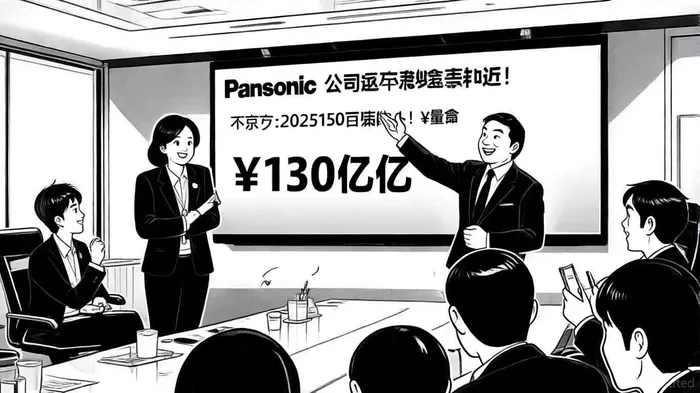
Panasonic's recent announcement of a global workforce reduction—targeting 10,000 jobs, or 4% of its 230,000-strong workforce—has sparked significant investor interest and debate. The restructuring, evenly split between Japan and overseas operations, is framed as a strategic pivot to address structural inefficiencies and declining profitability. According to a report by The HR Digest, the cuts primarily affect sales and indirect departments, with CEO Yuki Kusumi taking a 40% pay cut to signal accountability [2]. This move follows a 17.5% drop in net profit for the year ended March 2025 and an anticipated further 15% decline in the current fiscal year, driven by weak demand for electric vehicle (EV) batteries, supply chain bottlenecks, and trade tariff uncertainties [4].
Operational Efficiency Gains
The restructuring is designed to streamline operations by eliminating redundancies in low-margin segments, particularly in consumer electronics, where competition from Chinese manufacturers like Haier and Midea has intensified [3]. By focusing on high-growth areas such as EV batteries, energy storage, and aviation electronics, Panasonic aims to reallocate resources to sectors with stronger profit potential. Data from Baua Electric indicates that the company expects ¥70 billion ($483 million) in savings directly from workforce reductions, contributing to a projected ¥150 billion ($1 billion) profit increase by April 2026 [3]. This aligns with broader industry trends, as Japanese electronics giants like Sony and Hitachi have similarly shifted toward industrial IoT and IT infrastructure to counter stagnating consumer markets [5].
Shareholder Value and Investor Confidence
The restructuring has already shown early signs of boosting investor confidence. Panasonic's stock rose 2% in Tokyo following the announcement, reflecting optimism about the company's strategic clarity [1]. The CEO's symbolic pay cut and the emphasis on accountability have further reinforced trust, a critical factor in maintaining shareholder support during cost-cutting initiatives. Analysts at The HR Digest note that the restructuring is part of a larger initiative to achieve a 10% return on equity (ROE) by March 2029 and an adjusted operating profit of ¥600 billion by March 2027 [2]. These targets, if met, would position Panasonic to outperform peers in the electronics sector, where average ROEs have languished below 5% in recent years.
Risks and Long-Term Considerations
Despite the strategic rationale, challenges remain. The immediate termination of external contract workers without retraining programs has drawn criticism for its fairness, potentially damaging employee morale and brand reputation [3]. Additionally, the ¥130 billion ($896 million) restructuring costs could weigh on short-term earnings, even as the company projects a net gain by 2026. External factors, such as geopolitical tensions and EV market saturation, also pose risks to the profitability of Panasonic's high-growth bets.
Conclusion
Panasonic's workforce restructuring represents a calculated attempt to align its cost structure with evolving market demands. By prioritizing operational efficiency and high-margin sectors, the company aims to restore profitability and shareholder value. However, the success of this strategy will depend on its ability to execute the transition smoothly, mitigate labor-related risks, and capitalize on emerging opportunities in EV and energy technologies. For investors, the key will be monitoring progress against the stated financial targets and assessing whether the restructuring catalyzes a sustainable turnaround.







Comentarios
Aún no hay comentarios