
Palmer Luckey Blasts Hysteria Over DeepSeek, Oculus-Founder Says Chinese Hedge Fund's 'Psyops' Targeted US AI Giants Like Nvidia
Generado por agente de IAHarrison Brooks
miércoles, 29 de enero de 2025, 1:15 am ET1 min de lectura
NVDA--
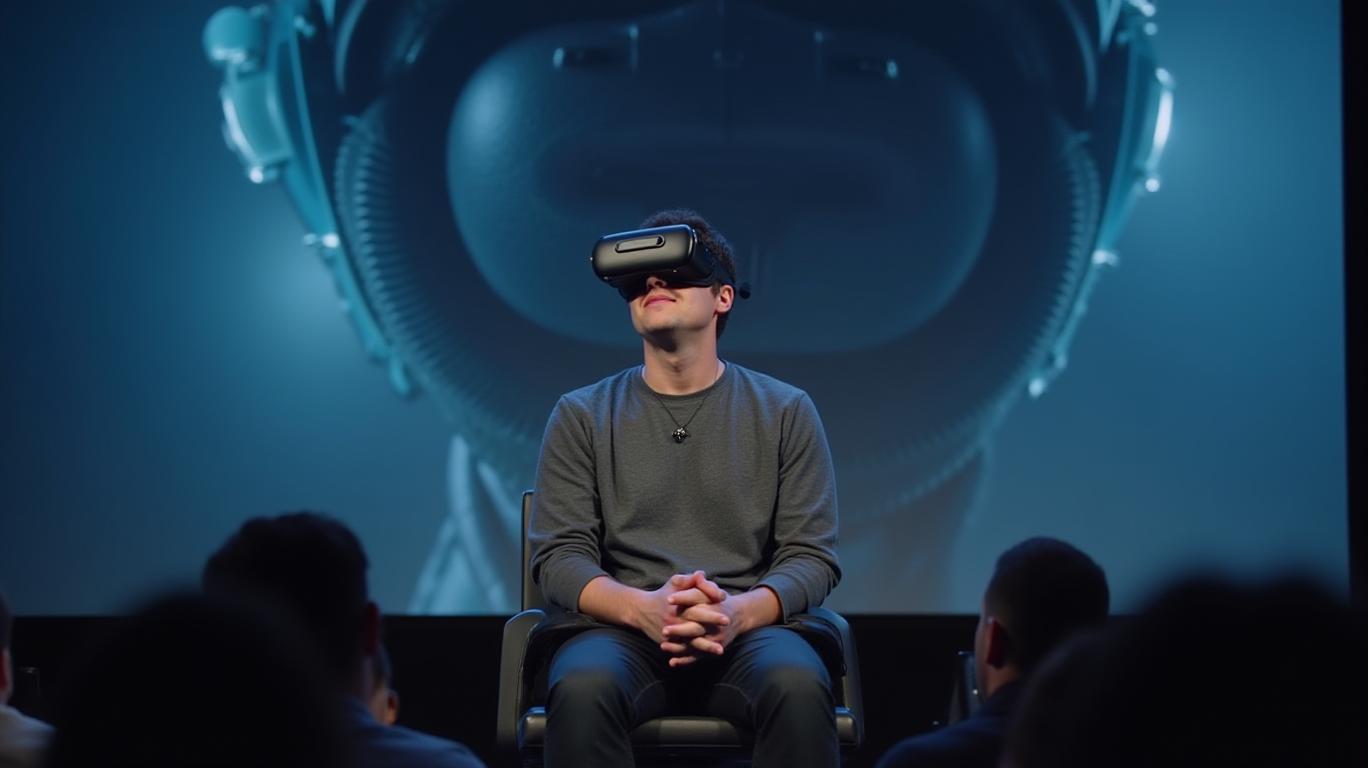
In a surprising turn of events, Palmer Luckey, the founder of Oculus VR and Anduril Industries, has spoken out against the market's hysteria surrounding the emergence of DeepSeek, a Chinese AI startup backed by a hedge fund. Luckey believes that the recent market reaction, which saw Nvidia's stock plummet and AI-related companies experience a downturn, is an overreaction to DeepSeek's potential impact on the AI industry.
DeepSeek, an offshoot of Chinese AI-specialized hedge fund High-Flyer Quant, has gained significant attention for its open-source AI models that rival or even surpass those of industry giants like OpenAI. The company's latest model, DeepSeek R1, has been praised for its ability to tackle complex reasoning tasks and its efficiency in terms of computational resources.
However, the market's initial reaction to DeepSeek's announcement has been negative, with Nvidia's stock dropping by around 11% in premarket trading. This reaction is likely due to concerns about the potential impact on Nvidia's dominance in AI hardware and the broader AI market.
Luckey, however, sees the situation differently. In a series of tweets, he expressed his belief that DeepSeek's success could lead to a more competitive AI landscape, driving innovation and potentially reducing the cost of AI development. This perspective aligns with DeepSeek's own claims about the efficiency and cost-effectiveness of its AI models.
Luckey's viewpoint is that DeepSeek's open-source approach and accessibility could have significant implications for the AI market, particularly in relation to Nvidia's dominance in AI hardware. By demonstrating that high-performance AI models can be developed with fewer and less powerful GPUs, DeepSeek could lead to a decrease in demand for Nvidia's high-end GPUs, increased competition in AI hardware, and greater collaboration and innovation in the AI community.
However, it is essential to consider that DeepSeek's success could also open up new possibilities in AI, potentially sparking another race to acquire as much AI hardware as possible. Additionally, it is possible that DeepSeek's claims about the efficiency and cost-effectiveness of its AI models may not be entirely accurate, as the company's budget and resources are not fully disclosed.
In conclusion, Palmer Luckey's perspective on DeepSeek and its potential impact on the AI industry differs from the market's initial reaction. While the market reacted negatively to DeepSeek's emergence, Luckey sees the situation as an opportunity for increased competition and innovation in the AI landscape. The implications of DeepSeek's open-source approach and accessibility on the AI market, particularly in relation to Nvidia's dominance in AI hardware, remain to be seen. As the AI industry continues to evolve, it will be crucial to monitor the developments and assess the long-term impact of DeepSeek's emergence on the competitive landscape among AI companies.
In a surprising turn of events, Palmer Luckey, the founder of Oculus VR and Anduril Industries, has spoken out against the market's hysteria surrounding the emergence of DeepSeek, a Chinese AI startup backed by a hedge fund. Luckey believes that the recent market reaction, which saw Nvidia's stock plummet and AI-related companies experience a downturn, is an overreaction to DeepSeek's potential impact on the AI industry.
DeepSeek, an offshoot of Chinese AI-specialized hedge fund High-Flyer Quant, has gained significant attention for its open-source AI models that rival or even surpass those of industry giants like OpenAI. The company's latest model, DeepSeek R1, has been praised for its ability to tackle complex reasoning tasks and its efficiency in terms of computational resources.
However, the market's initial reaction to DeepSeek's announcement has been negative, with Nvidia's stock dropping by around 11% in premarket trading. This reaction is likely due to concerns about the potential impact on Nvidia's dominance in AI hardware and the broader AI market.
Luckey, however, sees the situation differently. In a series of tweets, he expressed his belief that DeepSeek's success could lead to a more competitive AI landscape, driving innovation and potentially reducing the cost of AI development. This perspective aligns with DeepSeek's own claims about the efficiency and cost-effectiveness of its AI models.
Luckey's viewpoint is that DeepSeek's open-source approach and accessibility could have significant implications for the AI market, particularly in relation to Nvidia's dominance in AI hardware. By demonstrating that high-performance AI models can be developed with fewer and less powerful GPUs, DeepSeek could lead to a decrease in demand for Nvidia's high-end GPUs, increased competition in AI hardware, and greater collaboration and innovation in the AI community.
However, it is essential to consider that DeepSeek's success could also open up new possibilities in AI, potentially sparking another race to acquire as much AI hardware as possible. Additionally, it is possible that DeepSeek's claims about the efficiency and cost-effectiveness of its AI models may not be entirely accurate, as the company's budget and resources are not fully disclosed.
In conclusion, Palmer Luckey's perspective on DeepSeek and its potential impact on the AI industry differs from the market's initial reaction. While the market reacted negatively to DeepSeek's emergence, Luckey sees the situation as an opportunity for increased competition and innovation in the AI landscape. The implications of DeepSeek's open-source approach and accessibility on the AI market, particularly in relation to Nvidia's dominance in AI hardware, remain to be seen. As the AI industry continues to evolve, it will be crucial to monitor the developments and assess the long-term impact of DeepSeek's emergence on the competitive landscape among AI companies.

Divulgación editorial y transparencia de la IA: Ainvest News utiliza tecnología avanzada de Modelos de Lenguaje Largo (LLM) para sintetizar y analizar datos de mercado en tiempo real. Para garantizar los más altos estándares de integridad, cada artículo se somete a un riguroso proceso de verificación con participación humana.
Mientras la IA asiste en el procesamiento de datos y la redacción inicial, un miembro editorial profesional de Ainvest revisa, verifica y aprueba de forma independiente todo el contenido para garantizar su precisión y cumplimiento con los estándares editoriales de Ainvest Fintech Inc. Esta supervisión humana está diseñada para mitigar las alucinaciones de la IA y garantizar el contexto financiero.
Advertencia sobre inversiones: Este contenido se proporciona únicamente con fines informativos y no constituye asesoramiento profesional de inversión, legal o financiero. Los mercados conllevan riesgos inherentes. Se recomienda a los usuarios que realicen una investigación independiente o consulten a un asesor financiero certificado antes de tomar cualquier decisión. Ainvest Fintech Inc. se exime de toda responsabilidad por las acciones tomadas con base en esta información. ¿Encontró un error? Reportar un problema


SOBRE NOSOTROS
Nuestra historiaAutores de noticiasBase de conocimientosPolítica de privacidadTérmino de usoDescargo de responsabilidad de corretaje de tercerosTérminos de uso de AIMEDivulgaciones de riesgos de AInvest AICarrerasCONTÁCTENOS
Email: support@ainvest.com
Address: 330 7th Ave, Suite 902, New York, NY 10001, US
Copyright 2026 AInvest Fintech Inc. All rights reserved.


Comentarios
Aún no hay comentarios