
Palm Oil Futures: A Bullish Confluence of Policy, Crude, and Currency
The palm oil market is at an inflection point, with a perfect storm of biofuel mandates, rising crude oil prices, and a weakening Malaysian ringgit creating a compelling investment opportunity. Let's dissect the key drivers and why now is the time to position for gains in palm oil futures or related equities.
1. Biofuel Mandates: The Demand Catalyst
The U.S. Renewable Fuel Standard (RFS) for 2025 mandates 3.35 billion gallons of biomass-based diesel, a critical feedstock for which palm oil remains cost-competitive. While the U.S. has not explicitly expanded palm oil use, global policies are tilting in its favor:
- Indonesia's B40 target: By 2026, the world's largest palm oil producer aims to blend 40% palm oil into diesel, supported by a $2.14 billion subsidy. Despite technical hurdles, this could add 15 million tonnes of annual demand by 2034.
- India's BCD cuts: Reducing the Basic Customs Duty on crude palm oil (CPO) to 10% in May 2025 incentivized imports, boosting Indonesian CPO exports to India by 28% in April 2025. India's ethanol blending goals (E20 by 2025) further divert demand toward palm-based biodiesel.
While the EU's RED III aims to phase out palm oil by 2030, this is offset by growth in Asia. The OECD-FAO projects 0.9% annual biofuel consumption growth through 2034, with Indonesia and India driving 80% of this expansion.
Palm oil's $650/tonne price vs. soybean oil's $850/tonne highlights its cost advantage.
2. Crude Oil Prices and Geopolitical Risks
The Israel-Iran conflict has kept crude prices volatile, but a full-blown oil crisis remains unlikely. Key dynamics:
- Strait of Hormuz: Despite threats, Iran's reliance on exports to China (its top buyer) discourages closure.
- U.S. shale resilience: U.S. production (now at 13 million bpd) acts as a “swing producer,” mitigating supply shocks.
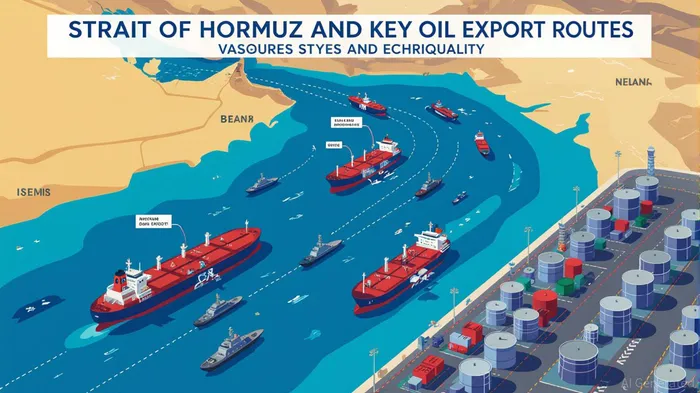
While crude prices hover near $79/bbl, any disruption could push them higher. Palm oil benefits indirectly as a biofuel substitute, but also directly: higher crude reduces refining margins, making palm oil-based biodiesel more profitable.
3. Currency Dynamics: A Weaker Ringgit Boosts Exports
The USD/MYR rate, now at 4.25, is down -5.12% YTD 2025, making Malaysian palm oil exports cheaper for global buyers. Key points:
- Export competitiveness: Malaysia's CPO costs $221/tonne (including export levies), but a weaker ringgit reduces landed costs for importers.
- Technical support: Prices are consolidating between 3,860–3,921 ringgit/tonne. A breakout above 3,921 could signal a 20% rally to 4,700 ringgit.
4. Technical and Fundamental Support
- Supply tightness: Indonesian output fell to 47.8 million tonnes in 2024, down from 50.1 million in 2023, tightening global supply.
- Soyoil spread: Palm oil's $650/tonne price vs. soy's $850/tonne ensures it remains the preferred feedstock for biodiesel.
Investment Strategy
Position for a palm oil rebound:
1. Futures: Buy near the 3,860–3,921 ringgit support zone, with a target of 4,500–4,700 ringgit.
2. Equities: Consider Malaysian plantation giants like IOI Corp (KLSE: IOICORP) or Golden Agri-Resources (KLSE: G1374), which benefit from higher prices.
3. Hedge crude risk: Use options to protect against a sudden drop in crude prices (e.g., a U.S.-Iran ceasefire).
Conclusion
Palm oil's fundamentals are aligning for a multi-year upcycle. Strong biofuel mandates, a weaker ringgit, and geopolitical tailwinds create a low-risk, high-reward scenario. Investors should capitalize on the current consolidation phase to build positions in palm oil futures or equities. The path to $4,500/tonne is clear—provided geopolitical tensions don't ease too quickly.
Disclaimer: Always conduct due diligence and consider risk tolerance before investing.







Comentarios
Aún no hay comentarios