
Palm Oil Faces Headwinds as Global Edible Oil Markets Weigh on Prices
The global edible oil market in early April 2025 has been marked by pronounced volatility, with palm oil prices tracking downward trends in rival oils such as Chicago soyoils and Dalian vegetable oils. A confluence of trade tensions, macroeconomic uncertainties, and supply-demand dynamics has created a challenging environment for producers and investors alike.
Intermarket Linkages Drive Volatility
Palm oil futures on the Malaysian market have remained tightly correlated with movements in Chicago and Dalian exchanges. Over April 1–10, CBOT soyoil prices fell by 0.45%, while Dalian’s soyoil and palm oil contracts dropped 0.49% and 0.73%, respectively. This synchronization reflects palm oil’s role as a substitute for soybean and rapeseed oils in global food and biofuel markets.
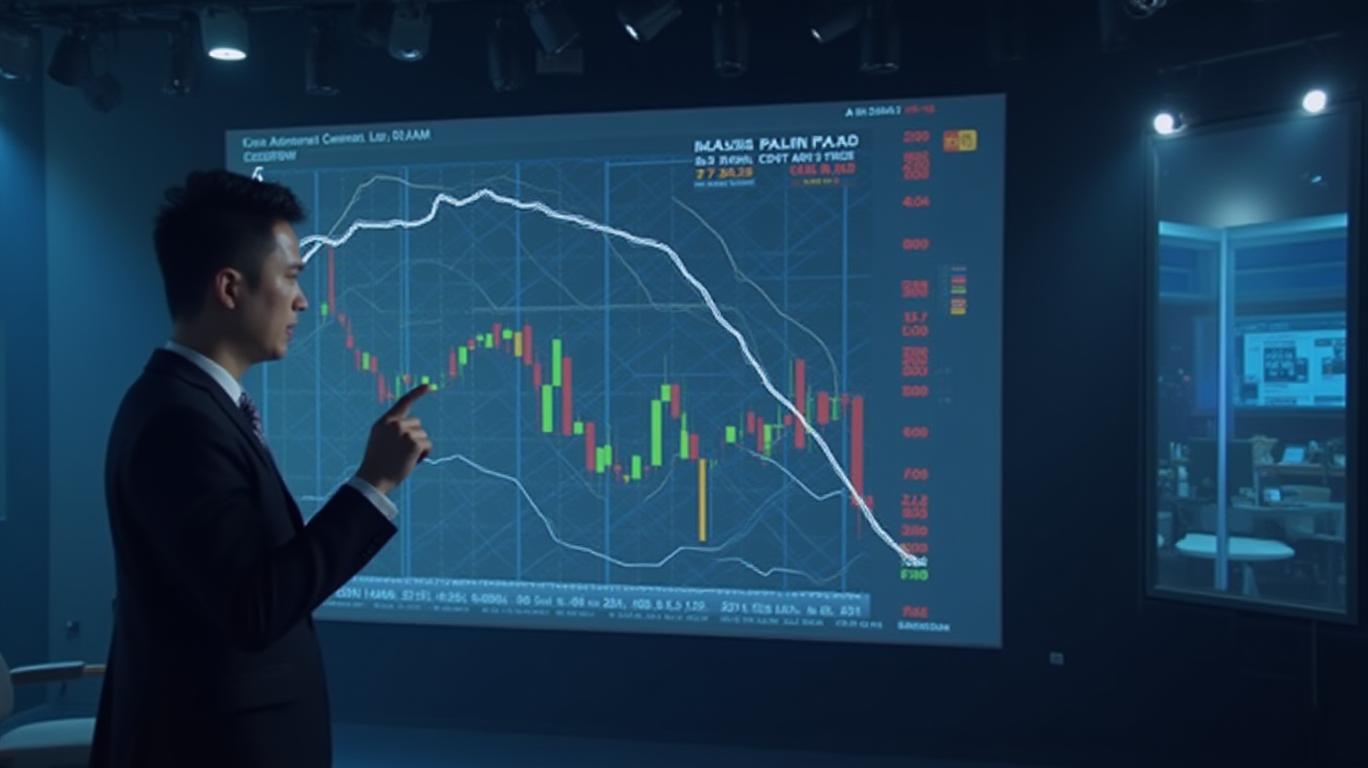
The April 7 price slump was particularly acute, with crude oil prices plunging over 3% amid escalating U.S.-China trade disputes. Weak crude reduced demand for palm oil as a biodiesel feedstock, exacerbating the downward pressure.
Trade Tensions and Policy Uncertainties
Escalating trade conflicts between the U.S. and China have disrupted global supply chains, with tariffs distorting demand patterns. U.S. tariffs on Canadian canola oil and meal, coupled with China’s retaliatory measures, have redirected trade flows toward alternative oils like soybean (traded in Dalian). Meanwhile, Indonesia’s consideration of revised palm oil export tariffs to offset U.S. import taxes highlights the fragility of global pricing mechanisms.
The ripple effects of these policies are evident in export data: Malaysian palm oil exports fell 8.1–8.47% in March (Amspec/Intertek), while India’s palm oil imports rose 14% in March to 424,599 tons—a demand boost insufficient to counter broader market headwinds.
Macroeconomic and Biofuel Pressures
Recession fears have dampened demand expectations, with investors scaling back exposure to commodities. Weak crude oil prices (at four-year lows) further undermined palm oil’s appeal as a biodiesel feedstock. Despite Indonesia’s shift to a B40 biodiesel mandate (40% biofuel blend), high vegetable oil prices and low crude margins have stifled production incentives.
Weather and Production Challenges
While palm oil prices eased from February’s peak—driven by earlier Southeast Asian flooding and drought—lingering supply constraints persist. Malaysia’s palm output remains hampered by flooding, while rapeseed and sunflower oil shortages (due to poor growing conditions in Canada and the Black Sea region) have kept Dalian soybean oil prices elevated.
Currency and Technical Dynamics
The Malaysian ringgit’s 0.79% depreciation against the dollar in early April made exports cheaper for foreign buyers, but this benefit was offset by weaker global demand. Technical analysts warn of further downside risks: Malaysian palm oil futures could test support at 4,072 ringgit/ton (Reuters’ Wang Tao), with a breach potentially sending prices to 4,026 ringgit.
Conclusion: Bearish Sentiment Dominates
The interplay of trade disputes, weak crude oil prices, and macroeconomic uncertainty has pushed palm oil prices lower, with Malaysian CPO futures down 3.05% for the week ending April 14. While Dalian soyoil prices offer some short-term support, structural challenges—including policy volatility, climate disruptions, and shifting biodiesel economics—suggest prolonged downside risks.
Investors should monitor key indicators closely:
- Export volumes from Malaysia and Indonesia, as reduced shipments could stabilize prices.
- Crude oil prices, given their direct impact on biofuel demand.
- U.S.-China trade negotiations, which could either alleviate or intensify market fragmentation.
As Darren Lim of Phillip Nova notes, the 90-day U.S. tariff suspension has done little to quell skepticism. Until these macro risks abate, palm oil prices are likely to remain under pressure, with technical indicators pointing toward further declines unless demand from key importers like India and China rebounds sharply.

In this environment, hedging against further declines or waiting for a technical rebound may be prudent strategies for investors. The edible oil market’s reliance on global policy and weather outcomes underscores the need for agility in navigating its unpredictable landscape.







Comentarios
Aún no hay comentarios