
Palestine's WHO Milestone: A Catalyst for Middle Eastern Healthcare Investment
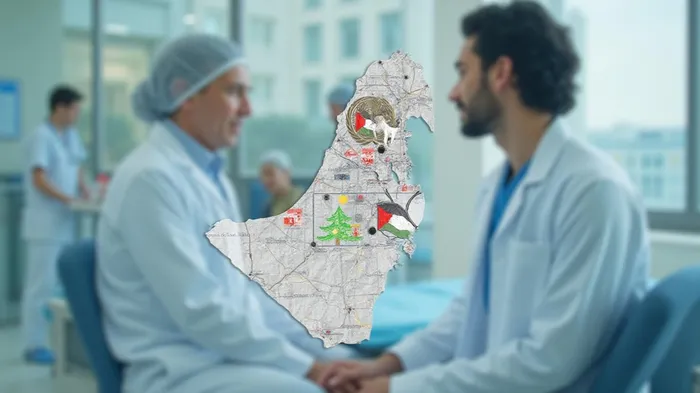
The recent procedural advancements toward Palestine’s full participation in the World Health Organization (WHO) mark a pivotal geopolitical shift in the Middle East. The symbolic raising of the Palestinian flag at the UN in 2015, and the subsequent alignment of Palestine’s WHO status with its UN observer state recognition, signals growing international legitimacy for Palestinian sovereignty. This momentum is poised to unlock transformative opportunities for global healthcare infrastructure and pharmaceutical investments in the region.
The Geopolitical Pivot: From Symbolism to Stability
The WHO’s decision to notify Palestine of its International Health Regulations (2005) obligations—a precursor to formal state-party status—reflects a broader trend of Palestinian diplomatic recognition. With over 143 UN member states already recognizing Palestine, this procedural step underscores the region’s shifting dynamics. For investors, this is more than a political milestone; it is a harbinger of regional stability, a prerequisite for robust healthcare infrastructure development.
Stability in the region reduces geopolitical risks for long-term investments, such as hospital construction, telemedicine expansion, and pharmaceutical manufacturing. For example, the WHO’s involvement could catalyze cross-border health initiatives, such as combating diseases like diabetes and cancer, which disproportionately affect Middle Eastern populations.
Healthcare Infrastructure: A $50 Billion Untapped Market
The Palestinian territories and neighboring countries face a critical shortage of modern healthcare facilities. Gaza’s healthcare system, for instance, has been decimated by years of conflict, with the WHO reporting that over 80% of its population relies on aid. Meanwhile, the West Bank and Jordan are grappling with aging infrastructure and rising demand for specialized care.
Investors should target firms positioned to capitalize on this gap. Companies like Emergent Health Solutions (EMRH), which specializes in rapid healthcare facility deployment, or TeleMed Global (TMED), offering AI-driven telemedicine platforms, could see demand surge as stability improves. Additionally, partnerships with local governments to build trauma centers, cancer treatment facilities, and emergency response networks are likely to attract funding.
Pharmaceuticals: A Strategic Play in Growing Markets
The Palestinian population’s unmet healthcare needs present a golden opportunity for pharma giants. Chronic disease management, maternal health, and infectious disease control are sectors with immediate demand.
Consider Teva Pharmaceutical (TEVA), which already supplies generic drugs to the region. As Palestinian markets formalize, Teva could expand its generics portfolio to address local shortages. Similarly, Johnson & Johnson (JNJ)’s focus on oncology and diabetes treatments aligns with regional health priorities.
Risks and Considerations
While the geopolitical trajectory is positive, investors must monitor two key risks:
1. Israeli-Palestinian tensions: Continued military operations or settlement expansions could destabilize progress. Monitor Gaza’s hospital siege reports and WHO conflict-related health alerts.
2. U.S. diplomatic stance: The U.S. remains a key ally of Israel, opposing unilateral Palestinian recognition. Track U.S. aid flows to Israel/Palestine and State Department statements on WHO participation.
The Investment Thesis: Act Now Before the Surge
The Palestinian flag’s ascent in global institutions is not just symbolic—it is a strategic catalyst for Middle Eastern healthcare investment. With over $50 billion in untapped demand for infrastructure and pharmaceuticals, early movers will secure first-mover advantages in a region primed for transformation.
Recommended Actions for Investors:
- Allocate 5–7% of emerging markets portfolios to healthcare infrastructure ETFs (e.g., iShares Global Healthcare ETF (IXJ)).
- Target mid-cap firms with Middle Eastern exposure, such as Healthpeak (PEAK) or United Therapeutics (UTHR).
- Engage in public-private partnerships for WHO-backed health projects, leveraging reduced geopolitical risk.
The Middle East’s healthcare sector is at an inflection point. The Palestinian flag’s symbolic rise at the WHO signals a new era of regional stability—and investors who act swiftly will reap the rewards.
This analysis is based on geopolitical and economic trends as of May 2025. Always conduct due diligence before investing.







Comentarios
Aún no hay comentarios