
Pakistan's Central Bank Defies IMF Advice, Slashes Rates 50 BPS to 10.5%
Pakistan's Central Bank Cuts Interest Rates
Pakistan's central bank unexpectedly cut interest rates by 50 basis points to 10.5% on Monday, surprising analysts and diverging from recent International Monetary Fund (IMF) advice. Only two of 42 economists surveyed had predicted the move, with the majority expecting the rate to remain unchanged. The cut breaks a four-meeting hold and marks the latest in a series of easing measures as inflation edges down to 6.1% in November.
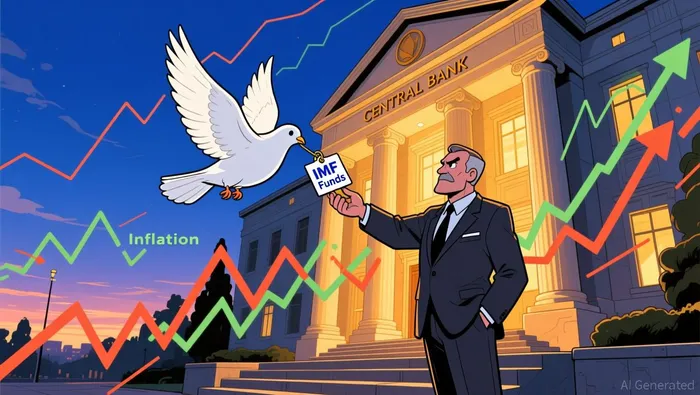
The decision came after the IMF approved $1.2 billion in fresh disbursements under Pakistan's economic stabilization program last week. The funding is intended to support the country's reform agenda and help restore macroeconomic stability. Despite the IMF's call for cautious monetary policy, the State Bank of Pakistan (SBP) moved to ease rates, sparking speculation about the balance between inflation control and growth support.
The surprise cut has raised questions about the central bank's strategy, particularly as inflation remains within the SBP's 5%–7% target band. Analysts note that while inflation dipped from 6.2% in October, it is expected to rise again in fiscal year 2026 due to fading base effects and ongoing volatility in food and transport prices.
Market Reactions and Economic Context
The rate cut has been met with a mixed response from financial markets and analysts. The move deviates from a Reuters poll of 12 analysts, all of whom had expected the policy rate to remain at 11%. The surprise decision reflects the SBP's confidence in current inflation trends and its assessment of the economic outlook.
Since June 2024, the SBP has cut rates by a total of 1,100 basis points, bringing the total easing from a peak of 22% down to 10.5%. The latest cut adds to this trend, signaling a shift in monetary policy amid improving economic indicators and the availability of IMF funding. The SBP's move also highlights its willingness to act independently in response to domestic economic conditions, even as it continues to meet IMF program requirements.
IMF's Stance and Reform Challenges
An IMF staff report released last week warned against "premature easing," emphasizing the need for a data-dependent approach to monetary policy. The report stressed the importance of maintaining external buffers and anchoring inflation expectations, even as Pakistan received the latest IMF disbursement.
Prime Minister Shehbaz Sharif has welcomed the IMF's continued support, stating that the government has made "effective implementation" of reforms a top priority. The latest loan installment under the $7 billion Extended Fund Facility (EFF) and the Resilience and Sustainability Facility (RSF) brings total disbursements to $3.3 billion since 2024. The government has also pledged to continue structural reforms, including privatization of state-owned enterprises and efforts to strengthen fiscal and monetary policy frameworks.
Despite progress, challenges remain. The IMF has called for a stronger focus on energy sector reform and climate resilience measures, particularly in the wake of this year's devastating floods. The government must continue to balance fiscal discipline with growth-oriented policies as it navigates an uncertain global economic environment.
Risks and Outlook
While the rate cut is likely to provide a short-term boost to economic activity, risks persist. Inflation expectations could rise if food and transport price pressures persist, and external shocks—such as global trade tensions or further climate-related disruptions—could undermine recovery efforts. Additionally, the SBP faces pressure to maintain credibility in its inflation targeting framework, especially as the central bank has moved more aggressively than the IMF advised.
Going forward, the government and central bank will need to carefully monitor the impact of the rate cut on inflation and external stability. With the next IMF review expected in the coming months, the SBP's decisions will remain under close scrutiny. Investors and analysts will be watching for signs that the easing cycle can be sustained without compromising the gains made under the IMF-supported program.







Comentarios
Aún no hay comentarios