
Outokumpu Pauses U.S. Cold Rolling Expansion Amid Market Uncertainty
Generado por agente de IACyrus Cole
jueves, 13 de febrero de 2025, 2:24 am ET2 min de lectura
COLD--
Outokumpu, a leading global stainless steel producer, has announced its decision not to proceed with cold rolling capacity expansion in the U.S. at this point in time. The company's strategic move comes amid unpredictable market conditions and significantly increased imports, as well as the impact of newly introduced tariffs on steel and derivatives in the U.S. This article explores the reasons behind Outokumpu's decision and its potential implications for the U.S. stainless steel market, competitors, and customers.
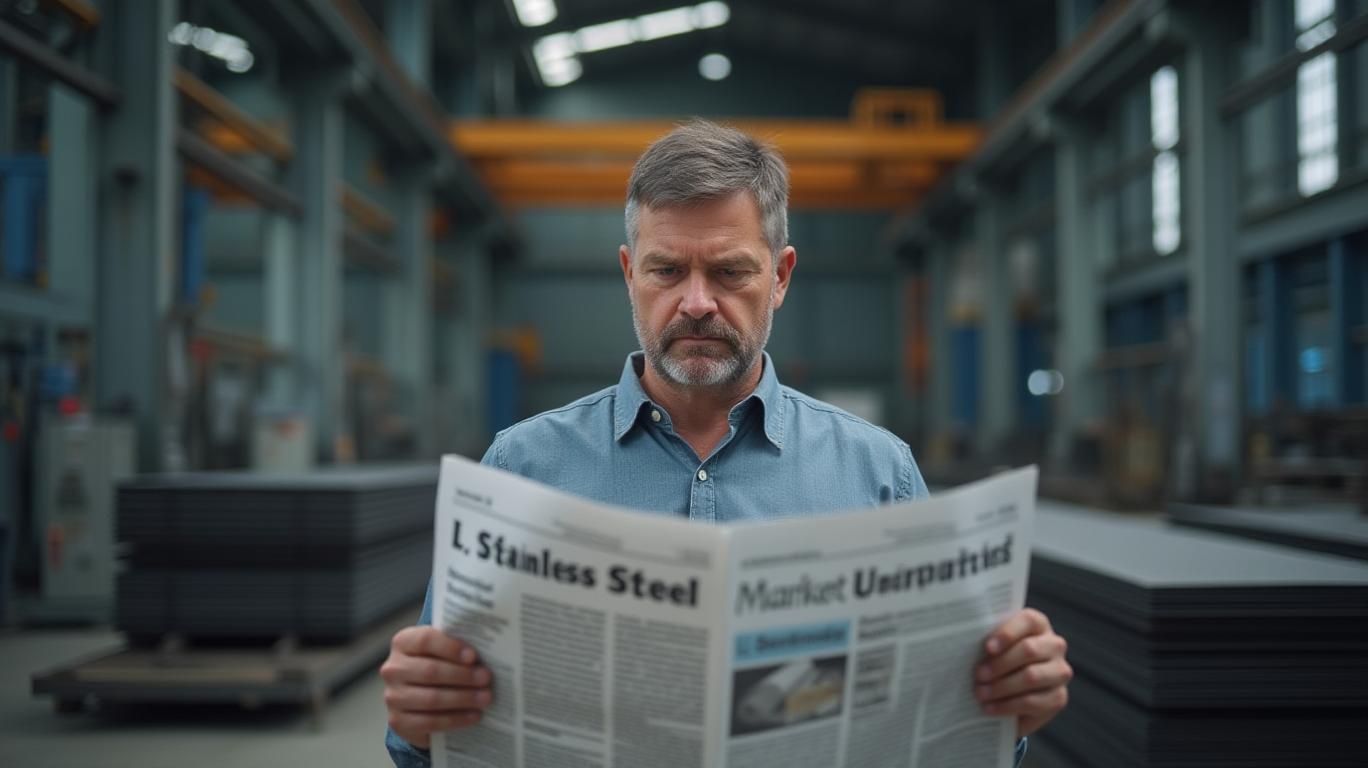
Outokumpu's decision not to invest in cold rolling capacity expansion in the U.S. is primarily driven by two main factors: unpredictable market conditions and increased imports, and the impact of newly introduced tariffs on steel and derivatives in the U.S. These factors align with the company's long-term strategic goals of strengthening its market position further and developing more globally diversified operations.
Unpredictable market conditions and increased imports have led Outokumpu to reassess the feasibility of additional cold rolling capacity investment in the U.S. The company cited the current unpredictable market environment, characterized by significantly increased imports, as a key reason for not proceeding with the capacity expansion. This factor is aligned with the company's long-term strategic goal of strengthening its market position further and developing more globally diversified operations. By waiting for market conditions to stabilize, Outokumpu can better assess the optimal timing for capacity expansion and ensure a more favorable return on investment.
The recent expansion of import tariffs on steel and derivatives in the U.S. has materially impacted Outokumpu's assessment of the market and its decision-making process regarding capacity expansion. The company has stated that it will closely follow the impact of the expanded tariff action, as it may decrease import pressure and potentially alter the feasibility of additional cold rolling capacity investment in the U.S. Outokumpu supports free trade but also believes it is crucial to ensure a level playing field both in the U.S. and Europe. The newly introduced tariffs may help to achieve this balance, which could influence Outokumpu's decision to invest in additional capacity in the U.S.
Outokumpu's decision not to proceed with cold rolling capacity expansion in the U.S. has several potential implications for the U.S. stainless steel market, its competitors, and customers. The company's focus on de-bottlenecking investments and productivity improvements instead of capacity expansion may lead to a slower increase in supply compared to what was initially planned. This could potentially tighten the supply situation in the U.S. stainless steel market, especially if demand continues to grow. A tighter supply situation could put upward pressure on prices, although the impact on pricing will depend on various factors, including the demand growth rate, imports from other regions, and the response of other producers in the market.
Outokumpu's decision may create an opportunity for its competitors to increase their market share. If the supply situation tightens, competitors may be able to capture more demand by increasing their production or imports. However, this will depend on their own production capacities and the availability of raw materials. The extension of the hot rolling service agreement with AM/NS until 2051 could strengthen their position in the market, as they will continue to provide services to Outokumpu. This could potentially lead to increased demand for their services from other producers as well.
U.S. manufacturers may face challenges in sourcing stainless steel if the supply situation tightens. This could lead to increased costs or difficulties in maintaining production levels. However, the impact will depend on the specific needs and supply chain strategies of each manufacturer. The U.S. defense industry may also be affected, as stainless steel is a critical material for many defense applications. A tighter supply situation could potentially impact the defense industry's ability to maintain production levels or increase costs.
In conclusion, Outokumpu's decision not to proceed with cold rolling capacity expansion in the U.S. could have significant implications for the U.S. stainless steel market, its competitors, and customers. However, the actual impact will depend on various factors, including the response of other producers, demand growth, and the availability of raw materials. As Outokumpu continues to assess the possible cold rolling capacity expansion in the U.S., the market will closely watch the company's next moves and the potential impact on the stainless steel industry.
Outokumpu, a leading global stainless steel producer, has announced its decision not to proceed with cold rolling capacity expansion in the U.S. at this point in time. The company's strategic move comes amid unpredictable market conditions and significantly increased imports, as well as the impact of newly introduced tariffs on steel and derivatives in the U.S. This article explores the reasons behind Outokumpu's decision and its potential implications for the U.S. stainless steel market, competitors, and customers.
Outokumpu's decision not to invest in cold rolling capacity expansion in the U.S. is primarily driven by two main factors: unpredictable market conditions and increased imports, and the impact of newly introduced tariffs on steel and derivatives in the U.S. These factors align with the company's long-term strategic goals of strengthening its market position further and developing more globally diversified operations.
Unpredictable market conditions and increased imports have led Outokumpu to reassess the feasibility of additional cold rolling capacity investment in the U.S. The company cited the current unpredictable market environment, characterized by significantly increased imports, as a key reason for not proceeding with the capacity expansion. This factor is aligned with the company's long-term strategic goal of strengthening its market position further and developing more globally diversified operations. By waiting for market conditions to stabilize, Outokumpu can better assess the optimal timing for capacity expansion and ensure a more favorable return on investment.
The recent expansion of import tariffs on steel and derivatives in the U.S. has materially impacted Outokumpu's assessment of the market and its decision-making process regarding capacity expansion. The company has stated that it will closely follow the impact of the expanded tariff action, as it may decrease import pressure and potentially alter the feasibility of additional cold rolling capacity investment in the U.S. Outokumpu supports free trade but also believes it is crucial to ensure a level playing field both in the U.S. and Europe. The newly introduced tariffs may help to achieve this balance, which could influence Outokumpu's decision to invest in additional capacity in the U.S.
Outokumpu's decision not to proceed with cold rolling capacity expansion in the U.S. has several potential implications for the U.S. stainless steel market, its competitors, and customers. The company's focus on de-bottlenecking investments and productivity improvements instead of capacity expansion may lead to a slower increase in supply compared to what was initially planned. This could potentially tighten the supply situation in the U.S. stainless steel market, especially if demand continues to grow. A tighter supply situation could put upward pressure on prices, although the impact on pricing will depend on various factors, including the demand growth rate, imports from other regions, and the response of other producers in the market.
Outokumpu's decision may create an opportunity for its competitors to increase their market share. If the supply situation tightens, competitors may be able to capture more demand by increasing their production or imports. However, this will depend on their own production capacities and the availability of raw materials. The extension of the hot rolling service agreement with AM/NS until 2051 could strengthen their position in the market, as they will continue to provide services to Outokumpu. This could potentially lead to increased demand for their services from other producers as well.
U.S. manufacturers may face challenges in sourcing stainless steel if the supply situation tightens. This could lead to increased costs or difficulties in maintaining production levels. However, the impact will depend on the specific needs and supply chain strategies of each manufacturer. The U.S. defense industry may also be affected, as stainless steel is a critical material for many defense applications. A tighter supply situation could potentially impact the defense industry's ability to maintain production levels or increase costs.
In conclusion, Outokumpu's decision not to proceed with cold rolling capacity expansion in the U.S. could have significant implications for the U.S. stainless steel market, its competitors, and customers. However, the actual impact will depend on various factors, including the response of other producers, demand growth, and the availability of raw materials. As Outokumpu continues to assess the possible cold rolling capacity expansion in the U.S., the market will closely watch the company's next moves and the potential impact on the stainless steel industry.

Divulgación editorial y transparencia de la IA: Ainvest News utiliza tecnología avanzada de Modelos de Lenguaje Largo (LLM) para sintetizar y analizar datos de mercado en tiempo real. Para garantizar los más altos estándares de integridad, cada artículo se somete a un riguroso proceso de verificación con participación humana.
Mientras la IA asiste en el procesamiento de datos y la redacción inicial, un miembro editorial profesional de Ainvest revisa, verifica y aprueba de forma independiente todo el contenido para garantizar su precisión y cumplimiento con los estándares editoriales de Ainvest Fintech Inc. Esta supervisión humana está diseñada para mitigar las alucinaciones de la IA y garantizar el contexto financiero.
Advertencia sobre inversiones: Este contenido se proporciona únicamente con fines informativos y no constituye asesoramiento profesional de inversión, legal o financiero. Los mercados conllevan riesgos inherentes. Se recomienda a los usuarios que realicen una investigación independiente o consulten a un asesor financiero certificado antes de tomar cualquier decisión. Ainvest Fintech Inc. se exime de toda responsabilidad por las acciones tomadas con base en esta información. ¿Encontró un error? Reportar un problema


SOBRE NOSOTROS
Nuestra historiaAutores de noticiasBase de conocimientosPolítica de privacidadTérmino de usoDescargo de responsabilidad de corretaje de tercerosTérminos de uso de AIMEDivulgaciones de riesgos de AInvest AICarrerasCONTÁCTENOS
Email: support@ainvest.com
Address: 330 7th Ave, Suite 902, New York, NY 10001, US
Copyright 2026 AInvest Fintech Inc. All rights reserved.


Comentarios
Aún no hay comentarios