
OSHA Compliance: How Refresher Training Gaps Risk Employer Penalties
- Employers commonly experience OSHA compliance gaps during annual refresher training.
- Refresher courses reinforce hazard awareness and safety protocols for workers.
- Proper documentation proves critical during OSHA inspections and incident reviews.
- Online training platforms help organizations fulfill recurring requirements efficiently.
As regulatory scrutiny intensifies, OSHA-mandated annual refresher training emerges as a critical pain point for employers nationwide. Compliance gaps often surface during follow-up sessions despite solid initial safety training. These recurring requirements embedded in OSHA standards help maintain workforce preparedness for hazards. Neglecting them risks costly penalties and endangers employees. Companies now seek efficient solutions before inspections occur.
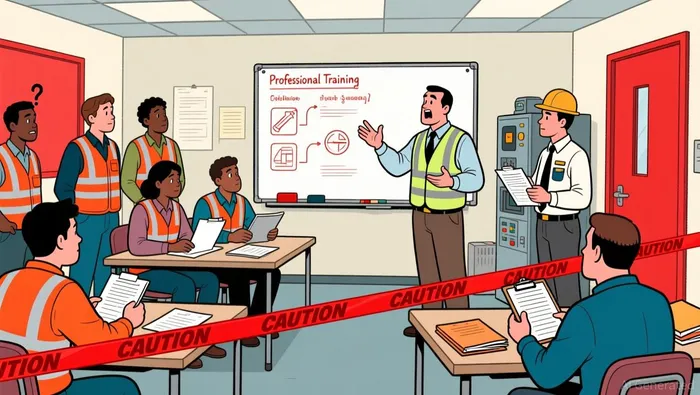
Why Are Annual Refreshers Crucial for OSHA Compliance?
Refresher training addresses compliance lapses where employers frequently stumble. Unlike introductory programs, these sessions reinforce existing knowledge of hazards and safety protocols. Curtis Chambers, a board-certified safety professional, observes employers typically excel at initial training but falter during recurring updates. Such gaps leave organizations vulnerable during OSHA audits. Consistent refreshers demonstrate proactive safety commitment to regulators.
What Industries Face OSHA Refresher Training Mandates?
Annual requirements span construction, manufacturing, and environmental services sectors. Key topics include HAZWOPER 8-hour courses, respiratory protection, and hazard communication standards. Energy companies and general industry employers must also comply. Training providers like CITI Program serve healthcare and research institutions needing specialized OSHA-aligned content. Their courses help top-ranked hospitals maintain compliance through accredited programs.
How Can Employers Maintain Effective OSHA Documentation?
Digital training platforms minimize operational disruptions while ensuring consistency. Employees complete courses individually on flexible schedules, while employers retain standardized records. These documents become vital evidence during OSHA inspections or workplace incident investigations. Reliable records prove regulatory adherence and mitigate liability risks. Centralized tracking systems help organizations avoid documentation failures that trigger violations.







Comentarios
Aún no hay comentarios