
New Orleans Rises: How Climate-Resilient Infrastructure is Fueling Urban Renewal
New Orleans, long synonymous with vulnerability to hurricanes, is undergoing a quiet transformation. Far from being a cautionary tale of climate fragility, the city is emerging as a model of climate-resilient urban redevelopment—positioned to capitalize on federal funding, green energy innovation, and tourism diversification. The aftermath of Hurricane Idalia (2023), though largely sparing the city directly, acted as a catalyst for accelerating infrastructure investments that could redefine its economic future. Here's why investors should pay attention.
The Catalyst: Post-Idalia Resilience Spending
While Idalia's strongest impacts were felt in Florida and the Carolinas, its $3.6 billion damage tally and rapid intensification underscored a broader truth: coastal cities must adapt or risk obsolescence. New Orleans, still recovering from Hurricane Ida in 2021, leveraged the storm to secure $140 million in federal grants through programs like the Infrastructure Investment and Jobs Act (IIJA). Key projects include:
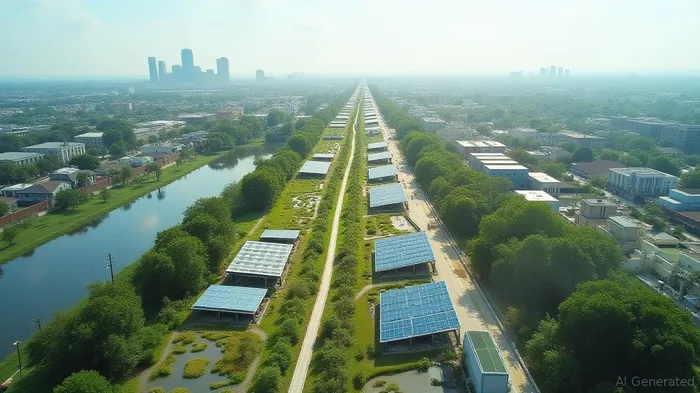
- $49.9 million for the “NO CARBON” initiative, deploying solar microgrids and energy efficiency programs in vulnerable neighborhoods like the Lower Ninth Ward.
- $9.3 million to expand electric vehicle (EV) charging infrastructure, aligning with Biden's climate goals and boosting tourism appeal for eco-conscious travelers.
- $8 million for urban reforestation and community-led tree-planting programs, reducing urban heat islands and enhancing air quality.
These projects aren't just about survival—they're about attracting industries and talent demanding sustainable living.
Tourism 2.0: Beyond BourbonBYON-- Street
New Orleans' tourism economy, which generates $10.3 billion annually, is diversifying beyond its music and culinary heritage. The city is now marketing itself as a destination for climate-conscious travelers, with initiatives like:
- Green Hotel Certifications: Partnerships with the Global Sustainable Tourism Council to accredit hotels for water conservation and renewable energy use.
- Resilience Tours: Educational excursions highlighting flood protection systems and wetlands restoration, appealing to eco-tourists.
- Tech Conventions: Leveraging its growing tech sector (see below) to host sustainability-focused conferences, reducing reliance on seasonal tourism.
The Quiet Rise of Green Infrastructure Investing
While Idalia's direct impact on New Orleans was limited, its indirect effect on federal policy was profound. The 2025 reversal of FEMA's equity-focused mitigation guidelines—removing references to climate change and social vulnerability—has paradoxically galvanized local governments. New Orleans is now self-financing equity-driven resilience projects, such as:
- $4 million for Bayou Bienvenue wetlands restoration, creating jobs while protecting low-income communities from storm surge.
- $2 million to remediate contaminated brownfield sites, repurposing them for affordable housing and small businesses.
This proactive approach aligns with ESG investment trends, as funds like the $2.3 billion Louisiana Green Infrastructure Fund target projects blending profitability with environmental impact.
Corporate Realities: Why Businesses Are Looking South
While direct corporate relocations to New Orleans post-Idalia are scarce, the city's strategic location (near 12% of U.S. oil refining capacity and the Mississippi River) and resilience-driven infrastructure are attracting industries indirectly:
- Port of New Orleans Modernization: A $7.1 million federal grant is upgrading its cargo terminals with electric equipment, drawing logistics firms seeking carbon-neutral shipping hubs.
- Renewable Energy Synergy: Solar and wind projects in Louisiana are booming, with Entergy Louisiana (ETG) investing $1.5 billion in grid upgrades to support renewables.
The city's workforce development programs, such as partnerships between Nunez Community College and maritime employers, ensure a skilled labor pool for green industries.
Risks and the Investment Thesis
No opportunity is risk-free. New Orleans faces insurance affordability crises (70% of residents lack flood coverage) and federal policy uncertainty. Yet these challenges are being addressed through state grants for home fortification and private-public partnerships like the Louisiana Resilience Assistance Program.
For investors, the entry points are clear:
1. Infrastructure ETFs: Funds like the SPDR S&P Infrastructure (XINF), which includes firms involved in U.S. coastal resilience projects.
2. Real Estate: Look to firms like Greystar Real Estate (GSRE), which is developing mixed-income housing near newly protected wetlands.
3. Green Bonds: The city's $200 million climate resilience bond issuance in 2024 offers steady returns tied to flood protection outcomes.
Conclusion
New Orleans is no longer a “city on the edge.” By marrying federal funding with private innovation, it's transforming climate risk into a competitive advantage. For investors, the opportunity lies in backing the infrastructure and industries that will make this city—and others like it—the blueprint for 21st-century urban resilience.
The message is clear: when it comes to climate resilience, New Orleans isn't just surviving—it's thriving.







Comentarios
Aún no hay comentarios