
Operational Risks and Investment Resilience in the Copper Sector: Lessons from the Glencore Lomas Bayas Fire
The global copper market, already reeling from supply constraints in 2025, faced a new shock on September 30, 2025, when a fire engulfed Glencore's Lomas Bayas mine in Chile's Atacama Desert. This incident, which disrupted operations at a facility producing 74,000 metric tons of copper annually (1.5% of Chile's total output), underscores the fragility of critical mineral supply chains and the cascading risks for investors, according to a Discovery Alert report. As copper demand surges for energy transition technologies and infrastructure projects, operational disruptions at key mines like Lomas Bayas amplify volatility, test investor patience, and expose strategic vulnerabilities in the sector.
The Lomas Bayas Fire: A Supply Chain Shock
The fire at Lomas Bayas, which originated in the mine's processing facilities or waste yard, forced an immediate shutdown of operations and evacuation of personnel, though no injuries were reported, Reuters reported. Analysts estimate that a prolonged closure could remove 20,000–30,000 tons of copper from global markets, exacerbating an existing 150,000-ton deficit in 2025, Mining.com estimated. This is particularly concerning given that global copper inventories are at multi-year lows, and prices had already risen 4.2% in September 2025 due to pre-existing supply-side pressures, as Mining.com noted.
Lomas Bayas, which processes low-grade ore (0.25% copper content) using heap leaching technology, is a critical asset for Glencore, contributing to its annual production guidance of 850,000–910,000 tons, according to a Glencore Chile interview. The mine's operational efficiency and safety record-having achieved 2 million hours without lost-time accidents in 2025-had previously positioned it as a strategic pillar for the company, as highlighted in a Hexagon Mining blog. However, the fire highlights the inherent risks of operating in a resource-constrained environment, where water scarcity and aging infrastructure compound vulnerabilities, as The Times reported.
Investor Sentiment: Frustration and Strategic Uncertainty
The incident has intensified investor scrutiny of Glencore's operational and strategic management. Copper production at the company had already declined by 30% year-over-year in Q1 2025 due to issues at other mines, such as Collahuasi and Antapaccay, and shares had fallen 30% over three years . Institutional investors, already critical of the company's lack of a clear growth strategy, are now questioning its ability to navigate operational disruptions and maintain production targets .
The fire also intersects with Glencore's broader financial challenges. The company, which announced plans to sell its Chilean copper operations in 2025 as part of a debt-reduction strategy, faces pressure to balance short-term liquidity needs with long-term operational stability . While some analysts view the potential sale of Lomas Bayas as a strategic move to attract buyers in a volatile market, others argue it reflects a lack of confidence in the mine's resilience .
Building Investment Resilience in a Volatile Sector
The Lomas Bayas incident underscores the need for investors to adopt a dual focus on operational risk management and strategic adaptability. Key considerations include:
- Diversification of Supply Chains: Investors should prioritize companies with geographically diversified portfolios to mitigate regional disruptions. For example, firms with operations in both copper-rich regions (e.g., Chile, Peru) and emerging markets (e.g., Africa, Indonesia) may offer greater stability .
- Technological Innovation: Mines leveraging advanced technologies-such as real-time monitoring systems, automation, and electrochemical leaching-can reduce operational risks and improve efficiency, as seen in Lomas Bayas' prior investments .
- Regulatory and Environmental Preparedness: Companies that proactively address water scarcity, environmental regulations, and community relations are better positioned to withstand crises. Glencore's prior focus on safety and efficiency at Lomas Bayas, though commendable, may need to be expanded to address broader sustainability challenges .
Conclusion
The fire at Glencore's Lomas Bayas mine is a stark reminder of the operational risks embedded in the copper sector. While such events are often unforeseen, their impact on supply chains and investor sentiment is magnified by pre-existing vulnerabilities. For investors, resilience lies in supporting companies that combine robust risk management with strategic innovation. As the energy transition accelerates demand for copper, the ability to navigate operational shocks will separate resilient players from those left behind.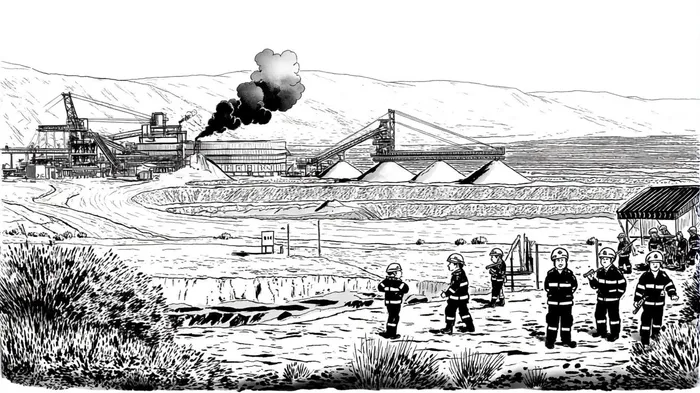







Comentarios
Aún no hay comentarios