
OpenAI's Strategic Moves to Resist Elon Musk's Influence
Generado por agente de IAHarrison Brooks
sábado, 22 de febrero de 2025, 10:40 am ET2 min de lectura
GPCR--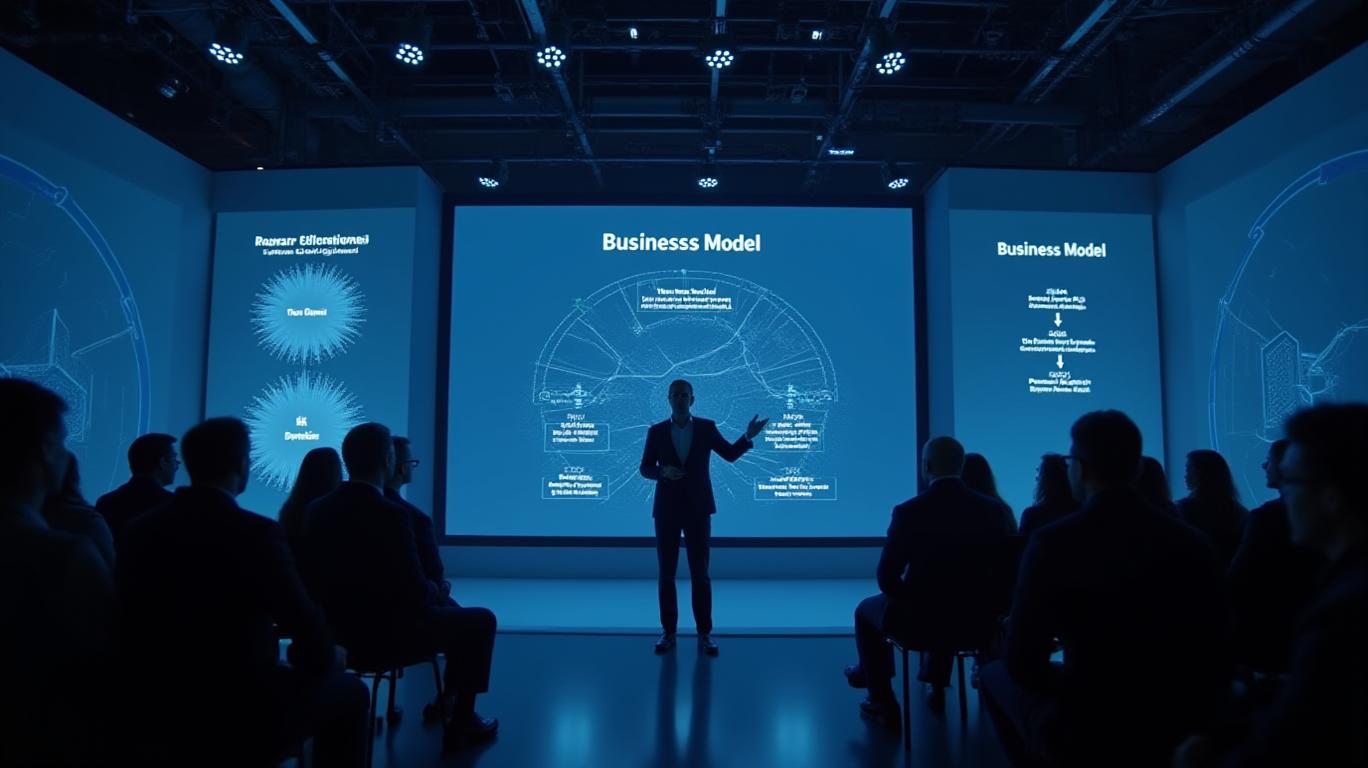
OpenAI, the renowned AI research organization, has been making strategic moves to protect its mission and independence from Elon Musk's influence. With a mission to ensure that artificial general intelligence (AGI) benefits all of humanity, OpenAI has implemented a hybrid business model that balances the need for financial resources with maintaining its nonprofit mission. This approach has enabled the organization to maintain its independence and pursue its goals without being unduly influenced by Musk.
One of the key strategic moves OpenAI has made is establishing a capped-profit structure. This structure allows the organization to raise capital while advancing ethical AI development. By limiting investors' returns to a capped amount, OpenAI ensures that its mission remains the primary focus, even as it secures the resources necessary to drive innovation in the AI space. This approach has been largely effective in protecting OpenAI's mission and independence from Musk's influence.
Another strategic move OpenAI has made is transitioning its for-profit arm into a Delaware Public Benefit Corporation (PBC). This structure mandates that PBCs balance stockholder interests with public good, further protecting OpenAI's mission. By becoming a PBC, OpenAI strengthens its commitment to ethical AI development and the public good, making it more difficult for external parties, like Musk, to pressure the company into making decisions that prioritize financial gains over its mission.
OpenAI has also raised massive funding, largely backed by Microsoft, to maintain its independence and pursue its mission without relying on Musk's financial support. This significant funding allows OpenAI to invest in cutting-edge research and development, while its nonprofit roots ensure that the mission of benefiting all of humanity remains at the core of its operations.
In addition to these strategic moves, OpenAI has taken steps to distance itself from Musk's influence. In 2018, OpenAI fired Musk from its board, asserting that his role at Tesla and SpaceX created a conflict of interest. This move helped to distance OpenAI from Musk's influence and maintain its independence.
While OpenAI's hybrid business model and strategic moves have been largely effective in protecting its mission and independence from Musk's influence, the ongoing legal dispute between Musk and OpenAI demonstrates that the relationship between the two parties remains complex and contentious. As OpenAI continues to grow and innovate in the AI space, it will be crucial for the organization to maintain its focus on its mission and resist external pressures, such as those from Musk.
In conclusion, OpenAI's strategic moves to protect its mission and independence from Elon Musk's influence have been largely effective. By establishing a hybrid business model, securing significant funding, and maintaining a strong commitment to ethical AI development, OpenAI has been able to pursue its mission without being unduly influenced by Musk. However, the ongoing legal dispute between Musk and OpenAI highlights the need for OpenAI to remain vigilant and continue to protect its mission and independence in the face of external pressures.
MSFT--
TSLA--
OpenAI, the renowned AI research organization, has been making strategic moves to protect its mission and independence from Elon Musk's influence. With a mission to ensure that artificial general intelligence (AGI) benefits all of humanity, OpenAI has implemented a hybrid business model that balances the need for financial resources with maintaining its nonprofit mission. This approach has enabled the organization to maintain its independence and pursue its goals without being unduly influenced by Musk.
One of the key strategic moves OpenAI has made is establishing a capped-profit structure. This structure allows the organization to raise capital while advancing ethical AI development. By limiting investors' returns to a capped amount, OpenAI ensures that its mission remains the primary focus, even as it secures the resources necessary to drive innovation in the AI space. This approach has been largely effective in protecting OpenAI's mission and independence from Musk's influence.
Another strategic move OpenAI has made is transitioning its for-profit arm into a Delaware Public Benefit Corporation (PBC). This structure mandates that PBCs balance stockholder interests with public good, further protecting OpenAI's mission. By becoming a PBC, OpenAI strengthens its commitment to ethical AI development and the public good, making it more difficult for external parties, like Musk, to pressure the company into making decisions that prioritize financial gains over its mission.
OpenAI has also raised massive funding, largely backed by Microsoft, to maintain its independence and pursue its mission without relying on Musk's financial support. This significant funding allows OpenAI to invest in cutting-edge research and development, while its nonprofit roots ensure that the mission of benefiting all of humanity remains at the core of its operations.
In addition to these strategic moves, OpenAI has taken steps to distance itself from Musk's influence. In 2018, OpenAI fired Musk from its board, asserting that his role at Tesla and SpaceX created a conflict of interest. This move helped to distance OpenAI from Musk's influence and maintain its independence.
While OpenAI's hybrid business model and strategic moves have been largely effective in protecting its mission and independence from Musk's influence, the ongoing legal dispute between Musk and OpenAI demonstrates that the relationship between the two parties remains complex and contentious. As OpenAI continues to grow and innovate in the AI space, it will be crucial for the organization to maintain its focus on its mission and resist external pressures, such as those from Musk.
In conclusion, OpenAI's strategic moves to protect its mission and independence from Elon Musk's influence have been largely effective. By establishing a hybrid business model, securing significant funding, and maintaining a strong commitment to ethical AI development, OpenAI has been able to pursue its mission without being unduly influenced by Musk. However, the ongoing legal dispute between Musk and OpenAI highlights the need for OpenAI to remain vigilant and continue to protect its mission and independence in the face of external pressures.

Divulgación editorial y transparencia de la IA: Ainvest News utiliza tecnología avanzada de Modelos de Lenguaje Largo (LLM) para sintetizar y analizar datos de mercado en tiempo real. Para garantizar los más altos estándares de integridad, cada artículo se somete a un riguroso proceso de verificación con participación humana.
Mientras la IA asiste en el procesamiento de datos y la redacción inicial, un miembro editorial profesional de Ainvest revisa, verifica y aprueba de forma independiente todo el contenido para garantizar su precisión y cumplimiento con los estándares editoriales de Ainvest Fintech Inc. Esta supervisión humana está diseñada para mitigar las alucinaciones de la IA y garantizar el contexto financiero.
Advertencia sobre inversiones: Este contenido se proporciona únicamente con fines informativos y no constituye asesoramiento profesional de inversión, legal o financiero. Los mercados conllevan riesgos inherentes. Se recomienda a los usuarios que realicen una investigación independiente o consulten a un asesor financiero certificado antes de tomar cualquier decisión. Ainvest Fintech Inc. se exime de toda responsabilidad por las acciones tomadas con base en esta información. ¿Encontró un error? Reportar un problema


SOBRE NOSOTROS
Nuestra historiaAutores de noticiasBase de conocimientosPolítica de privacidadTérmino de usoDescargo de responsabilidad de corretaje de tercerosTérminos de uso de AIMEDivulgaciones de riesgos de AInvest AICarrerasCONTÁCTENOS
Email: support@ainvest.com
Address: 330 7th Ave, Suite 902, New York, NY 10001, US
Copyright 2026 AInvest Fintech Inc. All rights reserved.


Comentarios
Aún no hay comentarios