
OpenAI's Foray into Robotics: A New Frontier in AI Development
PorAinvest
martes, 16 de septiembre de 2025, 6:36 am ET2 min de lectura
NVDA--
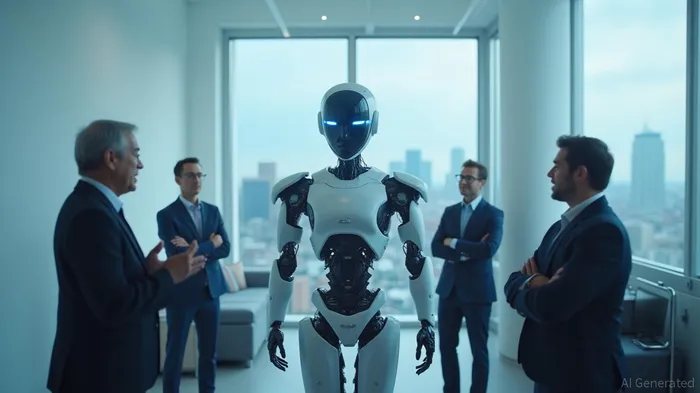
OpenAI's renewed interest in robotics comes as the company seeks to develop algorithms capable of interacting with the physical world, a crucial step toward AGI. The company has recruited researchers with expertise in developing AI algorithms for humanoid robots, as well as specialists in teleoperation and simulation, such as those familiar with Nvidia's Isaac platform [1].
The job listings indicate that OpenAI is putting together a team capable of creating systems that can be trained through teleoperation and simulation. This approach involves a human operator performing tasks and controlling the robot's limbs, while an algorithm learns to mimic these actions [1].
While OpenAI has not commented on its specific plans, the company's job listings suggest that it may be considering developing its own humanoid robots or collaborating with other companies in the field. One job posting calls for a mechanical engineer with experience in prototyping and building robot systems with sensors for touch and motion, indicating a potential focus on hardware development [1].
OpenAI's return to robotics positions the company against major players like Tesla and Google, which are also investing in humanoid robots. The market for humanoid robots is predicted to reach $5 trillion by 2050, driven by advancements in hardware and software, as well as increased investment from venture capitalists [1][2].
Despite the significant challenges in developing humanoid robots, the field is gaining momentum. Companies like Nexcom have unveiled new humanoid robot controllers, such as the MARS400 T10, which integrates AI computing, motion control, and functional safety systems into a single modular platform [2]. This controller supports up to 2070 FP4 TFLOPS and leverages Nvidia's CUDA-accelerated robotics libraries, helping manufacturers cut development time while meeting international safety standards [2].
In conclusion, OpenAI's expansion into robotics signals a shift in the company's focus toward achieving AGI. The company's efforts in this area position it against major competitors and indicate a recognition that software and data alone may not suffice to reach ultimate AI goals. The market for humanoid robots is predicted to grow significantly in the coming years, driven by advancements in technology and increased investment.
OpenAI is expanding its focus on robotics, forming a new team dedicated to humanoid robots as a step toward achieving general artificial intelligence (AGI). The company is recruiting experts in humanoid robot control algorithms and seeking specialists with experience in remote operation and simulation, such as those familiar with Nvidia's Isaac platform. OpenAI's return to robotics positions it against major players like Tesla and Google, signaling that software and data alone may not suffice to reach ultimate AI goals. The company may develop its own hardware or collaborate with others, with a market predicted to reach $5 trillion by 2050.
OpenAI, a leading AI company, is ramping up its efforts in the field of robotics, signaling a renewed focus on achieving general artificial intelligence (AGI). The company has recently formed a new team dedicated to humanoid robots, hiring experts in AI algorithms for controlling humanoid and other types of robots [1].OpenAI's renewed interest in robotics comes as the company seeks to develop algorithms capable of interacting with the physical world, a crucial step toward AGI. The company has recruited researchers with expertise in developing AI algorithms for humanoid robots, as well as specialists in teleoperation and simulation, such as those familiar with Nvidia's Isaac platform [1].
The job listings indicate that OpenAI is putting together a team capable of creating systems that can be trained through teleoperation and simulation. This approach involves a human operator performing tasks and controlling the robot's limbs, while an algorithm learns to mimic these actions [1].
While OpenAI has not commented on its specific plans, the company's job listings suggest that it may be considering developing its own humanoid robots or collaborating with other companies in the field. One job posting calls for a mechanical engineer with experience in prototyping and building robot systems with sensors for touch and motion, indicating a potential focus on hardware development [1].
OpenAI's return to robotics positions the company against major players like Tesla and Google, which are also investing in humanoid robots. The market for humanoid robots is predicted to reach $5 trillion by 2050, driven by advancements in hardware and software, as well as increased investment from venture capitalists [1][2].
Despite the significant challenges in developing humanoid robots, the field is gaining momentum. Companies like Nexcom have unveiled new humanoid robot controllers, such as the MARS400 T10, which integrates AI computing, motion control, and functional safety systems into a single modular platform [2]. This controller supports up to 2070 FP4 TFLOPS and leverages Nvidia's CUDA-accelerated robotics libraries, helping manufacturers cut development time while meeting international safety standards [2].
In conclusion, OpenAI's expansion into robotics signals a shift in the company's focus toward achieving AGI. The company's efforts in this area position it against major competitors and indicate a recognition that software and data alone may not suffice to reach ultimate AI goals. The market for humanoid robots is predicted to grow significantly in the coming years, driven by advancements in technology and increased investment.


Divulgación editorial y transparencia de la IA: Ainvest News utiliza tecnología avanzada de Modelos de Lenguaje Largo (LLM) para sintetizar y analizar datos de mercado en tiempo real. Para garantizar los más altos estándares de integridad, cada artículo se somete a un riguroso proceso de verificación con participación humana.
Mientras la IA asiste en el procesamiento de datos y la redacción inicial, un miembro editorial profesional de Ainvest revisa, verifica y aprueba de forma independiente todo el contenido para garantizar su precisión y cumplimiento con los estándares editoriales de Ainvest Fintech Inc. Esta supervisión humana está diseñada para mitigar las alucinaciones de la IA y garantizar el contexto financiero.
Advertencia sobre inversiones: Este contenido se proporciona únicamente con fines informativos y no constituye asesoramiento profesional de inversión, legal o financiero. Los mercados conllevan riesgos inherentes. Se recomienda a los usuarios que realicen una investigación independiente o consulten a un asesor financiero certificado antes de tomar cualquier decisión. Ainvest Fintech Inc. se exime de toda responsabilidad por las acciones tomadas con base en esta información. ¿Encontró un error? Reportar un problema


SOBRE NOSOTROS
Nuestra historiaAutores de noticiasBase de conocimientosPolítica de privacidadTérmino de usoDescargo de responsabilidad de corretaje de tercerosTérminos de uso de AIMEDivulgaciones de riesgos de AInvest AICarrerasCONTÁCTENOS
Email: support@ainvest.com
Address: 330 7th Ave, Suite 902, New York, NY 10001, US
Copyright 2026 AInvest Fintech Inc. All rights reserved.


Comentarios
Aún no hay comentarios