
OPEC+'s Strategic Resilience Amid Israel-Iran Conflict Volatility
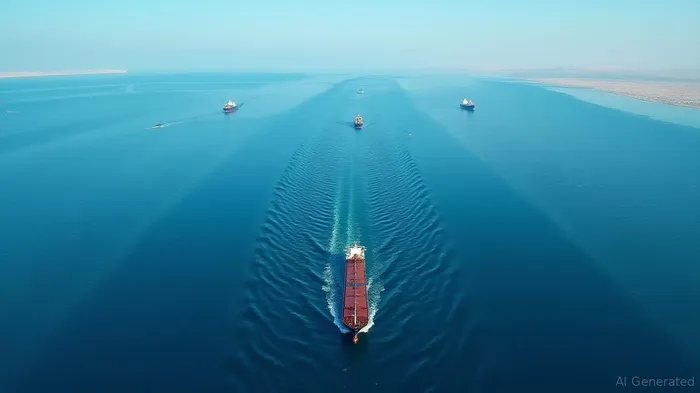
The Israel-Iran conflict has thrust global oil markets into a new era of geopolitical volatility, with prices spiking to $74 per barrel in mid-June 2025 amid fears of a disruption to the Strait of Hormuz—a chokepoint for 25% of the world's oil supply. Yet amid this turmoil, OPEC+ has emerged as a linchpin of stability, leveraging its adaptive production policies and strategic restraint to insulate markets from the worst excesses of the crisis. For investors, this resilience underscores the case for maintaining exposure to energy assets or adopting long positions in oil futures, as OPEC+'s ability to balance supply and demand in the face of conflict could sustain prices above $70/barrel for the foreseeable future.
OPEC+ as the Market's Ballast
The cartel's response to the Israel-Iran conflict has been measured yet decisive. Despite rising tensions, OPEC+ has avoided panic-driven production cuts or surges, instead relying on its spare capacity and coordinated output adjustments to steady prices. Data from May 2025 shows global oil supply rose by 330,000 barrels per day (b/d) to 105 million b/d, with OPEC+ and non-OPEC+ producers contributing equally—a balance that reflects the group's discipline. This contrasts sharply with the 2020s, when ad-hoc decisions by OPEC+ members exacerbated market swings.
Crucially, OPEC+ has maintained flexibility to counteract disruptions. If the Strait of Hormuz were blocked—a scenario analysts warn could push Brent prices toward $120/barrel—the group could accelerate the unwinding of its voluntary cuts (currently at 2 million b/d) to offset supply losses. Such a move would require Gulf producers like Saudi Arabia and the UAE to ramp up output using their 6-8 million b/d of spare capacity, a tool they've used sparingly to preserve long-term market influence.
The Absence of U.S. Intervention as an Advantage
The U.S. has delayed aggressive action to cool oil markets, a shift from its 2021 playbook of flooding markets with strategic petroleum reserves (SPR). This restraint is a blessing in disguise for OPEC+. With U.S. SPRSPR-- inventories already at 35-year lows (417 million barrels as of May 2025), further releases would risk depleting these reserves without addressing the structural risks posed by the Iran-Israel conflict.
Washington's reluctance to intervene has left OPEC+ as the sole actor capable of stabilizing prices. This dynamic benefits energy investors, as the cartel's credibility reduces the likelihood of a prolonged price collapse. Even if the Strait of Hormuz remains open, the mere threat of disruption keeps a floor under prices—exactly OPEC+'s aim.
The Investment Case: Energy Exposure and Oil Futures
The interplay of geopolitical risk and OPEC+ discipline creates a favorable backdrop for energy sector investments. For equity investors, diversified energy companies with exposure to OPEC+ producers—such as ExxonMobil (XOM) or Chevron (CVX)—offer both dividend stability and upside from higher prices.
For those seeking direct exposure, long positions in oil futures (e.g., NYMEX crude contracts) remain compelling. The June 13 spike to $74/barrel was met with buying from institutional investors, a sign of confidence in OPEC+'s ability to mitigate supply shocks. While short-term volatility will persist, the cartel's control over 40% of global oil production and its geopolitical neutrality (despite Gulf states' ties to Israel) insulate it from the conflict's direct effects.
Risks and Considerations
Investors must weigh risks, including a potential Strait closure or a broader regional war. However, OPEC+'s track record—such as its handling of the Russia-Ukraine war's impact on markets—suggests it will prioritize stability. Additionally, global inventories, while rising, remain 90 million b/d below 2024 levels, limiting downside potential.
Conclusion
The Israel-Iran conflict has introduced unprecedented volatility to oil markets, but OPEC+'s strategic resilience has transformed this uncertainty into an opportunity. By avoiding overreaction and maintaining control over production, the cartel has insulated prices from panic-driven spikes while ensuring a floor against geopolitical shocks. For investors, this stability reinforces the case for energy exposure or long oil positions—a bet on OPEC+'s ability to navigate the storm and emerge as the market's ultimate stabilizer.
In this high-stakes environment, patience and a long-term view will reward those who trust OPEC+'s playbook.







Comentarios
Aún no hay comentarios