
OPEC's Oil Gamble: Why U.S. Shale Stocks Are Still Worth Watching
The oil market is in turmoil. OPEC+'s aggressive production surge in early 2025—boosting output by 411,000 barrels per day (bpd) monthly—has sent prices plummeting to four-year lows, testing the resilience of U.S. shale producers. With Brent crude dipping below $60/bbl and only a partial rebound to $66/bbl, investors are questioning whether U.S. energy stocks can survive this price squeeze. But beneath the headlines, a nuanced opportunity exists for those willing to separate the winners from the losers. Let's dissect the risks, the tech-driven resilience of Permian Basin operators, and how to position for a volatile market.
The OPEC+ Threat: Breakeven Pressures and the Shale Survival Test
OPEC+'s strategy to flood the market is a direct assault on U.S. shale profitability. The mathMATH-- is stark:
- Current oil prices (Brent ~$66/bbl) are below the breakeven costs of many shale producers, which average $65–70/bbl.
- Overproduction by OPEC+ members (e.g., Iraq, UAE) and accelerated output hikes have created a surplus, with global inventories projected to swell by 720,000 bpd in 2025.
The fallout? Shale producers are slashing capital spending—9% in 2025—to preserve cash, while production growth forecasts have been slashed to 440,000 bpd this year. Yet this isn't just a story of decline.
The Permian Advantage: Tech, Efficiency, and the Path to Profitability
The Permian Basin isn't just a shale play—it's a laboratory of innovation. Operators here are deploying cutting-edge tech to slash costs and boost returns:
- AI-Driven Reservoir Management: Companies like Pioneer Natural Resources (PXD) use machine learning to optimize well placement and reduce drilling time by 20–30%.
- Horizontal Drilling and Fracking Efficiency: Advances in multi-stage fracking and longer lateral wells are squeezing more oil from each well, lowering per-barrel costs.
- Operational Lean Processes: Permian operators are reducing lease operating expenses (LOE) by $1–2/bbl annually through automation and data analytics.
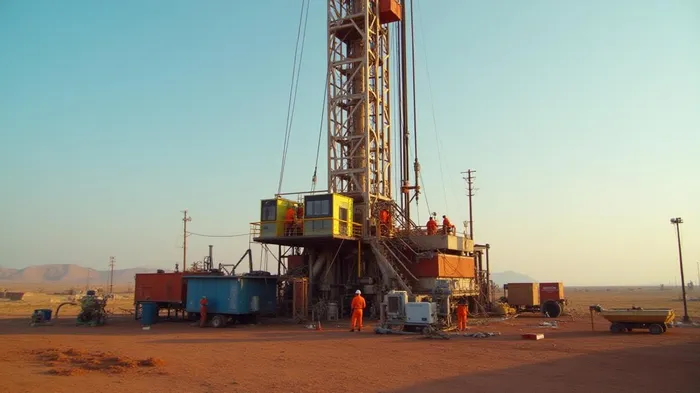
The result? Permian breakeven costs have fallen to $50–55/bbl, making some producers profitable even at $60/bbl. This cost discipline could be the key to surviving—and thriving—during the OPEC+ price war.
Navigating Energy Equities: Where to Bet Now
The oil market's volatility demands a selective approach. Here's how to position your portfolio:
1. Target Permian Basin Pure-Plays with Low Breakeven Costs
Focus on companies with proven tech advantages and strong balance sheets:
- Pioneer Natural Resources (PXD): Permian-centric, with a $55/bbl breakeven and a track record of cost leadership.
- Devon Energy (DVN): Aggressively cutting costs, with $58/bbl breakeven and a focus on high-return wells.
2. Avoid Overleveraged Names
Steer clear of companies with high debt loads and exposure to non-Permian plays. Struggling operators like Continental Resources (CLR), burdened by $2.7 billion in debt, face a liquidity crunch if prices stay below $60/bbl.
3. Hedge Your Bets with ETFs
Consider XLE, the Energy Select Sector SPDR Fund, which offers diversified exposure to majors like Exxon (XOM) and Chevron (CVX). These giants have $60/bbl breakeven costs and can weather short-term volatility.
4. Monitor Geopolitical Triggers
- Trade Deals: A U.S.-China tariff truce could boost demand and stabilize prices.
- Sanctions Risks: Watch for Iran nuclear talks or Russia sanctions easing, which could add 500–1,000 kb/d to supply and crush prices further.
The Bottom Line: A Selective Play for Patient Investors
OPEC+'s price war isn't a death sentence for U.S. shale—it's a Darwinian test. Companies that can cut costs, focus on the Permian, and maintain financial discipline will outlast the downturn.
Act Now:
- Buy dips in PXD and DVN below $50/bbl oil.
- Use stop-losses if prices breach $55/bbl.
- Hedging: Pair equity exposure with short-term oil futures contracts to mitigate downside.
The Permian Basin isn't just surviving—it's evolving. For investors willing to look past the headline price slump, this sector could deliver 20–30% returns if oil stabilizes at $60–65/bbl by late 2025.
Invest with precision, not panic. The shale revolution isn't over—it's just getting smarter.







Comentarios
Aún no hay comentarios