
OPEC+ Dynamics Post-Iran-Israel Conflict: Navigating Energy Shifts in the Gulf
The Iran-Israel conflict of June 2025, though short-lived, has reshaped Middle Eastern geopolitics and OPEC+ dynamics, creating both risks and opportunities for energy investors. With the U.S.-brokered ceasefire easing immediate supply fears but leaving regional alliances in flux, the focus has shifted to OPEC+'s production policies, Gulf infrastructure plays, and the long-term positioning of energy stocks. Here's how investors should navigate this evolving landscape.
OPEC+'s Accelerated Output: A Strategic Rebalance
OPEC+'s decision in August 2025 to boost production by 548,000 barrels per day (b/d)—tripling the prior month's increment—reflects a calculated shift toward market share over price discipline. This acceleration, part of a phased rollback of the group's 2.2 million b/d cuts, aims to counter rising U.S. shale output and Asian LNG imports. Key drivers include:
- Low Global Inventories: OPEC's July report noted “healthy market fundamentals” and a demand rebound in China.
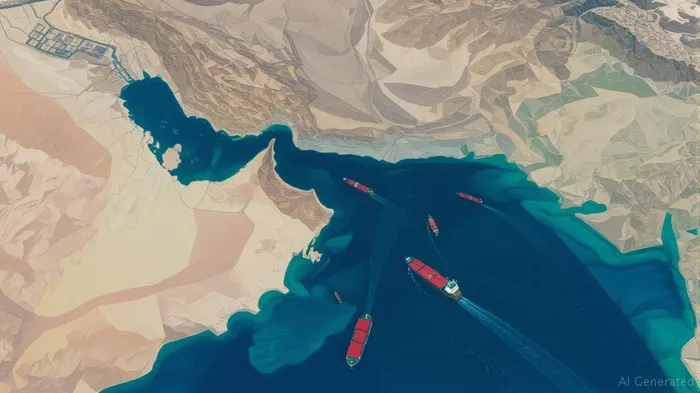
- Geopolitical Risk Mitigation: The Iran-Israel ceasefire reduced fears of Strait of Hormuz blockage, allowing OPEC+ to prioritize economic growth over supply disruption hedging.
The result? A bearish near-term outlook, with analysts forecasting Brent to trade between $60–$65/barrel by year-end. However, this volatility creates buying opportunities in undervalued energy equities.
Regional Power Dynamics and Energy Infrastructure
The UAE and Saudi Arabia are leveraging their dominance to solidify control over energy flows:
- Saudi Arabia's Aggressive Play:
- Output Surge: Saudi crude exports hit 6.4 million b/d in June—the highest since 2024—while domestic consumption for summer power generation peaks at 1.5 million b/d.
- Infrastructure Push: The East-West pipeline and Fujairah terminal (1.8 million b/d capacity) reduce reliance on Hormuz, enabling Saudi Aramco to diversify export routes.
Investment Play: Saudi Aramco's (SE:2222) robust balance sheet and low production costs make it a core holding for energy portfolios.
- UAE's Strategic Expansion:
- Production Rights: The UAE secured an additional 300,000 b/d outside OPEC+ quotas, signaling its ambition to boost output to 4.5 million b/d by 2030.
- Infrastructure Hub: The UAE's Fujairah terminal and Dubai South Energy Park are attracting billions in LNG and refining investments, with TotalEnergiesTTE-- and EquinorEQNR-- leading projects.
Investment Play: ADNOC's (ADX:ADNOC) refining and LNG expansions position it as a top play for Gulf energy infrastructure.
Risks and Opportunities in the Fragile New Normal
While OPEC+'s output hikes and Gulf infrastructure offer growth avenues, risks loom large:
- Compliance Issues: Iraq and Kazakhstan's overproduction (150,000 b/d combined in Q2 2025) threaten to erode OPEC+ cohesion.
- Geopolitical Volatility: Iran's uranium enrichment and U.S. sanctions uncertainty could reignite tensions.
Hedging Strategy: Pair long positions in Gulf energy stocks with short oil futures (e.g., USOIL), capitalizing on production increases while protecting against supply shocks.
Conclusion: Position for Gulf Dominance, Hedge Against Chaos
The post-Iran-Israel energy landscape favors investors who bet on Gulf leadership but remain nimble amid geopolitical risks. Key plays include:
- Core Holdings: Saudi Aramco and ADNOC for their scale and infrastructure investments.
- Infrastructure Plays: UAE's Fujairah terminal and Saudi's East-West pipeline offer tangible growth.
- Hedging Tools: Short oil futures to offset price declines while long-term energy equities benefit from production gains.
Monitor OPEC+ compliance rates and Hormuz tanker traffic closely—these metrics will dictate the next phase of this high-stakes energy game.
Final Note: The Middle East is transitioning from a geopolitical battleground to an energy superpower, but investors must stay vigilant.
Data sources: OPEC Monthly Report, U.S. Energy Information Administration, company filings.





Comentarios
Aún no hay comentarios