
Ontario's Alcohol Ban: A Retaliatory Move Against U.S. Tariffs
Generado por agente de IACyrus Cole
domingo, 2 de febrero de 2025, 1:15 pm ET2 min de lectura
AIG--
Ontario Premier Doug Ford has announced a retaliatory measure against U.S. President Donald Trump's proposed tariffs, ordering the Liquor Control Board of Ontario (LCBO) to remove all American alcohol from its shelves. This move, set to take effect on Tuesday, February 4th, is a direct response to Trump's threat of a 25% tariff on all Canadian and Mexican exports unless they tighten border security. The LCBO, which is the largest wholesaler of alcohol in Canada, sold nearly $1 billion worth of American wine, beer, spirits, and seltzers in 2023.
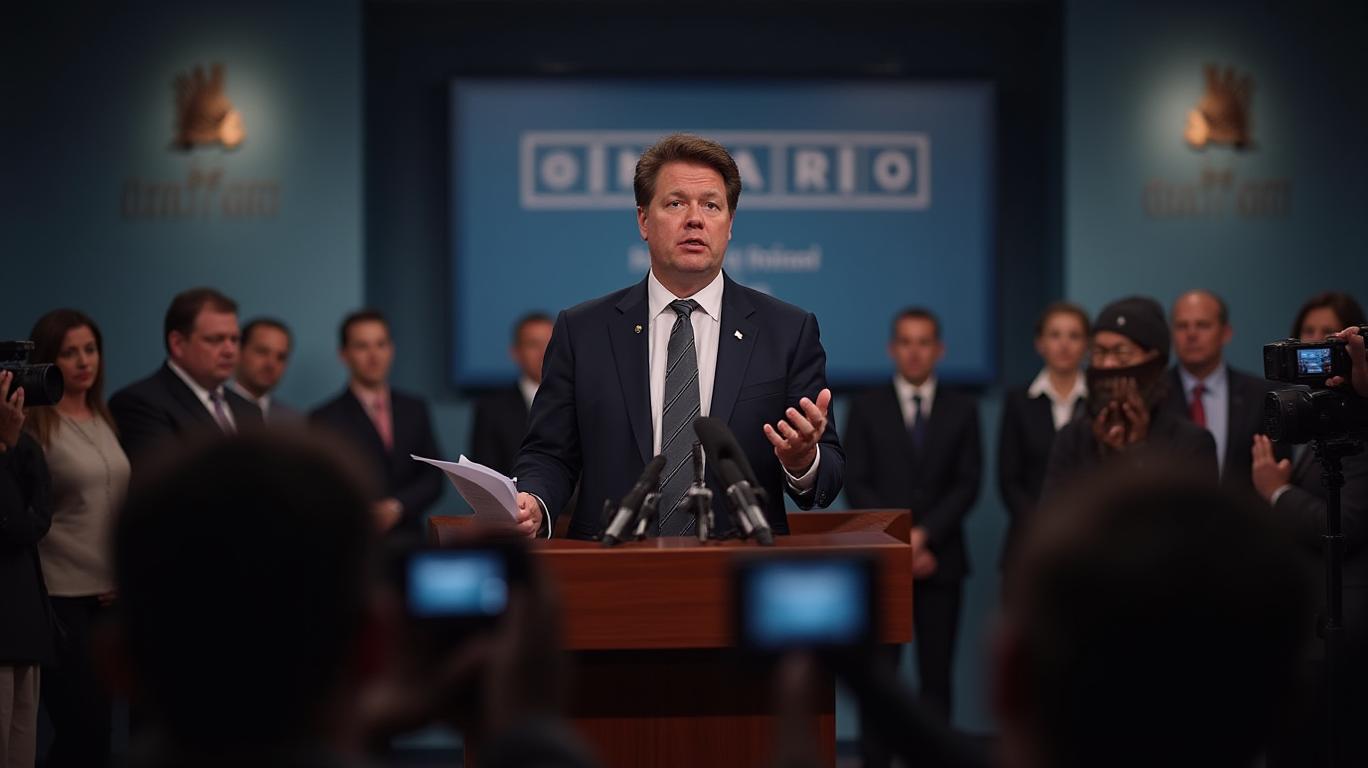
Ford's decision comes just hours after Canadian Prime Minister Justin Trudeau announced retaliatory tariffs worth $155 billion on U.S. goods in response to Trump's proposed tariffs. The LCBO's ban on U.S. alcohol imports is expected to have both short-term and long-term impacts on the local alcohol industry and consumer behavior.
In the short term, the ban could lead to increased demand for local and Canadian products, potentially causing temporary shortages or stockouts. Price fluctuations may also occur, with some local and Canadian products experiencing temporary price increases due to high demand. Additionally, the move could result in job losses in the U.S. alcohol industry, as exports to Ontario will be halted.
In the long term, the increased demand for local and Canadian products could lead to growth in the industry, with producers expanding their operations to meet the new demand. This could result in job creation and economic growth in Ontario and Canada. Consumers may also develop a lasting preference for local and Canadian products, even after U.S. alcohol returns to the shelves. However, the move could provoke retaliation from the U.S., potentially leading to further tariffs or other trade barriers and having broader implications for the Canadian economy and trade relations between the two countries.
Ontario's retaliatory measure could also influence other Canadian provinces and international trade partners to adopt similar measures against U.S. tariffs. Nova Scotia Premier Tim Houston and British Columbia Premier David Eby have already announced similar directives, with Houston directing the Nova Scotia Liquor Corporation to remove all American alcohol from their shelves and Eby directing the BC Liquor Distribution Branch to stop buying American liquor from "red states" and remove top-selling "red-state" brands from the shelves.
The move by Ontario and other Canadian provinces could embolden other countries to take more aggressive action against U.S. tariffs, potentially leading to a broader trade war. The economic and political implications of Ontario's retaliatory measure on the U.S. alcohol industry and the broader U.S.-Canada trade relationship remain to be seen, but the situation is likely to evolve in the coming weeks and months.
In conclusion, Ontario's ban on U.S. alcohol imports is a direct response to Trump's proposed tariffs and could have significant short-term and long-term impacts on the local alcohol industry and consumer behavior. The move could also influence other Canadian provinces and international trade partners to adopt similar retaliatory measures against U.S. tariffs, potentially leading to a broader trade war. The economic and political implications of this retaliatory measure on the U.S. alcohol industry and the broader U.S.-Canada trade relationship will continue to unfold in the coming weeks and months.
FORD--
NVMI--
PINC--
Ontario Premier Doug Ford has announced a retaliatory measure against U.S. President Donald Trump's proposed tariffs, ordering the Liquor Control Board of Ontario (LCBO) to remove all American alcohol from its shelves. This move, set to take effect on Tuesday, February 4th, is a direct response to Trump's threat of a 25% tariff on all Canadian and Mexican exports unless they tighten border security. The LCBO, which is the largest wholesaler of alcohol in Canada, sold nearly $1 billion worth of American wine, beer, spirits, and seltzers in 2023.
Ford's decision comes just hours after Canadian Prime Minister Justin Trudeau announced retaliatory tariffs worth $155 billion on U.S. goods in response to Trump's proposed tariffs. The LCBO's ban on U.S. alcohol imports is expected to have both short-term and long-term impacts on the local alcohol industry and consumer behavior.
In the short term, the ban could lead to increased demand for local and Canadian products, potentially causing temporary shortages or stockouts. Price fluctuations may also occur, with some local and Canadian products experiencing temporary price increases due to high demand. Additionally, the move could result in job losses in the U.S. alcohol industry, as exports to Ontario will be halted.
In the long term, the increased demand for local and Canadian products could lead to growth in the industry, with producers expanding their operations to meet the new demand. This could result in job creation and economic growth in Ontario and Canada. Consumers may also develop a lasting preference for local and Canadian products, even after U.S. alcohol returns to the shelves. However, the move could provoke retaliation from the U.S., potentially leading to further tariffs or other trade barriers and having broader implications for the Canadian economy and trade relations between the two countries.
Ontario's retaliatory measure could also influence other Canadian provinces and international trade partners to adopt similar measures against U.S. tariffs. Nova Scotia Premier Tim Houston and British Columbia Premier David Eby have already announced similar directives, with Houston directing the Nova Scotia Liquor Corporation to remove all American alcohol from their shelves and Eby directing the BC Liquor Distribution Branch to stop buying American liquor from "red states" and remove top-selling "red-state" brands from the shelves.
The move by Ontario and other Canadian provinces could embolden other countries to take more aggressive action against U.S. tariffs, potentially leading to a broader trade war. The economic and political implications of Ontario's retaliatory measure on the U.S. alcohol industry and the broader U.S.-Canada trade relationship remain to be seen, but the situation is likely to evolve in the coming weeks and months.
In conclusion, Ontario's ban on U.S. alcohol imports is a direct response to Trump's proposed tariffs and could have significant short-term and long-term impacts on the local alcohol industry and consumer behavior. The move could also influence other Canadian provinces and international trade partners to adopt similar retaliatory measures against U.S. tariffs, potentially leading to a broader trade war. The economic and political implications of this retaliatory measure on the U.S. alcohol industry and the broader U.S.-Canada trade relationship will continue to unfold in the coming weeks and months.

Divulgación editorial y transparencia de la IA: Ainvest News utiliza tecnología avanzada de Modelos de Lenguaje Largo (LLM) para sintetizar y analizar datos de mercado en tiempo real. Para garantizar los más altos estándares de integridad, cada artículo se somete a un riguroso proceso de verificación con participación humana.
Mientras la IA asiste en el procesamiento de datos y la redacción inicial, un miembro editorial profesional de Ainvest revisa, verifica y aprueba de forma independiente todo el contenido para garantizar su precisión y cumplimiento con los estándares editoriales de Ainvest Fintech Inc. Esta supervisión humana está diseñada para mitigar las alucinaciones de la IA y garantizar el contexto financiero.
Advertencia sobre inversiones: Este contenido se proporciona únicamente con fines informativos y no constituye asesoramiento profesional de inversión, legal o financiero. Los mercados conllevan riesgos inherentes. Se recomienda a los usuarios que realicen una investigación independiente o consulten a un asesor financiero certificado antes de tomar cualquier decisión. Ainvest Fintech Inc. se exime de toda responsabilidad por las acciones tomadas con base en esta información. ¿Encontró un error? Reportar un problema




Comentarios
Aún no hay comentarios