
OKX's Integrated DEX and the Future of Hybrid Trading Infrastructure
The Hybrid Trading Model: A New Paradigm
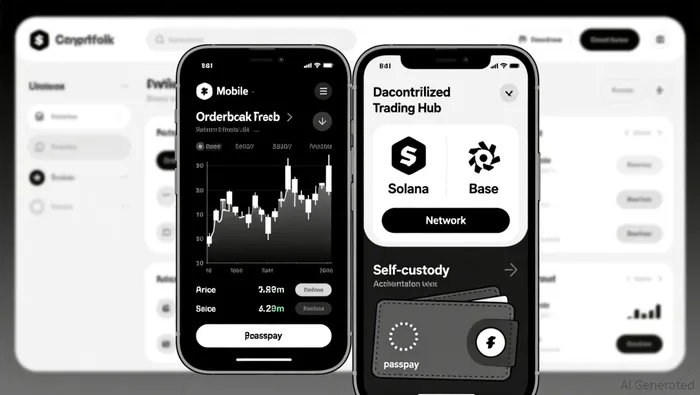
OKX's integrated DEX allows users to trade tokens on blockchains like SolanaSOL--, Base, and its own EthereumETH-- layer-2 network, X Layer, while retaining full control of their private keys via self-custody wallets. This hybrid model eliminates the need for users to juggle multiple wallets or navigate complex cross-chain bridging processes, which have historically hindered DEX adoption. For instance, the platform automates wallet creation and employs passkey security, streamlining onboarding for both novice and experienced traders.
The integration also offers a unified portfolio view, enabling users to switch seamlessly between centralized orderbooks and decentralized markets within the same interface. By aggregating liquidity across over 100 pools, OKX ensures best-price routing, enhancing trade execution efficiency. This approach mirrors broader industry trends: DEX trading volumes surged to an all-time high of $613.3 billion in October 2025, accounting for 20% of total crypto exchange activity.
Technical Innovations: X Layer and Cross-Chain Bridging
A cornerstone of OKX's hybrid infrastructure is its incubated X Layer, an Ethereum layer-2 network built using Polygon's Chain Development Kit (CDK). This solution reduces transaction costs and improves scalability, making onchain trading more accessible. For example, X Layer's low-cost transactions enable micro-trading and frequent portfolio adjustments, which are critical for DeFi participants.
Cross-chain bridging is another technical highlight. OKX's integration with Base and Solana allows users to access tokens across multiple ecosystems without leaving the app. This is particularly significant for U.S. users, who previously faced limited DEX options due to regulatory constraints. By embedding DEX functionality into its centralized platform, OKX addresses liquidity fragmentation, a persistent challenge in DeFi.
Market Implications: A Shift in Power Dynamics
OKX's hybrid model signals a broader industry shift toward CEX-DEX integration. Competitors like Coinbase and Binance have also introduced DEX features, but OKX's emphasis on self-custody and seamless execution sets it apart. For instance, the platform's ability to route trades across 100+ liquidity pools mitigates slippage risks, a common pain point in decentralized trading.
The surge in DEX volumes-driven by OKX's innovations and similar platforms-has also spurred growth in decentralized derivatives. In September 2025, DEX-based perpetual futures trading hit $70 billion, underscoring the demand for onchain liquidity. This trend suggests that hybrid models will dominate the next phase of crypto adoption, as users seek the security of self-custody without sacrificing the convenience of centralized liquidity.
Conclusion: The Road Ahead
OKX's integrated DEX is more than a product update-it's a strategic pivot toward a hybrid future where CEXs and DEXs coexist. By lowering barriers to DeFi participation and leveraging advanced cross-chain solutions, OKX is positioning itself as a leader in the next-generation trading infrastructure. For investors, this evolution represents both an opportunity and a caution: while hybrid models democratize access to decentralized markets, they also intensify competition among exchanges. As the industry matures, platforms that prioritize user experience and technical innovation-like OKX-will likely capture the lion's share of the market.






Comentarios
Aún no hay comentarios