
Oklahoma Poised to Become First U.S. State to Embrace Bitcoin
Oklahoma's Strategic Bitcoin Reserve Act (HB 1203) is nearing its final vote in the state legislature, with the potential to make Oklahoma the first U.S. state to integrate Bitcoin (BTC) into its public financial reserves. The bill, which passed a key House committee with a 12-2 vote, would allow Oklahoma to invest up to 10% of its public funds in Bitcoin and other large-cap digital assets exceeding a $500 billion market cap.
The proposal targets funds from the State General Fund, Revenue Stabilization Fund, and Constitutional Reserve Fund. It outlines custody requirements that allow digital assets to be held directly, through a qualified custodian, or via exchange-traded products. If enacted, this framework would take effect on November 1, 2023.
Representative Cody Maynard, the bill's sponsor, framed the legislation as a defense against monetary devaluation. He stated, "This bill is about protecting the hard-earned money of Oklahoma's citizens. By diversifying our state's savings and pension funds into digital assets, we are not only securing a stronger financial future for our state but also demonstrating Oklahoma's leadership in adopting innovative fiscal policies."
Supporters see the measure as a safeguard against rising prices. Maynard calls Bitcoin "the ultimate store of value," contending that its finite supply prevents governments from "printing away purchasing power." Dennis Porter, CEO of the Satoshi Act Fund, called the committee vote a "big breaking" development.
However, the notion of a strategic Bitcoin reserve has drawn skepticism from leading industry figures. Nic Carter, co-founder and partner at Castle Island Ventures, supports the government holding Bitcoin already in its possession but opposes large-scale buying. He warned that such a move could shake markets and dollar stability.
Oklahoma is not alone in considering Bitcoin as part of its financial future. Several U.S. states, including Pennsylvania, Texas, New Hampshire, and North Dakota, Ohio have introduced similar proposals to establish Bitcoin reserves. These legislative efforts coincide with increasing cryptocurrency adoption nationwide. According to the 2025 Cryptocurrency Adoption and Consumer Sentiment Report, 28% of American adults now own digital assets, nearly doubling since 2021.
The outcome of Oklahoma's vote could set the stage for a broader shift in how states manage public funds, 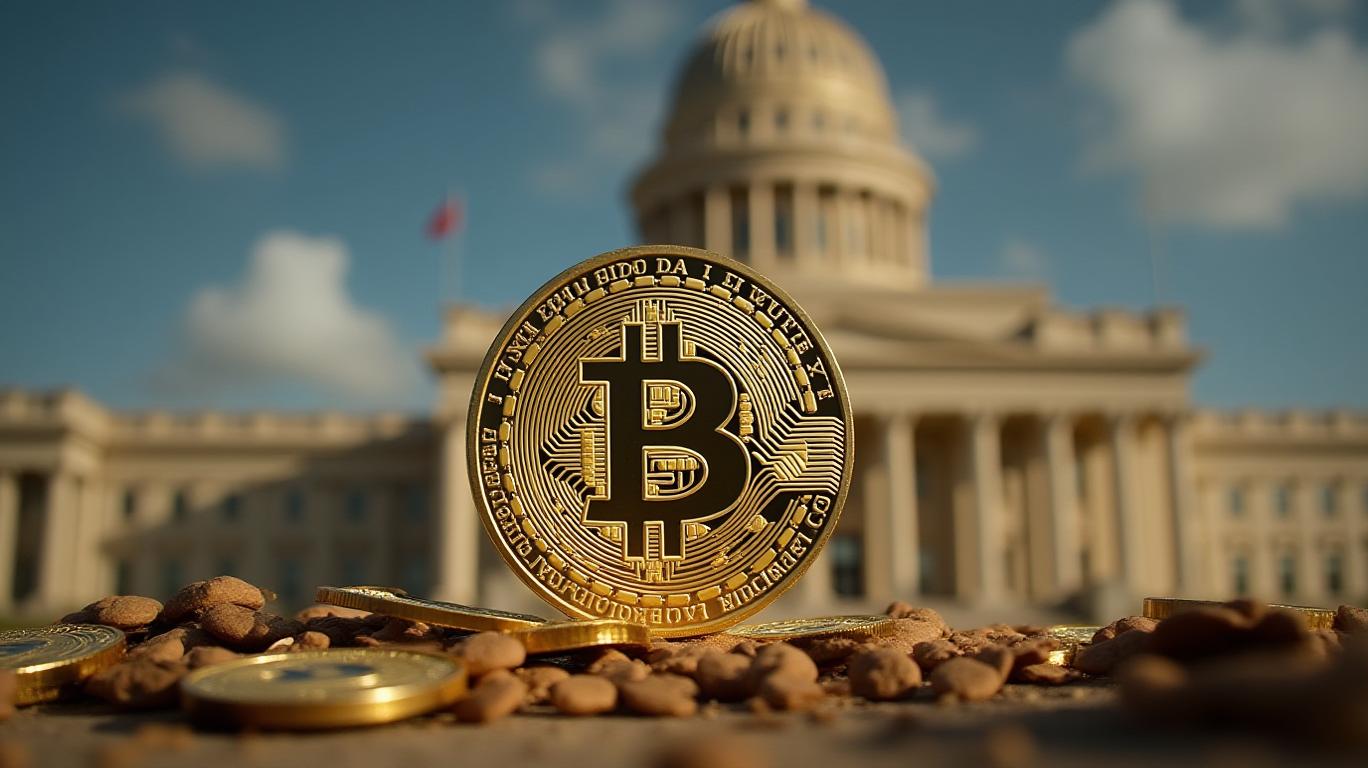






Comentarios
Aún no hay comentarios