
Oklahoma House Passes Bill Allowing 10% State Funds in Bitcoin
The Oklahoma House of Representatives has passed the Strategic Bitcoin Reserve Act, known as House Bill 1203 (HB1203), with a significant majority of 77-15. This legislation allows the state to invest up to 10% of its public funds in Bitcoin or other digital assets with a market capitalization exceeding $500 billion in the previous year. The bill was introduced by Representative Cody Maynard on January 15, 2025, with the aim of aligning Oklahoma's financial portfolio with Bitcoin investments to serve as an inflation hedge and establish financial resilience.
HB1203 empowers the state treasurer to oversee investments in digital assets across major state funds, including the general fund, revenue stabilization fund, and constitutional reserve fund. This move positions Oklahoma alongside other states that are considering or have already introduced similar legislation. For instance, Pennsylvania proposed spending up to 10% of its state funds in Bitcoin, while Texas introduced a bill for creating a Bitcoin reserve. Ohio and New Hampshire have also explored specific Bitcoin funds and digital asset investments, and Wyoming is considering a bill to invest up to 3% of certain state funds in Bitcoin under safe custody agreements.
The passage of HB1203 reflects a growing national interest in state Bitcoin reserves, signaling a potential shift in how digital assets are integrated into government financial strategies. The trend indicates that some states are venturing into direct investment in Bitcoin, while others are examining the possibility of staking and lending digital assets as a source of revenue. This development follows a broader national discussion on the use of digital assets in government reserves, with proposals from President-elect Donald Trump and Senator Cynthia Lummis advocating for significant Bitcoin-related policy changes.
Supporters of these proposals argue that Bitcoin's limited supply makes it an effective hedge against inflation and economic uncertainty. They also highlight its decentralization as a benefit for diversifying financial holdings. However, critics warn about the volatility and speculation associated with Bitcoin, expressing concerns that state and federal investments in virtual currencies could expose public monies to wild price fluctuations. Financial policymakers and regulators are still evaluating the long-term role of Bitcoin in government reserves, and it remains uncertain whether Oklahoma's move will lead to greater state-level Bitcoin adoption.
Despite the controversy, the strategic decision to invest in Bitcoin underscores Oklahoma's recognition of the digital currency's potential as a store of value and a hedge against inflation. By diversifying its financial reserves, the state aims to mitigate risks associated with traditional fiat currencies and capitalize on the growing acceptance and value of Bitcoin in the global market. This initiative could also attract tech-savvy investors and businesses to the state, fostering economic growth and innovation. As the bill progresses through the legislative process, it will be closely watched by financial experts, policymakers, and the public, with potential far-reaching implications for state financial management and the approach to digital currencies. 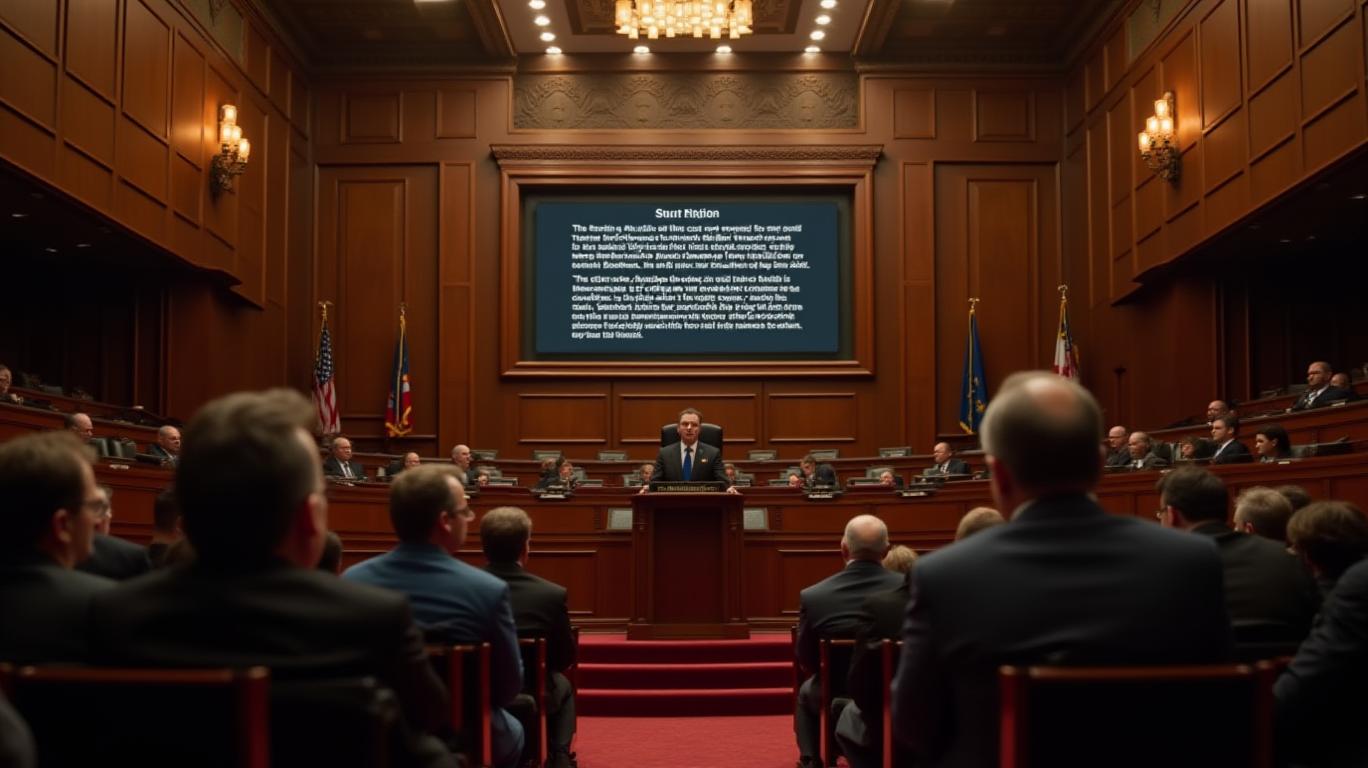






Comentarios
Aún no hay comentarios