
Oil Traders Cash In on US Sanctions Volatility
Generado por agente de IACyrus Cole
viernes, 10 de enero de 2025, 3:25 pm ET2 min de lectura
SHIP--
The global oil market has been a rollercoaster ride in recent months, with geopolitical tensions, supply disruptions, and economic uncertainties driving price volatility. Oil traders who have bet on increased volatility have been reaping the benefits, as US sanctions on Russian oil exports have created new opportunities and challenges in the market.

The US sanctions on Russian oil exports, aimed at limiting Russia's access to petrodollars and funding its war in Ukraine, have led to a redirection of trade. China, India, and Türkiye have become major buyers of Russian crude, with exports to these countries increasing by 40 percent between 2021 and 2023. This shift has helped Russia maintain its oil revenues despite a 53 percent decrease in exports to the EU, the United Kingdom, the United States, and OECD Asia (World Bank, 2023 Commodity Market Outlook).
The sanctions and the subsequent redirection of trade have contributed to market volatility. Brent prices have been volatile since the beginning of the Middle East conflict, with potential geopolitical impact on supply and concerns of slowing global growth (World Bank, 2023 Commodity Market Outlook). In December 2023, oil prices averaged US$78/bbl, down from US$94/bbl in September, reversing all the gains accrued in 2023Q3. This decline was partly due to weak global economic activity, record output from the United States, and steady production and exports by Russia (World Bank, 2023 Commodity Market Outlook).
Oil traders who have bet on increased volatility have been able to capitalize on these market dynamics. By employing strategies such as using derivatives and adjusting positions based on geopolitical developments and supply-demand dynamics, traders have been able to mitigate risks and profit from price swings.
However, the sanctions and the resulting market dynamics have also created challenges for traders. The US-led coalition implemented a price cap on Russian oil in 2022, which initially restricted Russian oil tax revenue. However, Russia adapted by using a "shadow fleet" to circumvent Western restrictions, allowing it to trade above the official cap. In September 2023, Russian crude export revenues reached a 12-month high, with Urals prices surpassing $80 per barrel since July 2023 (World Bank, 2023 Commodity Market Outlook).
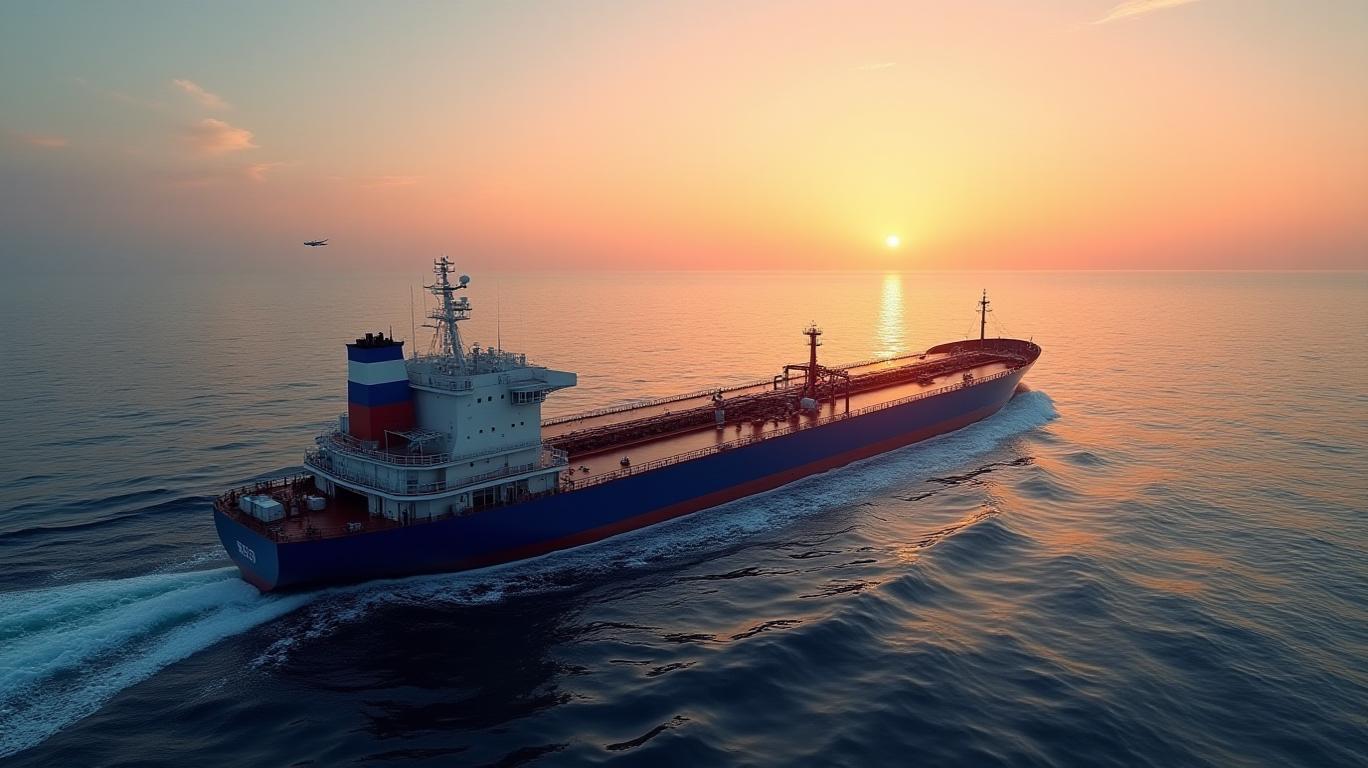
The actions of emerging markets, such as India and China, have also played a significant role in the Russian oil trade and have contributed to market volatility. India briefly overtook China as the largest buyer of Russian crude in 2022, but its imports of Russian oil in November 2022 plummeted by 55% year-on-year to their lowest point since June 2022 (Alex Kimani, Oilprice.com). China, on the other hand, has been a significant buyer of Russian oil, with imports reaching a record high in 2023. Despite US sanctions, China continues to import Iranian oil, with ship-to-ship transfers occurring in the waters off countries like Malaysia, Oman, and the United Arab Emirates (Q&A on US sanctions against Iran's oil exports).
In conclusion, the US sanctions on Russian oil exports have created a complex geopolitical landscape, with the US and its allies attempting to balance the need to limit Russia's access to petrodollars while maintaining global oil supply. The sanctions and the resulting market dynamics have influenced global oil prices and contributed to market volatility. Oil traders who have bet on increased volatility have been able to capitalize on these market dynamics, but the sanctions have also created challenges for traders. The actions of emerging markets, such as India and China, have played a significant role in the Russian oil trade and have contributed to market volatility. As the geopolitical landscape continues to evolve, oil traders will need to remain adaptable and informed to navigate the ever-changing market dynamics.
WAT--
The global oil market has been a rollercoaster ride in recent months, with geopolitical tensions, supply disruptions, and economic uncertainties driving price volatility. Oil traders who have bet on increased volatility have been reaping the benefits, as US sanctions on Russian oil exports have created new opportunities and challenges in the market.
The US sanctions on Russian oil exports, aimed at limiting Russia's access to petrodollars and funding its war in Ukraine, have led to a redirection of trade. China, India, and Türkiye have become major buyers of Russian crude, with exports to these countries increasing by 40 percent between 2021 and 2023. This shift has helped Russia maintain its oil revenues despite a 53 percent decrease in exports to the EU, the United Kingdom, the United States, and OECD Asia (World Bank, 2023 Commodity Market Outlook).
The sanctions and the subsequent redirection of trade have contributed to market volatility. Brent prices have been volatile since the beginning of the Middle East conflict, with potential geopolitical impact on supply and concerns of slowing global growth (World Bank, 2023 Commodity Market Outlook). In December 2023, oil prices averaged US$78/bbl, down from US$94/bbl in September, reversing all the gains accrued in 2023Q3. This decline was partly due to weak global economic activity, record output from the United States, and steady production and exports by Russia (World Bank, 2023 Commodity Market Outlook).
Oil traders who have bet on increased volatility have been able to capitalize on these market dynamics. By employing strategies such as using derivatives and adjusting positions based on geopolitical developments and supply-demand dynamics, traders have been able to mitigate risks and profit from price swings.
However, the sanctions and the resulting market dynamics have also created challenges for traders. The US-led coalition implemented a price cap on Russian oil in 2022, which initially restricted Russian oil tax revenue. However, Russia adapted by using a "shadow fleet" to circumvent Western restrictions, allowing it to trade above the official cap. In September 2023, Russian crude export revenues reached a 12-month high, with Urals prices surpassing $80 per barrel since July 2023 (World Bank, 2023 Commodity Market Outlook).
The actions of emerging markets, such as India and China, have also played a significant role in the Russian oil trade and have contributed to market volatility. India briefly overtook China as the largest buyer of Russian crude in 2022, but its imports of Russian oil in November 2022 plummeted by 55% year-on-year to their lowest point since June 2022 (Alex Kimani, Oilprice.com). China, on the other hand, has been a significant buyer of Russian oil, with imports reaching a record high in 2023. Despite US sanctions, China continues to import Iranian oil, with ship-to-ship transfers occurring in the waters off countries like Malaysia, Oman, and the United Arab Emirates (Q&A on US sanctions against Iran's oil exports).
In conclusion, the US sanctions on Russian oil exports have created a complex geopolitical landscape, with the US and its allies attempting to balance the need to limit Russia's access to petrodollars while maintaining global oil supply. The sanctions and the resulting market dynamics have influenced global oil prices and contributed to market volatility. Oil traders who have bet on increased volatility have been able to capitalize on these market dynamics, but the sanctions have also created challenges for traders. The actions of emerging markets, such as India and China, have played a significant role in the Russian oil trade and have contributed to market volatility. As the geopolitical landscape continues to evolve, oil traders will need to remain adaptable and informed to navigate the ever-changing market dynamics.

Divulgación editorial y transparencia de la IA: Ainvest News utiliza tecnología avanzada de Modelos de Lenguaje Largo (LLM) para sintetizar y analizar datos de mercado en tiempo real. Para garantizar los más altos estándares de integridad, cada artículo se somete a un riguroso proceso de verificación con participación humana.
Mientras la IA asiste en el procesamiento de datos y la redacción inicial, un miembro editorial profesional de Ainvest revisa, verifica y aprueba de forma independiente todo el contenido para garantizar su precisión y cumplimiento con los estándares editoriales de Ainvest Fintech Inc. Esta supervisión humana está diseñada para mitigar las alucinaciones de la IA y garantizar el contexto financiero.
Advertencia sobre inversiones: Este contenido se proporciona únicamente con fines informativos y no constituye asesoramiento profesional de inversión, legal o financiero. Los mercados conllevan riesgos inherentes. Se recomienda a los usuarios que realicen una investigación independiente o consulten a un asesor financiero certificado antes de tomar cualquier decisión. Ainvest Fintech Inc. se exime de toda responsabilidad por las acciones tomadas con base en esta información. ¿Encontró un error? Reportar un problema




Comentarios
Aún no hay comentarios