
Oil Touches $80 as Russia Sanctions Rattle Markets
Generado por agente de IACyrus Cole
viernes, 10 de enero de 2025, 11:32 am ET2 min de lectura
WEST--
Oil prices surged to a three-month high on Friday, with WTI crude breaking above its 200-day moving average and Brent crude advancing to about $80 a barrel. The rally was driven by a combination of factors, including dwindling US crude stockpiles, cold weather, and uncertainty over the Trump administration's stance on Iranian crude flows. However, the most significant catalyst for the price increase was the announcement of sweeping sanctions against Russia's oil and maritime insurance providers.
The sanctions, which target more than 180 tankers carrying Russian oil and maritime insurance providers based in Russia, are expected to have a significant impact on global oil supply chains and prices. The move is part of a broader effort by the US and its allies to curb Russia's ability to fund its war in Ukraine by targeting its primary source of revenue – oil exports.
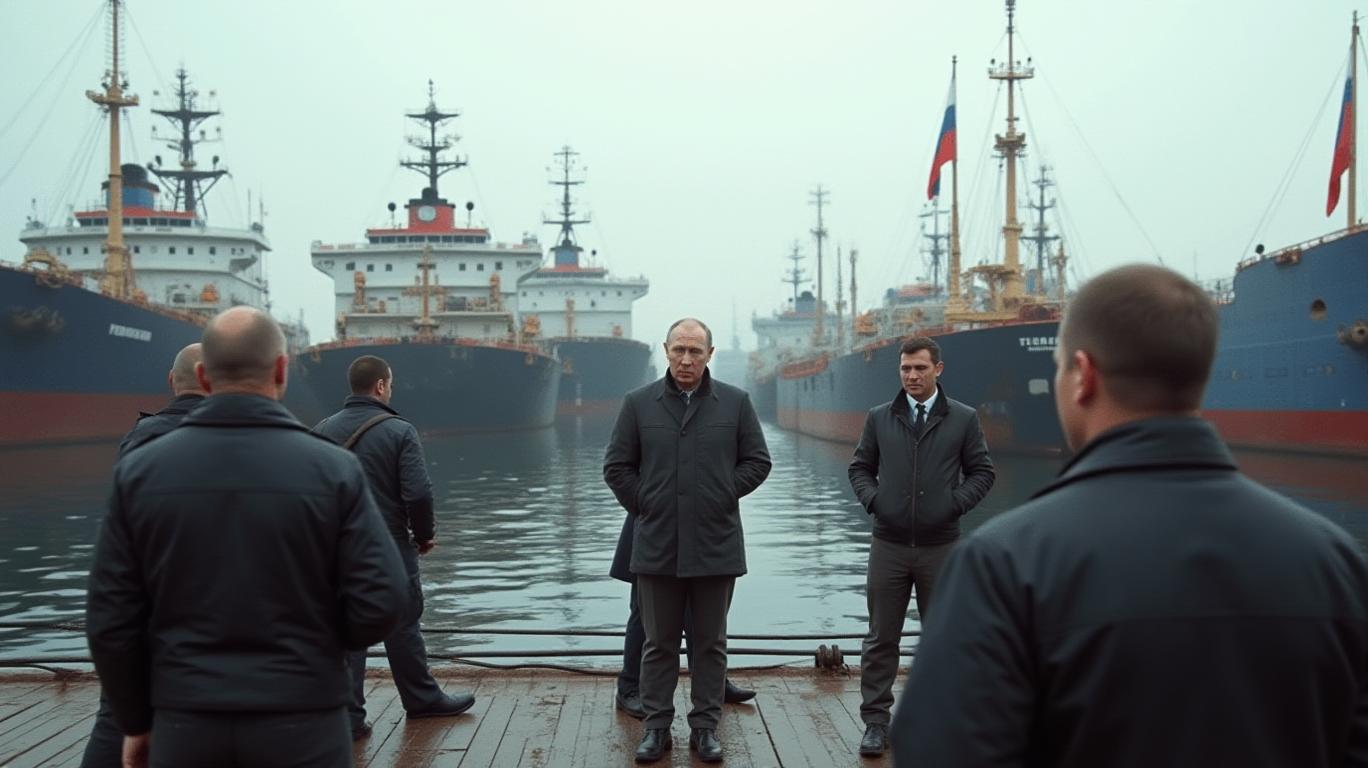
The sanctions have already led to a surge in oil prices, with WTI hitting three-month highs and Brent crude advancing to about $80 a barrel. However, the full impact of the sanctions on global oil markets and market stability remains to be seen. While some analysts have expressed concerns about the potential for a global recession, others argue that the introduction of a $60-per-barrel price cap on Russian oil has helped mitigate this risk.
In the short term, the sanctions are expected to lead to an immediate reduction in Russian oil exports, as buyers in the EU and other countries shun Russian oil. However, Russia is expected to redirect its crude supplies to non-OECD markets, such as India, China, and Turkey, to mitigate export losses. This increased competition among Asian buyers could lead to geopolitical tensions and strain relations between these countries and the West.
In the long term, the sanctions could lead to a decline in investment in the Russian oil sector, both from domestic and foreign companies. This could result in a long-term reduction in production capacity and output, as well as an increase in operating costs. Additionally, the sanctions may limit Russia's access to advanced technologies and services required for maintaining and expanding its oil production and export infrastructure, further impacting its ability to compete in the global oil market.
The sanctions on Russia's oil exports have significant implications for geopolitical dynamics and energy security in Europe and Asia. They have reduced Europe's reliance on Russian oil, increased competition for Asian buyers, and potentially disrupted global oil supply chains. However, Russia has shown resilience in adapting to the sanctions, maintaining oil production and exports despite the challenges posed by the sanctions. The geopolitical dynamics and energy security implications of these sanctions will continue to evolve as the situation in Ukraine and the global energy market develop.
In conclusion, the sanctions on Russia's oil exports have led to a surge in oil prices and have the potential to significantly impact global oil markets and market stability. While the full impact of the sanctions remains to be seen, they are expected to have a significant impact on both production and export volumes in the short and long term. The geopolitical dynamics and energy security implications of these sanctions will continue to evolve as the situation in Ukraine and the global energy market develop.
Oil prices surged to a three-month high on Friday, with WTI crude breaking above its 200-day moving average and Brent crude advancing to about $80 a barrel. The rally was driven by a combination of factors, including dwindling US crude stockpiles, cold weather, and uncertainty over the Trump administration's stance on Iranian crude flows. However, the most significant catalyst for the price increase was the announcement of sweeping sanctions against Russia's oil and maritime insurance providers.
The sanctions, which target more than 180 tankers carrying Russian oil and maritime insurance providers based in Russia, are expected to have a significant impact on global oil supply chains and prices. The move is part of a broader effort by the US and its allies to curb Russia's ability to fund its war in Ukraine by targeting its primary source of revenue – oil exports.
The sanctions have already led to a surge in oil prices, with WTI hitting three-month highs and Brent crude advancing to about $80 a barrel. However, the full impact of the sanctions on global oil markets and market stability remains to be seen. While some analysts have expressed concerns about the potential for a global recession, others argue that the introduction of a $60-per-barrel price cap on Russian oil has helped mitigate this risk.
In the short term, the sanctions are expected to lead to an immediate reduction in Russian oil exports, as buyers in the EU and other countries shun Russian oil. However, Russia is expected to redirect its crude supplies to non-OECD markets, such as India, China, and Turkey, to mitigate export losses. This increased competition among Asian buyers could lead to geopolitical tensions and strain relations between these countries and the West.
In the long term, the sanctions could lead to a decline in investment in the Russian oil sector, both from domestic and foreign companies. This could result in a long-term reduction in production capacity and output, as well as an increase in operating costs. Additionally, the sanctions may limit Russia's access to advanced technologies and services required for maintaining and expanding its oil production and export infrastructure, further impacting its ability to compete in the global oil market.
The sanctions on Russia's oil exports have significant implications for geopolitical dynamics and energy security in Europe and Asia. They have reduced Europe's reliance on Russian oil, increased competition for Asian buyers, and potentially disrupted global oil supply chains. However, Russia has shown resilience in adapting to the sanctions, maintaining oil production and exports despite the challenges posed by the sanctions. The geopolitical dynamics and energy security implications of these sanctions will continue to evolve as the situation in Ukraine and the global energy market develop.
In conclusion, the sanctions on Russia's oil exports have led to a surge in oil prices and have the potential to significantly impact global oil markets and market stability. While the full impact of the sanctions remains to be seen, they are expected to have a significant impact on both production and export volumes in the short and long term. The geopolitical dynamics and energy security implications of these sanctions will continue to evolve as the situation in Ukraine and the global energy market develop.

Divulgación editorial y transparencia de la IA: Ainvest News utiliza tecnología avanzada de Modelos de Lenguaje Largo (LLM) para sintetizar y analizar datos de mercado en tiempo real. Para garantizar los más altos estándares de integridad, cada artículo se somete a un riguroso proceso de verificación con participación humana.
Mientras la IA asiste en el procesamiento de datos y la redacción inicial, un miembro editorial profesional de Ainvest revisa, verifica y aprueba de forma independiente todo el contenido para garantizar su precisión y cumplimiento con los estándares editoriales de Ainvest Fintech Inc. Esta supervisión humana está diseñada para mitigar las alucinaciones de la IA y garantizar el contexto financiero.
Advertencia sobre inversiones: Este contenido se proporciona únicamente con fines informativos y no constituye asesoramiento profesional de inversión, legal o financiero. Los mercados conllevan riesgos inherentes. Se recomienda a los usuarios que realicen una investigación independiente o consulten a un asesor financiero certificado antes de tomar cualquier decisión. Ainvest Fintech Inc. se exime de toda responsabilidad por las acciones tomadas con base en esta información. ¿Encontró un error? Reportar un problema




Comentarios
Aún no hay comentarios