
Oil Shipping Rates Surge as US Sanctions Tighten Global Fleet
Generado por agente de IACyrus Cole
martes, 14 de enero de 2025, 12:52 am ET1 min de lectura
Oil shipping rates have surged in recent days following the announcement of new US sanctions targeting Russia's energy sector, particularly its shadow fleet of oil tankers. The sanctions, which aim to cut off Russia's energy revenue and weaken its ability to continue the war, have led to a significant reduction in available vessels, driving up shipping rates and increasing market volatility.
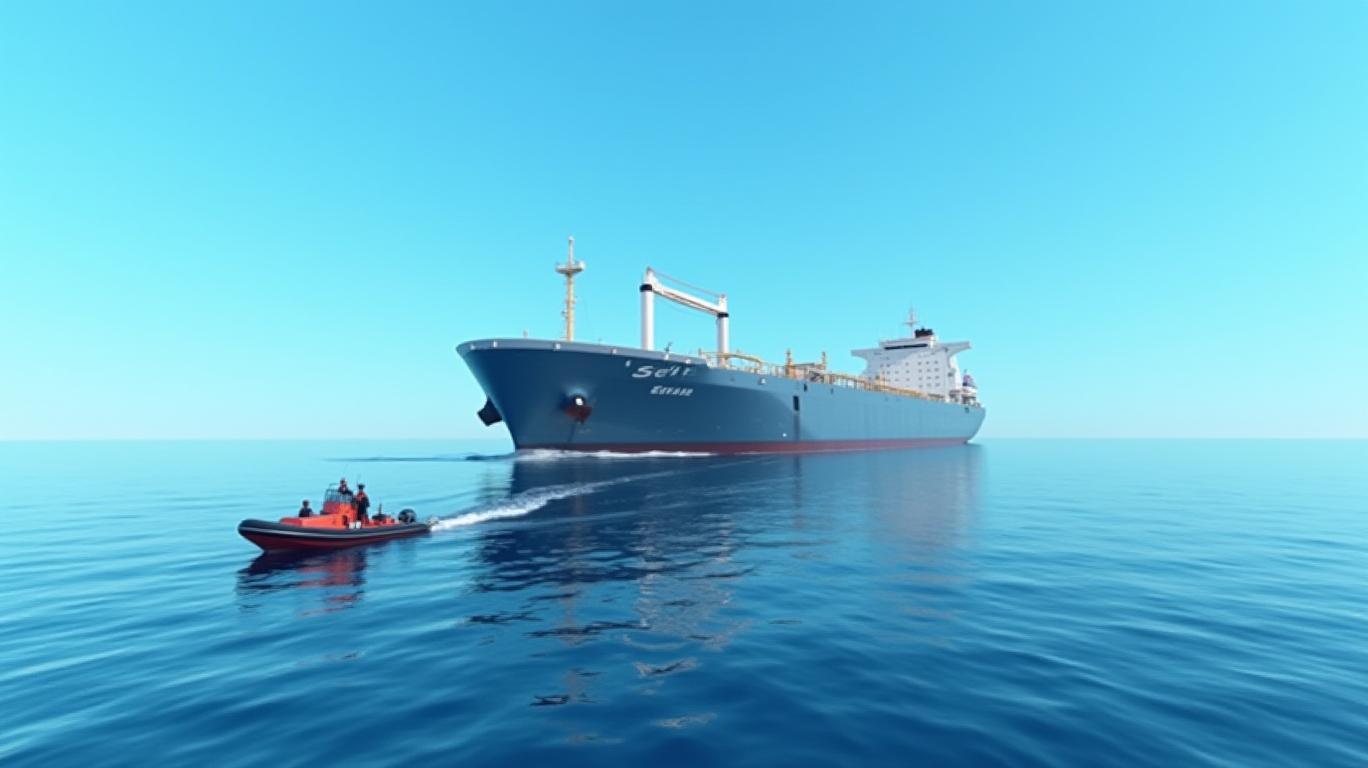
On Monday, March 16, 2025, oil tanker rates jumped by 39%, the most since August, tracing a rally in shares of the world's largest pureplay owners of the ships. The sanctions, announced on February 27, 2025, target over 180 vessels, many of which are part of Russia's "shadow fleet" used to evade sanctions. This reduction in available vessels has led to increased shipping rates due to supply and demand dynamics.
The uncertainty over how impactful these sanctions will be is proving bullish for the oil market, leading to increased volatility. The potential loss of around 700k b/d of Russian crude oil could wipe out the surplus expected for the global oil market this year, significantly impacting prices. However, the actual volumes lost may be smaller, depending on how buyers and Russia respond to the sanctions.
If key buyers step away from Russian crude, it could lead to logistical bottlenecks, making it more difficult to ship Russian oil. This could potentially force Russia to use more Western shipping and insurance services, which would mean that this oil would have to trade below the G-7 price cap of US$60/bbl.
The sanctions could disrupt Russian (and Iranian) export volumes, potentially leading to a tighter global oil market. The Middle East physical market has already been stronger as buyers look for alternative grades. In China, ahead of these recently announced sanctions, Shandong Port Group banned US-sanctioned tankers from calling at its ports.

In conclusion, the US sanctions on Russia's energy sector, particularly targeting the shadow fleet, have led to a surge in oil shipping rates and increased market volatility. The disruption of global oil supplies, shift in energy trade flows, and influence on geopolitical relations could lead to increased market volatility, potential supply shortages, and shifts in energy trade dynamics. Investors should closely monitor the situation and consider the potential impacts on their portfolios.



Divulgación editorial y transparencia de la IA: Ainvest News utiliza tecnología avanzada de Modelos de Lenguaje Largo (LLM) para sintetizar y analizar datos de mercado en tiempo real. Para garantizar los más altos estándares de integridad, cada artículo se somete a un riguroso proceso de verificación con participación humana.
Mientras la IA asiste en el procesamiento de datos y la redacción inicial, un miembro editorial profesional de Ainvest revisa, verifica y aprueba de forma independiente todo el contenido para garantizar su precisión y cumplimiento con los estándares editoriales de Ainvest Fintech Inc. Esta supervisión humana está diseñada para mitigar las alucinaciones de la IA y garantizar el contexto financiero.
Advertencia sobre inversiones: Este contenido se proporciona únicamente con fines informativos y no constituye asesoramiento profesional de inversión, legal o financiero. Los mercados conllevan riesgos inherentes. Se recomienda a los usuarios que realicen una investigación independiente o consulten a un asesor financiero certificado antes de tomar cualquier decisión. Ainvest Fintech Inc. se exime de toda responsabilidad por las acciones tomadas con base en esta información. ¿Encontró un error? Reportar un problema


SOBRE NOSOTROS
Nuestra historiaAutores de noticiasBase de conocimientosPolítica de privacidadTérmino de usoDescargo de responsabilidad de corretaje de tercerosTérminos de uso de AIMEDivulgaciones de riesgos de AInvest AICarrerasCONTÁCTENOS
Email: support@ainvest.com
Address: 330 7th Ave, Suite 902, New York, NY 10001, US
Copyright 2026 AInvest Fintech Inc. All rights reserved.


Comentarios
Aún no hay comentarios