
Oil Set for Weekly Gain as Sanctions Outlook Offsets Glut Woes
Generado por agente de IAEli Grant
jueves, 12 de diciembre de 2024, 7:26 pm ET2 min de lectura
BOOM--
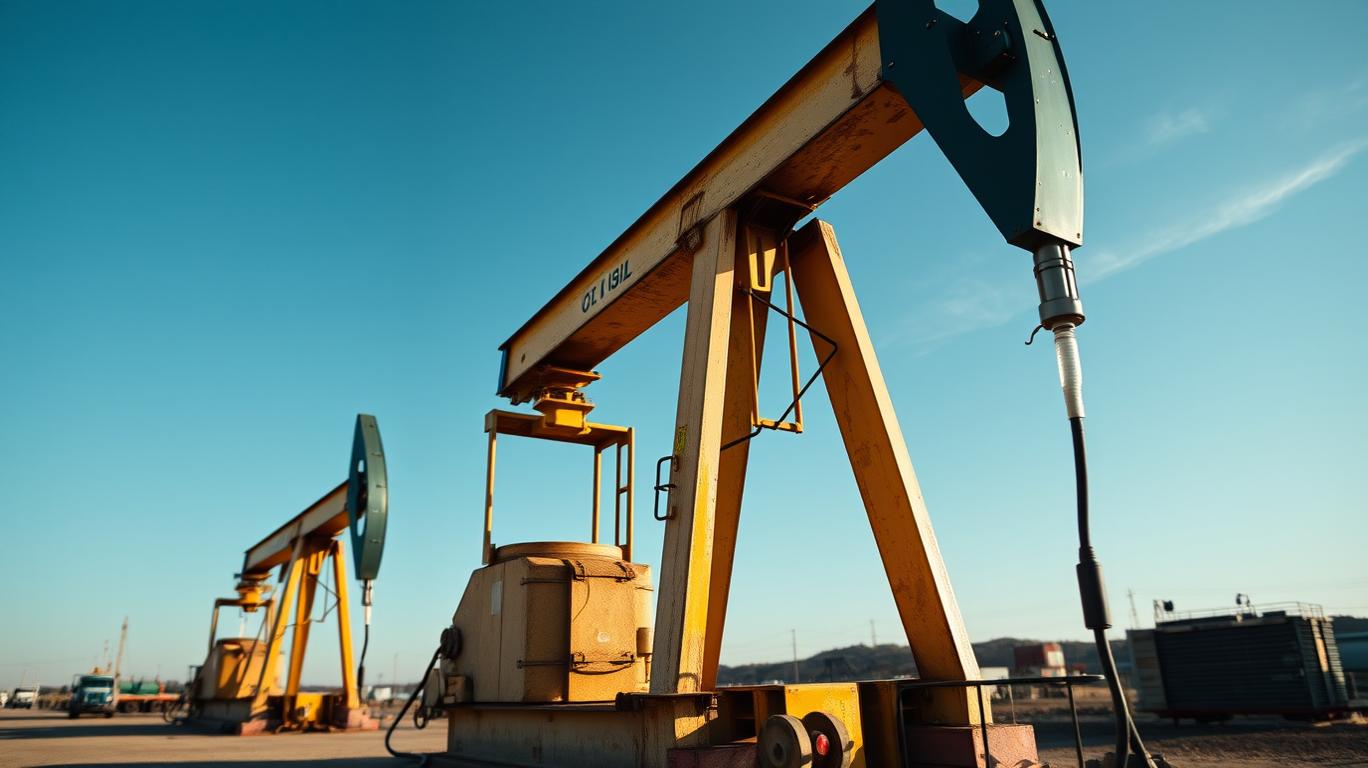
Oil prices are poised for a weekly gain, as market sentiment shifts towards the potential impact of sanctions on global supply, offsetting concerns about inventory glut. The market's focus has shifted from supply glut concerns to geopolitical tensions, driving oil prices higher. This shift is evident in the recent performance of oil futures, which have risen despite concerns about high inventory levels and weak demand.
Geopolitical tensions, such as those surrounding Iran and Venezuela, have historically driven oil price volatility. However, inventory levels and demand dynamics also play a crucial role in determining the magnitude and duration of price fluctuations. High inventory levels can dampen price increases, while weak demand can exacerbate price declines. As geopolitical events unfold, investors should monitor inventory levels and demand dynamics to better assess the potential impact on oil prices.
The sensitivity of oil prices to geopolitical events is influenced by inventory levels and demand dynamics. High inventory levels and weak demand, as seen in Q4 2023, can lead to a bearish trend, with prices declining despite production and export increases. Conversely, geopolitical tensions and uncertainties, such as those surrounding OPEC+ policies, can drive prices up. The interplay between supply and demand imbalances, inventory levels, and geopolitical factors shapes the market's response to geopolitical events.
OPEC+ production policies significantly impact oil price trends. In the short term, changes in output can cause volatility, as seen in the recent delay of extra voluntary cuts until January. This decision, along with the potential unwinding of cuts in 2025, influences market sentiment and prices. In the long term, OPEC+ policies shape the global supply landscape, affecting the balance between supply and demand, and consequently, oil prices.
Technological advancements like the shale oil revolution have significantly impacted global oil supply and price dynamics. The U.S. shale oil boom has led to a surge in production, making the country the world's largest oil producer. This increased supply has contributed to a glut in the market, putting downward pressure on prices. However, the ability of shale producers to quickly ramp up or cut production in response to price changes has also created volatility in the market. As a result, while shale oil has helped to diversify global oil supply, it has also introduced new dynamics that influence price trends.
In conclusion, the oil market's response to geopolitical events is influenced by inventory levels and demand dynamics. High inventory levels and weak demand can lead to a bearish trend, while geopolitical tensions and uncertainties can drive prices up. OPEC+ production policies and technological advancements like the shale oil revolution also play significant roles in shaping oil price trends. As geopolitical events unfold, investors should monitor inventory levels, demand dynamics, and other influencing factors to better assess the potential impact on oil prices.
Oil prices are poised for a weekly gain, as market sentiment shifts towards the potential impact of sanctions on global supply, offsetting concerns about inventory glut. The market's focus has shifted from supply glut concerns to geopolitical tensions, driving oil prices higher. This shift is evident in the recent performance of oil futures, which have risen despite concerns about high inventory levels and weak demand.
Geopolitical tensions, such as those surrounding Iran and Venezuela, have historically driven oil price volatility. However, inventory levels and demand dynamics also play a crucial role in determining the magnitude and duration of price fluctuations. High inventory levels can dampen price increases, while weak demand can exacerbate price declines. As geopolitical events unfold, investors should monitor inventory levels and demand dynamics to better assess the potential impact on oil prices.
The sensitivity of oil prices to geopolitical events is influenced by inventory levels and demand dynamics. High inventory levels and weak demand, as seen in Q4 2023, can lead to a bearish trend, with prices declining despite production and export increases. Conversely, geopolitical tensions and uncertainties, such as those surrounding OPEC+ policies, can drive prices up. The interplay between supply and demand imbalances, inventory levels, and geopolitical factors shapes the market's response to geopolitical events.
OPEC+ production policies significantly impact oil price trends. In the short term, changes in output can cause volatility, as seen in the recent delay of extra voluntary cuts until January. This decision, along with the potential unwinding of cuts in 2025, influences market sentiment and prices. In the long term, OPEC+ policies shape the global supply landscape, affecting the balance between supply and demand, and consequently, oil prices.
Technological advancements like the shale oil revolution have significantly impacted global oil supply and price dynamics. The U.S. shale oil boom has led to a surge in production, making the country the world's largest oil producer. This increased supply has contributed to a glut in the market, putting downward pressure on prices. However, the ability of shale producers to quickly ramp up or cut production in response to price changes has also created volatility in the market. As a result, while shale oil has helped to diversify global oil supply, it has also introduced new dynamics that influence price trends.
In conclusion, the oil market's response to geopolitical events is influenced by inventory levels and demand dynamics. High inventory levels and weak demand can lead to a bearish trend, while geopolitical tensions and uncertainties can drive prices up. OPEC+ production policies and technological advancements like the shale oil revolution also play significant roles in shaping oil price trends. As geopolitical events unfold, investors should monitor inventory levels, demand dynamics, and other influencing factors to better assess the potential impact on oil prices.

Divulgación editorial y transparencia de la IA: Ainvest News utiliza tecnología avanzada de Modelos de Lenguaje Largo (LLM) para sintetizar y analizar datos de mercado en tiempo real. Para garantizar los más altos estándares de integridad, cada artículo se somete a un riguroso proceso de verificación con participación humana.
Mientras la IA asiste en el procesamiento de datos y la redacción inicial, un miembro editorial profesional de Ainvest revisa, verifica y aprueba de forma independiente todo el contenido para garantizar su precisión y cumplimiento con los estándares editoriales de Ainvest Fintech Inc. Esta supervisión humana está diseñada para mitigar las alucinaciones de la IA y garantizar el contexto financiero.
Advertencia sobre inversiones: Este contenido se proporciona únicamente con fines informativos y no constituye asesoramiento profesional de inversión, legal o financiero. Los mercados conllevan riesgos inherentes. Se recomienda a los usuarios que realicen una investigación independiente o consulten a un asesor financiero certificado antes de tomar cualquier decisión. Ainvest Fintech Inc. se exime de toda responsabilidad por las acciones tomadas con base en esta información. ¿Encontró un error? Reportar un problema


SOBRE NOSOTROS
Nuestra historiaAutores de noticiasBase de conocimientosPolítica de privacidadTérmino de usoDescargo de responsabilidad de corretaje de tercerosTérminos de uso de AIMEDivulgaciones de riesgos de AInvest AICarrerasCONTÁCTENOS
Email: support@ainvest.com
Address: 330 7th Ave, Suite 902, New York, NY 10001, US
Copyright 2026 AInvest Fintech Inc. All rights reserved.


Comentarios
Aún no hay comentarios