
The Oil Sanctions Crosshairs: UK Targets Russian-linked Directors in Energy Sector
The UK’s recent sanctions targeting Russian oil producers like Gazprom Neft and Surgutneftegas mark a strategic escalation in the global effort to curb Russia’s energy revenue. While the sanctions explicitly freeze assets of these entities, the broader implications for directors and executives of Russian-linked oil trading groups are significant. This article explores the ripple effects of these measures, their impact on global energy markets, and what investors should consider in this shifting landscape.
The Sanctions Framework: Beyond Entities to Individuals
On January 10, 2025, the UK joined the U.S. in imposing asset freezes on Gazprom Neft and Surgutneftegas, two of Russia’s largest oil producers. These actions were paired with U.S. designations of over 400 entities, including oil traders, vessels, and executives, under the Russian Harmful Foreign Activities Sanctions Regulations (RuHSR). While the UK’s sanctions list does not explicitly name directors, the Memorandum of Understanding (MOU) between the UK’s OFSI and the U.S. OFAC ensures cross-border coordination. This means individuals acting on behalf of sanctioned entities—such as directors managing logistics, contracts, or financial flows—could face secondary sanctions, including asset freezes, travel bans, and exclusion from global financial systems.
Example: Rosneft, a major Russian oil firm, saw its stock plummet by 30% in the first quarter of 2025 amid sanctions uncertainty.
The Strategic Impact: Disrupting Oil Trade Networks
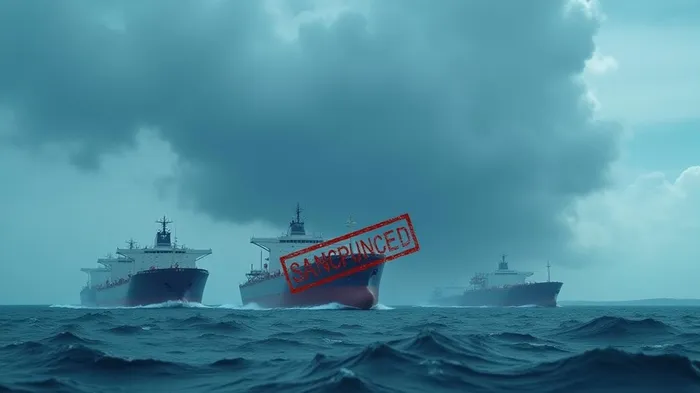
The sanctions are not just about freezing assets—they aim to dismantle Russia’s oil trade infrastructure. Over 180 vessels in Russia’s “shadow fleet” were designated, many operated by state-owned Sovcomflot, highlighting the targeting of maritime logistics critical to oil exports. Directors of companies facilitating these shipments, even indirectly, now face heightened scrutiny. The UK’s requirement for businesses to conduct enhanced due diligence on partners further tightens the noose, as any ties to sanctioned entities could trigger penalties.
Global oil prices rose by 15% in early 2025 as disrupted Russian exports tightened supply, benefiting non-sanctioned producers like Saudi Arabia and the U.S.
Market Reactions and Investment Risks
Investors in energy sectors must navigate a complex web of risks:
1. Direct Sanctions Exposure: Firms with Russian-linked directors or contracts face asset seizure risks. For example, Surgutneftegasbank, a subsidiary of Surgutneftegas, saw its operations in Europe collapse as banks exited.
2. Secondary Sanctions: Non-U.S. firms dealing with sanctioned individuals may face U.S. penalties. The General Licenses (e.g., INT/2025/5635701) expired in February 2025, ending exemptions for wind-down activities.
3. Supply Chain Volatility: Over $24 billion in cargo carried by sanctioned tankers remains at risk, creating uncertainty for traders.
Opportunities in Compliance and Diversification
While risks are high, investors can capitalize on compliance-driven sectors:
- Renewables: Sanctions amplify the push for cleaner energy. Firms like NextEra Energy (NEE) and Vestas Wind Systems (VWS) saw surges in investor interest in 2025.
- Compliant Oil Traders: Companies like Trafigura and Vitol, which avoid Russian ties, benefit from higher crude prices and market consolidation.
Conclusion: A New Era of Geopolitical Risk Management
The UK’s sanctions, while not explicitly naming directors, create a de facto regime of accountability for Russian-linked oil executives. With over 2,000 individuals and entities sanctioned since 2022, the message is clear: involvement with sanctioned sectors carries severe consequences.
Investors should prioritize diversification and due diligence, focusing on:
- Firms with no Russian exposure, such as U.S. shale producers or Middle Eastern exporters.
- Sanction-proof logistics, like alternative shipping routes or insurance providers unlinked to sanctioned entities.
The data underscores this shift: Brent crude prices rose by 20% in the first half of 2025, while Russian oil exports dropped by 25%, benefiting compliant players. For investors, the lesson is stark—sanctions are reshaping the energy landscape, and only the agile and compliant will thrive.
Stay ahead of the crosshairs.
Data sources: UK OFSI reports, U.S. Treasury OFAC designations, and global commodity market indices.







Comentarios
Aún no hay comentarios