
Oil Rises as U.S. Tariffs Spark Supply Concerns
Generado por agente de IACyrus Cole
lunes, 3 de febrero de 2025, 5:03 am ET2 min de lectura
Oil prices have been on the rise in recent weeks, with Brent crude futures reaching a recent high of $93 per barrel. This surge in oil prices can be attributed to the U.S. tariffs on imported oil and gas, which have sparked concerns about global supply. The U.S. has imposed high tariffs on Chinese goods, leading to a decline in Chinese exports to the U.S. However, Chinese exports have started to rebound, reaching a new high in 2022. The U.S. restrictions on technology product imports from China have also affected Chinese exports, but they have started to recover as well. The close and intertwined supply chains between the U.S. and China make it difficult to decouple the two economies.
The U.S. has made significant progress in curbing inflation over the past two years, with the consumer price index (CPI) falling from a record high of 9.1 percent in June 2022 to 2.4 percent in September 2023. However, the decline in inflation in the U.S. has lagged behind that in the eurozone, where the CPI rose by only 1.7 percent in September 2023 compared with 2.2 percent in August 2023. The U.S. has not faced the same problem of a drastic increase in natural gas prices following the halt in low-cost oil and gas supply from Russia, which has contributed to the slower decline in inflation in the U.S.
The high tariffs on Chinese goods have reversed the effect of low-cost imports from China, which helped reduce inflation by 1.0-1.5 percentage points per year before the extra tariffs were imposed. The U.S. Federal Reserve cut the federal interest rate by 50 basis points on September 18, 2023, suggesting that serious inflation in the U.S. is over. However, the Biden administration has not been able to achieve its original goal of checking Chinese imports to the U.S.
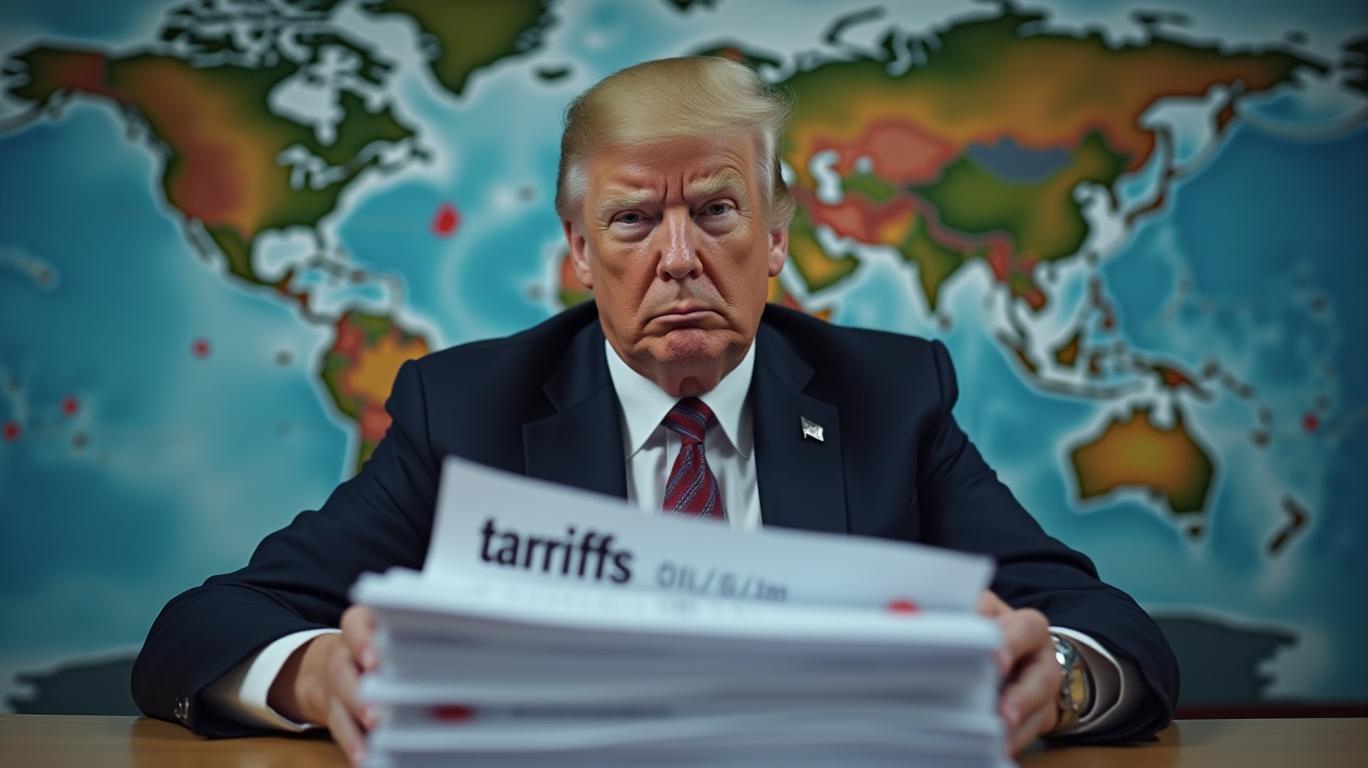
The U.S. has also considered imposing additional tariffs on Chinese-made electric vehicles, batteries, steel, and aluminum. Republican politicians have threatened to impose even higher tariffs on Chinese goods, which could further disrupt the oil market and have significant implications for investors in the energy sector. The prospect of added costs on products has big implications for businesses and consumers across the energy landscape, including at the gasoline pump. President-elect Donald Trump's pledge to slap new tariffs on goods from Canada, Mexico, and China could inflate the cost of producing and buying energy in almost all forms, possibly sending gasoline prices surging and the U.S. energy industry into a tailspin. The tariffs may also cause some Canadian producers to rethink their ties and investments with the U.S.
In conclusion, geopolitical tensions between the U.S. and China have significant implications for the oil market and investors in the energy sector. The U.S. has imposed high tariffs on Chinese goods, which has led to a decline in Chinese exports to the U.S. However, Chinese exports have started to rebound, reaching a new high in 2022. The U.S. restrictions on technology product imports from China have also affected Chinese exports, but they have started to recover as well. The close and intertwined supply chains between the U.S. and China make it difficult to decouple the two economies. The U.S. has made significant progress in curbing inflation over the past two years, but the decline in inflation in the U.S. has lagged behind that in the eurozone. The high tariffs on Chinese goods have reversed the effect of low-cost imports from China, which helped reduce inflation by 1.0-1.5 percentage points per year before the extra tariffs were imposed. The U.S. has also considered imposing additional tariffs on Chinese-made electric vehicles, batteries, steel, and aluminum. Republican politicians have threatened to impose even higher tariffs on Chinese goods, which could further disrupt the oil market and have significant implications for investors in the energy sector. The prospect of added costs on products has big implications for businesses and consumers across the energy landscape, including at the gasoline pump. President-elect Donald Trump's pledge to slap new tariffs on goods from Canada, Mexico, and China could inflate the cost of producing and buying energy in almost all forms, possibly sending gasoline prices surging and the U.S. energy industry into a tailspin. The tariffs may also cause some Canadian producers to rethink their ties and investments with the U.S.



Divulgación editorial y transparencia de la IA: Ainvest News utiliza tecnología avanzada de Modelos de Lenguaje Largo (LLM) para sintetizar y analizar datos de mercado en tiempo real. Para garantizar los más altos estándares de integridad, cada artículo se somete a un riguroso proceso de verificación con participación humana.
Mientras la IA asiste en el procesamiento de datos y la redacción inicial, un miembro editorial profesional de Ainvest revisa, verifica y aprueba de forma independiente todo el contenido para garantizar su precisión y cumplimiento con los estándares editoriales de Ainvest Fintech Inc. Esta supervisión humana está diseñada para mitigar las alucinaciones de la IA y garantizar el contexto financiero.
Advertencia sobre inversiones: Este contenido se proporciona únicamente con fines informativos y no constituye asesoramiento profesional de inversión, legal o financiero. Los mercados conllevan riesgos inherentes. Se recomienda a los usuarios que realicen una investigación independiente o consulten a un asesor financiero certificado antes de tomar cualquier decisión. Ainvest Fintech Inc. se exime de toda responsabilidad por las acciones tomadas con base en esta información. ¿Encontró un error? Reportar un problema




Comentarios
Aún no hay comentarios