
Oil's Rebound: A Technical Rally or a Turning Tide?
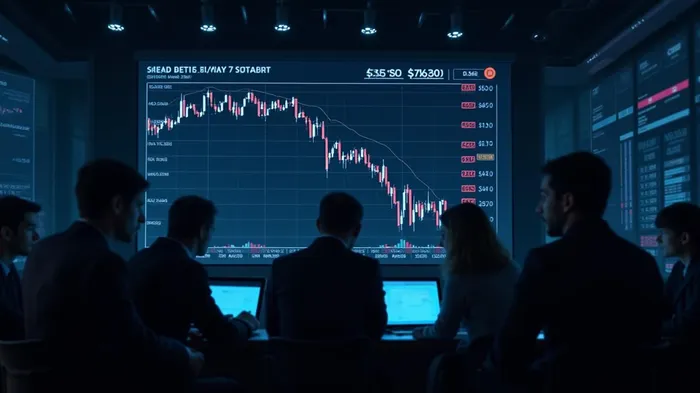
The June WTI crudeWTI-- oil contract surged $1.96 to settle at $59.09 per barrel on May 7, 2025, marking a sharp rebound from four-year lows. This reversal was driven by a mix of technical buying, geopolitical easing, and flickers of demand resilience—though lingering oversupply risks and trade tensions kept the rally fragile. The question for investors remains: Is this a sustainable shift, or merely a pause in oil’s downward spiral?
The OPEC+ Surprise—and Its Limits
The rally began with OPEC+, which defied expectations by raising production quotas by 411,000 barrels per day (bpd) in June, tripling initial estimates. The move initially spooked markets, as traders feared a flood of supply. But the reality was far less alarming: many OPEC+ members, including Iraq and Kazakhstan, were already exceeding their quotas. The hike effectively “legalized” overproduction rather than adding new volumes. As one analyst noted, “It’s not new oil—it’s just less illegal oil.”
This technicality allowed prices to recover, but the broader oversupply problem persists. The suggests a market still struggling to absorb current supply, even without new barrels.
Technical Buying and the $60 Floor
The rebound was also fueled by traders capitalizing on oversold conditions. Prices had slumped to $55.80 the prior day, near levels last seen in 2021. This triggered “buy-the-dip” strategies, with speculative long positions surging as traders eyed the $60 psychological floor.
Analysts like Ilia Bouchouev of Penthathlon Investments emphasized that prices below $60 risked forcing U.S. shale producers to cut output. “At $55–$60, the market is testing the pain threshold of U.S. producers,” he said. “Below $50, and you’ll see production curtailments—especially in an election year.”
Demand Signals: A Glimmer of Hope
Demand data provided a crucial tailwind. China’s post-Labour Day travel spending surged 8% year-on-year to $24.92 billion, boosting optimism for fuel demand. Meanwhile, U.S. API data showed crude inventories fell by 4.5 million barrels, and gasoline stocks dropped 2 million barrels—a sign of stronger summer demand.
Yet, these gains were tempered by broader headwinds. The IEA warned that U.S.-China tariffs are eroding industrial activity, and global distillate stocks remain elevated. The reflects this uncertainty, hovering near multi-year lows as the company grapples with weak refining margins.
Geopolitical Easing and Supply Risks
U.S. President Donald Trump’s announcement of halting airstrikes in Yemen—after claiming a “capitulation” by Houthi rebels—reduced fears of supply disruptions in the Red Sea. His “very positive” diplomatic overtures toward Iran also eased tensions, though a nuclear deal remains distant.
Meanwhile, U.S. shale production faces its own constraints. Diamondback Energy (FANG), a leading shale producer, warned that U.S. onshore output has peaked. Fracking crews have already dropped 15% year-to-date, with further cuts expected unless prices rebound. The underscores this shift, showing a 20% decline since early 2024.
The Bottom Line: A Fragile Rally
The $59.09 settlement reflects a technical bounce from oversold conditions and modest optimism about demand. Yet, the rally lacks a fundamental underpinning. OPEC+ compliance remains inconsistent, trade wars persist, and the U.S. dollar’s strength continues to weigh on dollar-denominated commodities.
Crucially, the market’s contango structure—where future contracts trade higher than spot prices—suggests lingering oversupply. Analysts caution that this rebound is “bargain hunting, not a reversal of the bearish trend.”
For investors, the $50–$60 range remains critical. A sustained breach below $55 could trigger forced production cuts, stabilizing prices—but only if geopolitical risks don’t escalate. Until then, oil’s rebound looks more like a tactical opportunity than a strategic shift.
In conclusion, while the May 7 rebound highlights oil’s resilience at key support levels, the broader fundamentals—weak demand growth, U.S.-China trade tensions, and OPEC+’s uneven compliance—suggest the rally is vulnerable. Investors would be wise to treat this as a short-term trading opportunity rather than a sign of durable strength. The oil market’s next move will hinge on whether supply curtailments outpace the drag of global trade conflicts.





Comentarios
Aún no hay comentarios