
Oil Prices Tumble as OPEC+ Plans Output Increase and U.S. Tariffs Weigh on Sentiment
Generado por agente de IATheodore Quinn
martes, 4 de marzo de 2025, 9:13 pm ET1 min de lectura
WTI--
Oil prices fell on Monday as the Organization of the Petroleum Exporting Countries (OPEC) and its allies (OPEC+) announced plans to raise output in April, while U.S. tariffs on Canada, Mexico, and China added to market uncertainty. The global benchmark, Brent crude, fell 1.8% to $70.35 a barrel, while U.S. West Texas Intermediate (WTI) crude dropped 1.6% to $67.27 a barrel.
OPEC+ members agreed to increase production by 138,000 barrels per day (bpd) in April, gradually phasing out the 2.2 million bpd cuts implemented in 2020. The decision to increase output comes as the market has been tightening due to strong demand and supply constraints, particularly in Europe. However, the OPEC+ move could lead to a surplus in the market, putting downward pressure on prices.
The U.S. tariffs on Canada, Mexico, and China, which came into effect on Tuesday, have also weighed on market sentiment. The tariffs, which target a wide range of goods, could disrupt supply chains and increase costs for consumers, potentially slowing economic growth and energy demand. China retaliated with tariffs on U.S. goods, while Canada is preparing to implement retaliatory tariffs as well.
The combination of OPEC+'s output increase and U.S. tariffs has created uncertainty in the global energy market, with potential consequences for oil prices and international relations. The increased costs and reduced trade resulting from tariffs could lead to disrupted supply chains and reduced energy demand, while the OPEC+ decision to raise output could exacerbate the surplus in the market.
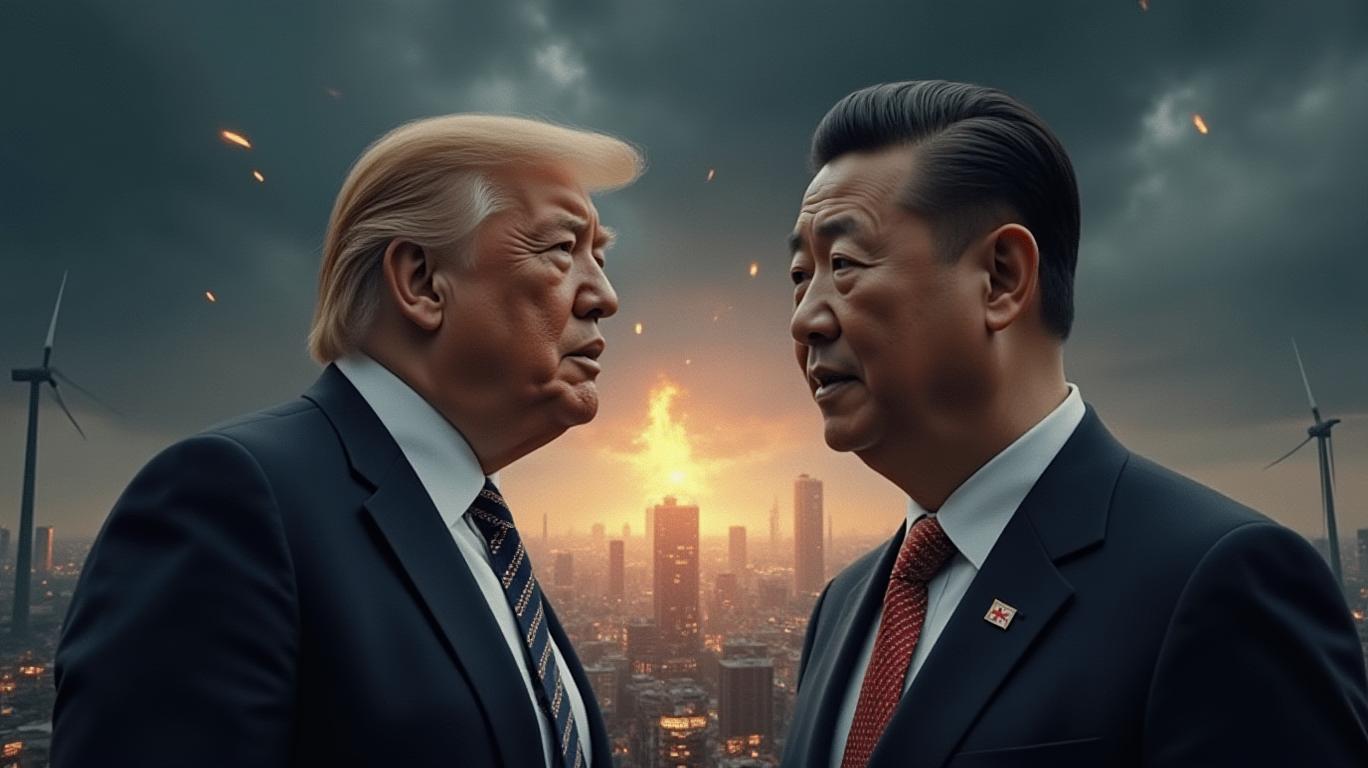
In conclusion, the OPEC+ decision to raise output in April and the U.S. tariffs on Canada, Mexico, and China have created uncertainty in the global energy market, with potential consequences for oil prices and international relations. The increased costs, disrupted supply chains, economic uncertainty, geopolitical tensions, and potential influence on OPEC+ decision-making could all contribute to a more volatile and uncertain energy market in the coming months. Investors should closely monitor these developments and their potential impact on oil prices and energy markets.
Oil prices fell on Monday as the Organization of the Petroleum Exporting Countries (OPEC) and its allies (OPEC+) announced plans to raise output in April, while U.S. tariffs on Canada, Mexico, and China added to market uncertainty. The global benchmark, Brent crude, fell 1.8% to $70.35 a barrel, while U.S. West Texas Intermediate (WTI) crude dropped 1.6% to $67.27 a barrel.
OPEC+ members agreed to increase production by 138,000 barrels per day (bpd) in April, gradually phasing out the 2.2 million bpd cuts implemented in 2020. The decision to increase output comes as the market has been tightening due to strong demand and supply constraints, particularly in Europe. However, the OPEC+ move could lead to a surplus in the market, putting downward pressure on prices.
The U.S. tariffs on Canada, Mexico, and China, which came into effect on Tuesday, have also weighed on market sentiment. The tariffs, which target a wide range of goods, could disrupt supply chains and increase costs for consumers, potentially slowing economic growth and energy demand. China retaliated with tariffs on U.S. goods, while Canada is preparing to implement retaliatory tariffs as well.
The combination of OPEC+'s output increase and U.S. tariffs has created uncertainty in the global energy market, with potential consequences for oil prices and international relations. The increased costs and reduced trade resulting from tariffs could lead to disrupted supply chains and reduced energy demand, while the OPEC+ decision to raise output could exacerbate the surplus in the market.
In conclusion, the OPEC+ decision to raise output in April and the U.S. tariffs on Canada, Mexico, and China have created uncertainty in the global energy market, with potential consequences for oil prices and international relations. The increased costs, disrupted supply chains, economic uncertainty, geopolitical tensions, and potential influence on OPEC+ decision-making could all contribute to a more volatile and uncertain energy market in the coming months. Investors should closely monitor these developments and their potential impact on oil prices and energy markets.

Divulgación editorial y transparencia de la IA: Ainvest News utiliza tecnología avanzada de Modelos de Lenguaje Largo (LLM) para sintetizar y analizar datos de mercado en tiempo real. Para garantizar los más altos estándares de integridad, cada artículo se somete a un riguroso proceso de verificación con participación humana.
Mientras la IA asiste en el procesamiento de datos y la redacción inicial, un miembro editorial profesional de Ainvest revisa, verifica y aprueba de forma independiente todo el contenido para garantizar su precisión y cumplimiento con los estándares editoriales de Ainvest Fintech Inc. Esta supervisión humana está diseñada para mitigar las alucinaciones de la IA y garantizar el contexto financiero.
Advertencia sobre inversiones: Este contenido se proporciona únicamente con fines informativos y no constituye asesoramiento profesional de inversión, legal o financiero. Los mercados conllevan riesgos inherentes. Se recomienda a los usuarios que realicen una investigación independiente o consulten a un asesor financiero certificado antes de tomar cualquier decisión. Ainvest Fintech Inc. se exime de toda responsabilidad por las acciones tomadas con base en esta información. ¿Encontró un error? Reportar un problema


SOBRE NOSOTROS
Nuestra historiaAutores de noticiasBase de conocimientosPolítica de privacidadTérmino de usoDescargo de responsabilidad de corretaje de tercerosTérminos de uso de AIMEDivulgaciones de riesgos de AInvest AICarrerasCONTÁCTENOS
Email: support@ainvest.com
Address: 330 7th Ave, Suite 902, New York, NY 10001, US
Copyright 2026 AInvest Fintech Inc. All rights reserved.


Comentarios
Aún no hay comentarios