
Oil Prices Rise Amid US Tariff Threat, But Still Set for Weekly Loss
Generado por agente de IACyrus Cole
jueves, 30 de enero de 2025, 9:31 pm ET1 min de lectura
Oil prices have been on a rollercoaster ride in recent weeks, with geopolitical tensions and US tariff threats adding to the volatility. Despite a recent uptick, oil prices are still set for a weekly loss, as market participants grapple with the potential impacts of these developments.

The US administration's threat to impose tariffs on Canadian and Mexican crude imports has created uncertainty in the global oil market. The potential disruption in supply chains and increased costs could put upward pressure on oil prices in the short term. However, the long-term impact remains uncertain, as other factors such as global demand and supply dynamics may also play a significant role.
Winter storms in the US have also contributed to the recent price fluctuations. The severe weather conditions have led to reduced demand for oil, as people use less heating oil and gasoline for transportation. This decrease in demand has resulted in a build-up of crude oil stockpiles, putting downward pressure on oil prices. Additionally, disruptions in supply chains due to winter storms can lead to temporary shortages or delays in delivery, causing prices to fluctuate.
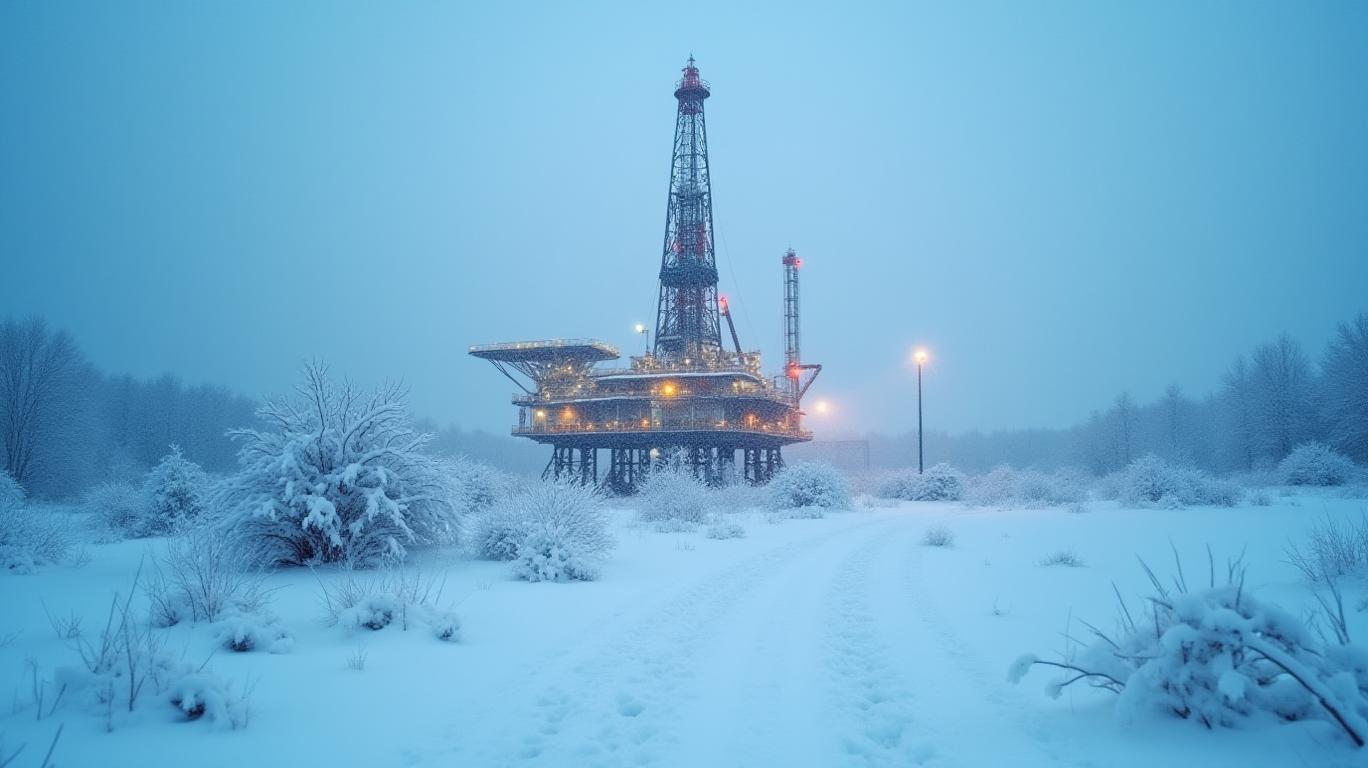
OPEC+ countries have been closely monitoring the market and adjusting their production levels in response to changing demand and supply dynamics. In December 2022, OPEC+ agreed to a production cut of 2 million barrels per day (bpd) to stabilize the market and offset the impact of geopolitical tensions and US tariff threats (Reuters, 2022). This decision, along with the group's commitment to the OPEC+ Declaration of Cooperation, has helped to maintain market stability and prevent excessive price volatility.
In conclusion, oil prices have been volatile in recent weeks, with geopolitical tensions, US tariff threats, and winter storms all contributing to the market dynamics. While oil prices have risen amid the US tariff threat, they are still set for a weekly loss. OPEC+ countries have been playing a crucial role in managing oil prices and maintaining market stability. However, the effectiveness of their response may depend on the actions of other major oil producers and the overall demand and supply dynamics in the global oil market.
References:
Reuters. (2022). OPEC+ agrees to cut oil output by 2 million bpd to support prices. Retrieved from
Bloomberg. (2021). Texas Oil and Gas Production Disrupted by Winter Storms. Retrieved from



Divulgación editorial y transparencia de la IA: Ainvest News utiliza tecnología avanzada de Modelos de Lenguaje Largo (LLM) para sintetizar y analizar datos de mercado en tiempo real. Para garantizar los más altos estándares de integridad, cada artículo se somete a un riguroso proceso de verificación con participación humana.
Mientras la IA asiste en el procesamiento de datos y la redacción inicial, un miembro editorial profesional de Ainvest revisa, verifica y aprueba de forma independiente todo el contenido para garantizar su precisión y cumplimiento con los estándares editoriales de Ainvest Fintech Inc. Esta supervisión humana está diseñada para mitigar las alucinaciones de la IA y garantizar el contexto financiero.
Advertencia sobre inversiones: Este contenido se proporciona únicamente con fines informativos y no constituye asesoramiento profesional de inversión, legal o financiero. Los mercados conllevan riesgos inherentes. Se recomienda a los usuarios que realicen una investigación independiente o consulten a un asesor financiero certificado antes de tomar cualquier decisión. Ainvest Fintech Inc. se exime de toda responsabilidad por las acciones tomadas con base en esta información. ¿Encontró un error? Reportar un problema


SOBRE NOSOTROS
Nuestra historiaAutores de noticiasBase de conocimientosPolítica de privacidadTérmino de usoDescargo de responsabilidad de corretaje de tercerosTérminos de uso de AIMEDivulgaciones de riesgos de AInvest AICarrerasCONTÁCTENOS
Email: support@ainvest.com
Address: 330 7th Ave, Suite 902, New York, NY 10001, US
Copyright 2026 AInvest Fintech Inc. All rights reserved.


Comentarios
Aún no hay comentarios