
Oil Prices Gain as U.S. Sanctions on Iran Raise Supply Concerns
Generado por agente de IACyrus Cole
lunes, 24 de febrero de 2025, 9:42 pm ET1 min de lectura
GAP--
Oil prices have been on an upward trajectory for the past two days, driven by concerns over potential supply disruptions following the U.S. sanctions on Iran's oil industry. The sanctions, announced on January 10, 2025, target key players in Iran's oil sector, including brokers, tanker operators, and shipping companies involved in selling and transporting Iranian petroleum. This move is expected to have both short-term and long-term impacts on global oil supply and demand dynamics.
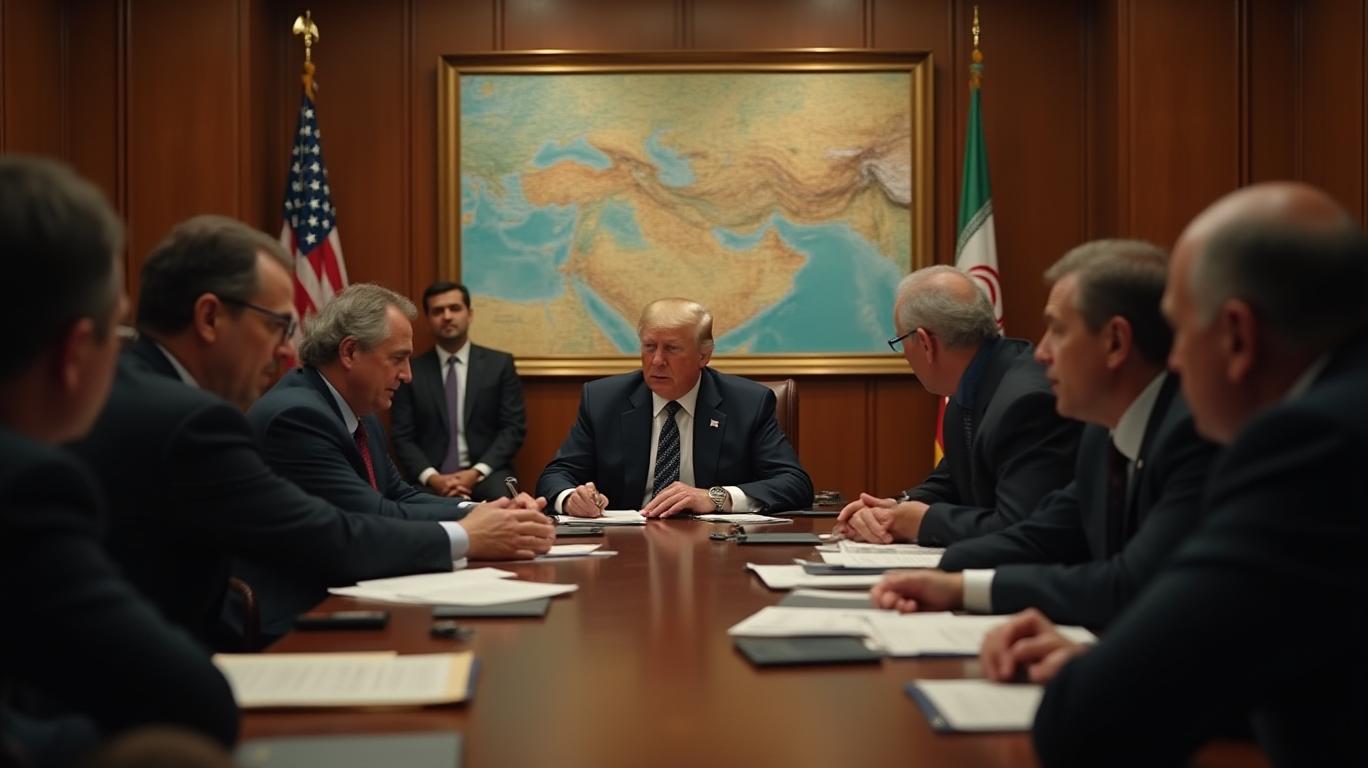
In the short term, the sanctions could lead to a modest reduction in Iran's crude oil exports, as companies and countries avoid dealing with Iran to avoid U.S. penalties. This reduction in supply, coupled with strong demand from major importers like China and India, has put upward pressure on oil prices. Brent crude futures, the international benchmark, have risen by more than $2 per barrel since the announcement of the sanctions, reaching a recent high of $74.78 per barrel.
However, the long-term impacts of the sanctions are more uncertain. While the sanctions could lead to a sustained reduction in Iran's oil exports, Iran may also retaliate against the sanctions, potentially disrupting oil supply from the Middle East. Additionally, the shift in trade patterns and increased geopolitical risks could have long-term implications for global oil supply chains and market dynamics.
The strategic positioning of other major oil producers, such as Saudi Arabia and Russia, could also be influenced by these sanctions. Saudi Arabia, as a key member of OPEC+, has been working with Russia and other producers to manage global oil supply and maintain prices within a certain range. However, the kingdom has stated that it will not increase production to fill the gap left by Iranian exports, maintaining its commitment to OPEC+ production cuts. Russia, on the other hand, may benefit from the sanctions by increasing its market share and revenues, but it remains committed to its OPEC+ production cuts as well.
In conclusion, the U.S. sanctions on Iran's oil industry have raised concerns over potential supply disruptions, driving oil prices higher in the short term. However, the long-term impacts of these sanctions on global oil supply and demand dynamics, as well as the strategic positioning of other major oil producers, remain uncertain. As the situation unfolds, investors and market participants should closely monitor developments in the global oil market to make informed decisions.
Oil prices have been on an upward trajectory for the past two days, driven by concerns over potential supply disruptions following the U.S. sanctions on Iran's oil industry. The sanctions, announced on January 10, 2025, target key players in Iran's oil sector, including brokers, tanker operators, and shipping companies involved in selling and transporting Iranian petroleum. This move is expected to have both short-term and long-term impacts on global oil supply and demand dynamics.
In the short term, the sanctions could lead to a modest reduction in Iran's crude oil exports, as companies and countries avoid dealing with Iran to avoid U.S. penalties. This reduction in supply, coupled with strong demand from major importers like China and India, has put upward pressure on oil prices. Brent crude futures, the international benchmark, have risen by more than $2 per barrel since the announcement of the sanctions, reaching a recent high of $74.78 per barrel.
However, the long-term impacts of the sanctions are more uncertain. While the sanctions could lead to a sustained reduction in Iran's oil exports, Iran may also retaliate against the sanctions, potentially disrupting oil supply from the Middle East. Additionally, the shift in trade patterns and increased geopolitical risks could have long-term implications for global oil supply chains and market dynamics.
The strategic positioning of other major oil producers, such as Saudi Arabia and Russia, could also be influenced by these sanctions. Saudi Arabia, as a key member of OPEC+, has been working with Russia and other producers to manage global oil supply and maintain prices within a certain range. However, the kingdom has stated that it will not increase production to fill the gap left by Iranian exports, maintaining its commitment to OPEC+ production cuts. Russia, on the other hand, may benefit from the sanctions by increasing its market share and revenues, but it remains committed to its OPEC+ production cuts as well.
In conclusion, the U.S. sanctions on Iran's oil industry have raised concerns over potential supply disruptions, driving oil prices higher in the short term. However, the long-term impacts of these sanctions on global oil supply and demand dynamics, as well as the strategic positioning of other major oil producers, remain uncertain. As the situation unfolds, investors and market participants should closely monitor developments in the global oil market to make informed decisions.

Divulgación editorial y transparencia de la IA: Ainvest News utiliza tecnología avanzada de Modelos de Lenguaje Largo (LLM) para sintetizar y analizar datos de mercado en tiempo real. Para garantizar los más altos estándares de integridad, cada artículo se somete a un riguroso proceso de verificación con participación humana.
Mientras la IA asiste en el procesamiento de datos y la redacción inicial, un miembro editorial profesional de Ainvest revisa, verifica y aprueba de forma independiente todo el contenido para garantizar su precisión y cumplimiento con los estándares editoriales de Ainvest Fintech Inc. Esta supervisión humana está diseñada para mitigar las alucinaciones de la IA y garantizar el contexto financiero.
Advertencia sobre inversiones: Este contenido se proporciona únicamente con fines informativos y no constituye asesoramiento profesional de inversión, legal o financiero. Los mercados conllevan riesgos inherentes. Se recomienda a los usuarios que realicen una investigación independiente o consulten a un asesor financiero certificado antes de tomar cualquier decisión. Ainvest Fintech Inc. se exime de toda responsabilidad por las acciones tomadas con base en esta información. ¿Encontró un error? Reportar un problema




Comentarios
Aún no hay comentarios