
Oil Nudges Up: Ukraine War, China Demand Drive Rebound
Generado por agente de IAWesley Park
martes, 19 de noviembre de 2024, 8:54 pm ET1 min de lectura
KB--
Oil prices have been on a rollercoaster ride in recent months, with geopolitical tensions and shifting demand dynamics driving market volatility. As the Russia-Ukraine conflict escalates and signs of improving Chinese demand emerge, oil prices have nudged up, offering investors a glimmer of hope amidst uncertainty.
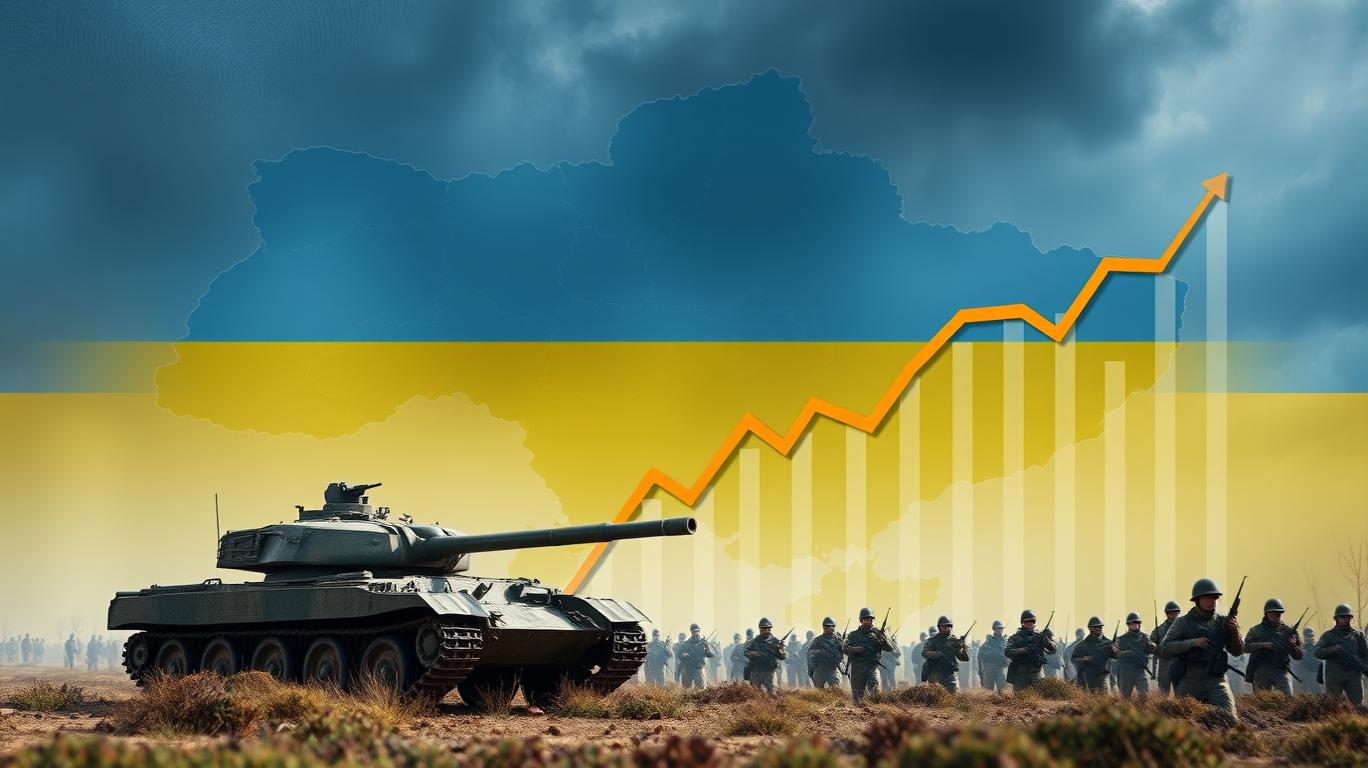
The Russia-Ukraine conflict has been a significant driver of oil price volatility. Russia's role as a major energy supplier, accounting for 12% of global oil production in 2019, has exacerbated the impact on global energy markets. The EU's decision to embargo most Russian oil imports, effective by the end of 2024, has further tightened the market. Meanwhile, signs of improving Chinese demand, with oil consumption growing by 270 kb/d y-o-y in 3Q24, support a recovery in global oil demand.
The IEA forecasts world oil demand to expand by 920 kb/d in 2024 and just shy of 1 mb/d in 2025, reflecting the end of the post-pandemic release of pent-up demand and below-par global economic conditions. While China's demand growth is expected to average just a tenth of the 1.4 mb/d increase in 2023, the country remains a crucial driver of global oil consumption, accounting for around 20% of global gains both this year and next.
OPEC+ production cuts have also played a significant role in the recent price trend. The alliance, which accounts for around 40% of global oil supply, agreed to delay the unwinding of extra voluntary production cuts until January 2025. This decision, combined with the potential impact of the Iran nuclear deal on global oil supply, has tightened the market and supported prices. The Iran nuclear deal, if revived, could bring additional Iranian oil back into the market, potentially offsetting OPEC+ cuts. However, the deal's future remains uncertain, adding another layer of volatility to the oil market.
As the situation in Ukraine and the Iran nuclear deal evolve, investors should monitor these developments closely to assess their impact on oil prices. A sustainable recovery in oil prices depends on several key indicators, including global oil supply, OPEC+ spare production capacity, global oil demand growth, and global oil inventories. As these indicators evolve, oil prices may continue to stabilize or face further volatility.
In conclusion, the recent rebound in oil prices, driven by escalating geopolitical tensions in the Ukraine war and signs of improving demand from China, offers investors a glimmer of hope amidst uncertainty. However, a sustainable recovery depends on the evolution of key indicators and the resolution of geopolitical tensions. Investors should closely monitor these developments and maintain a balanced portfolio, combining growth and value stocks, to navigate the volatile energy market.
The Russia-Ukraine conflict has been a significant driver of oil price volatility. Russia's role as a major energy supplier, accounting for 12% of global oil production in 2019, has exacerbated the impact on global energy markets. The EU's decision to embargo most Russian oil imports, effective by the end of 2024, has further tightened the market. Meanwhile, signs of improving Chinese demand, with oil consumption growing by 270 kb/d y-o-y in 3Q24, support a recovery in global oil demand.
The IEA forecasts world oil demand to expand by 920 kb/d in 2024 and just shy of 1 mb/d in 2025, reflecting the end of the post-pandemic release of pent-up demand and below-par global economic conditions. While China's demand growth is expected to average just a tenth of the 1.4 mb/d increase in 2023, the country remains a crucial driver of global oil consumption, accounting for around 20% of global gains both this year and next.
OPEC+ production cuts have also played a significant role in the recent price trend. The alliance, which accounts for around 40% of global oil supply, agreed to delay the unwinding of extra voluntary production cuts until January 2025. This decision, combined with the potential impact of the Iran nuclear deal on global oil supply, has tightened the market and supported prices. The Iran nuclear deal, if revived, could bring additional Iranian oil back into the market, potentially offsetting OPEC+ cuts. However, the deal's future remains uncertain, adding another layer of volatility to the oil market.
As the situation in Ukraine and the Iran nuclear deal evolve, investors should monitor these developments closely to assess their impact on oil prices. A sustainable recovery in oil prices depends on several key indicators, including global oil supply, OPEC+ spare production capacity, global oil demand growth, and global oil inventories. As these indicators evolve, oil prices may continue to stabilize or face further volatility.
In conclusion, the recent rebound in oil prices, driven by escalating geopolitical tensions in the Ukraine war and signs of improving demand from China, offers investors a glimmer of hope amidst uncertainty. However, a sustainable recovery depends on the evolution of key indicators and the resolution of geopolitical tensions. Investors should closely monitor these developments and maintain a balanced portfolio, combining growth and value stocks, to navigate the volatile energy market.

Divulgación editorial y transparencia de la IA: Ainvest News utiliza tecnología avanzada de Modelos de Lenguaje Largo (LLM) para sintetizar y analizar datos de mercado en tiempo real. Para garantizar los más altos estándares de integridad, cada artículo se somete a un riguroso proceso de verificación con participación humana.
Mientras la IA asiste en el procesamiento de datos y la redacción inicial, un miembro editorial profesional de Ainvest revisa, verifica y aprueba de forma independiente todo el contenido para garantizar su precisión y cumplimiento con los estándares editoriales de Ainvest Fintech Inc. Esta supervisión humana está diseñada para mitigar las alucinaciones de la IA y garantizar el contexto financiero.
Advertencia sobre inversiones: Este contenido se proporciona únicamente con fines informativos y no constituye asesoramiento profesional de inversión, legal o financiero. Los mercados conllevan riesgos inherentes. Se recomienda a los usuarios que realicen una investigación independiente o consulten a un asesor financiero certificado antes de tomar cualquier decisión. Ainvest Fintech Inc. se exime de toda responsabilidad por las acciones tomadas con base en esta información. ¿Encontró un error? Reportar un problema


SOBRE NOSOTROS
Nuestra historiaAutores de noticiasBase de conocimientosPolítica de privacidadTérmino de usoDescargo de responsabilidad de corretaje de tercerosTérminos de uso de AIMEDivulgaciones de riesgos de AInvest AICarrerasCONTÁCTENOS
Email: support@ainvest.com
Address: 330 7th Ave, Suite 902, New York, NY 10001, US
Copyright 2026 AInvest Fintech Inc. All rights reserved.


Comentarios
Aún no hay comentarios