
Oil at Four-Month High Amid New Sanctions on Russia
Generado por agente de IACyrus Cole
lunes, 13 de enero de 2025, 3:05 am ET2 min de lectura
Oil prices have surged to a four-month high, reaching $80 per barrel, as new sanctions on Russia's energy sector take effect. The sanctions, imposed by the U.S. and its allies, target major Russian oil producers, vessels, and energy officials, aiming to cut off funding for Russia's war against Ukraine. This article explores the impact of these sanctions on global oil prices and the potential benefits for certain countries and companies.
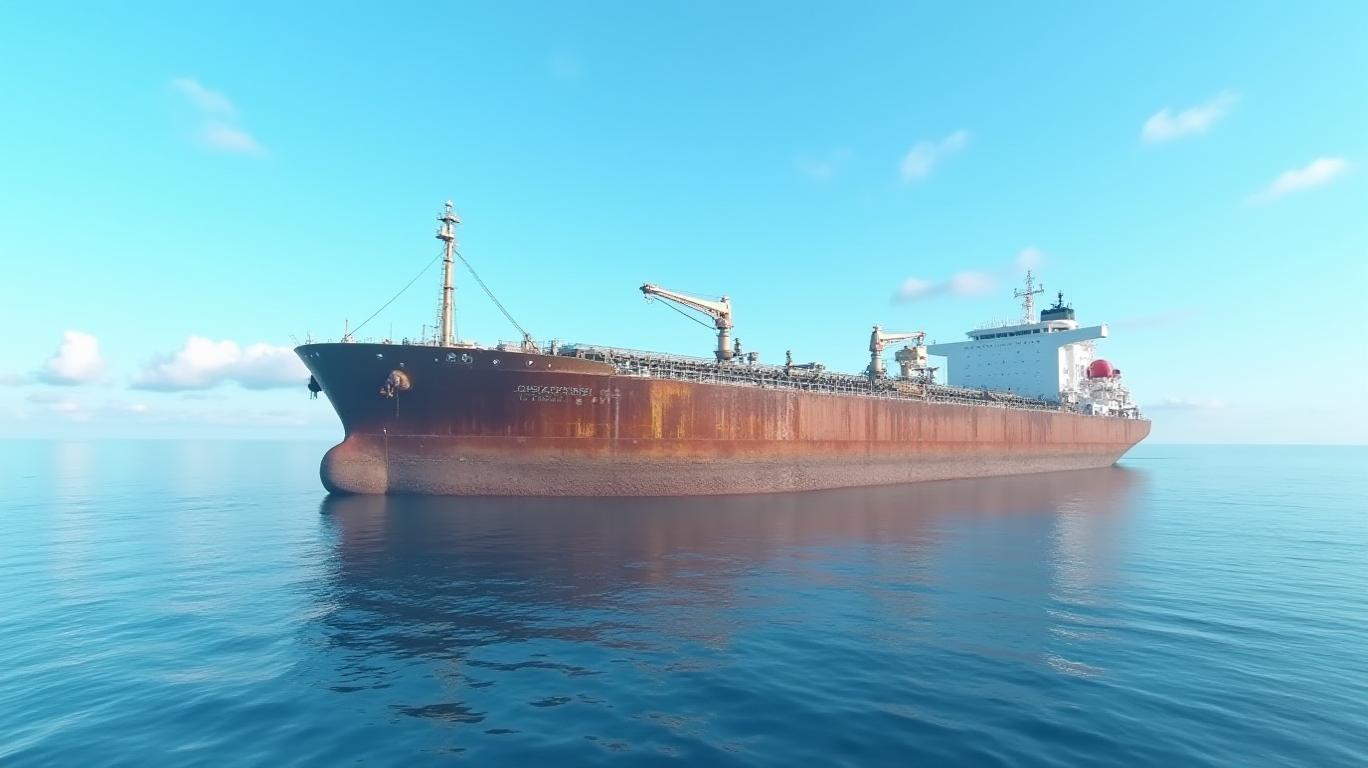
The new sanctions are expected to have a significant short-term impact on global oil prices. Russia's seaborne exports of crude oil fell by 35% during the first weeks after the EU embargo and G7 price cap entered into force on 5 December 2022. This decline in supply is likely to put upward pressure on global oil prices, as demand remains relatively strong. However, the long-term impact is more uncertain, as Russia may redirect its oil exports to non-sanctioning countries, and other oil-producing countries could increase their production to offset the impact.
The countries and companies most likely to benefit from the redirection of Russian oil exports are Asian countries, such as China and India, which have seen an increase in their share of Russian oil exports. Additionally, Middle Eastern oil-producing countries, along with Australia, Canada, Mexico, and Southeast Asia, are expected to experience economic benefits from the global energy market's "crowding-out effect." Oil traders and companies involved in the transportation and sale of Russian oil supplies, including the "shadow fleet" of vessels, are also likely to benefit from the redirection of exports.
However, the "shadow fleet" of vessels may face challenges in adapting to the new sanctions. The sanctions target 183 vessels, largely oil tankers that are part of the shadow fleet, increasing the risks associated with the Russian oil trade. The shadow fleet may attempt to circumvent the sanctions, leading to increased complexity, uncertainty, and inefficiency in Russia's oil exports. This could result in higher costs for Russia and potentially lower revenues from oil exports.
For investors, the potential risks associated with the new sanctions include increased volatility in oil prices, reputation risk, and legal and regulatory risks. Investing in companies or vessels that are subject to sanctions could damage an investor's reputation and expose them to legal and regulatory risks, including the possibility of being subject to secondary sanctions or other penalties.
In conclusion, the new sanctions on Russia's energy sector are expected to have a significant short-term impact on global oil prices, with potential long-term implications depending on Russia's ability to adapt and the response of other oil-producing countries. Asian countries, Middle Eastern oil-producing countries, and oil traders and companies are likely to benefit from the redirection of Russian oil exports. However, investors should be aware of the potential risks associated with the new sanctions, including increased volatility in oil prices and legal and regulatory risks.



Divulgación editorial y transparencia de la IA: Ainvest News utiliza tecnología avanzada de Modelos de Lenguaje Largo (LLM) para sintetizar y analizar datos de mercado en tiempo real. Para garantizar los más altos estándares de integridad, cada artículo se somete a un riguroso proceso de verificación con participación humana.
Mientras la IA asiste en el procesamiento de datos y la redacción inicial, un miembro editorial profesional de Ainvest revisa, verifica y aprueba de forma independiente todo el contenido para garantizar su precisión y cumplimiento con los estándares editoriales de Ainvest Fintech Inc. Esta supervisión humana está diseñada para mitigar las alucinaciones de la IA y garantizar el contexto financiero.
Advertencia sobre inversiones: Este contenido se proporciona únicamente con fines informativos y no constituye asesoramiento profesional de inversión, legal o financiero. Los mercados conllevan riesgos inherentes. Se recomienda a los usuarios que realicen una investigación independiente o consulten a un asesor financiero certificado antes de tomar cualquier decisión. Ainvest Fintech Inc. se exime de toda responsabilidad por las acciones tomadas con base en esta información. ¿Encontró un error? Reportar un problema


SOBRE NOSOTROS
Nuestra historiaAutores de noticiasBase de conocimientosPolítica de privacidadTérmino de usoDescargo de responsabilidad de corretaje de tercerosTérminos de uso de AIMEDivulgaciones de riesgos de AInvest AICarrerasCONTÁCTENOS
Email: support@ainvest.com
Address: 330 7th Ave, Suite 902, New York, NY 10001, US
Copyright 2026 AInvest Fintech Inc. All rights reserved.


Comentarios
Aún no hay comentarios